

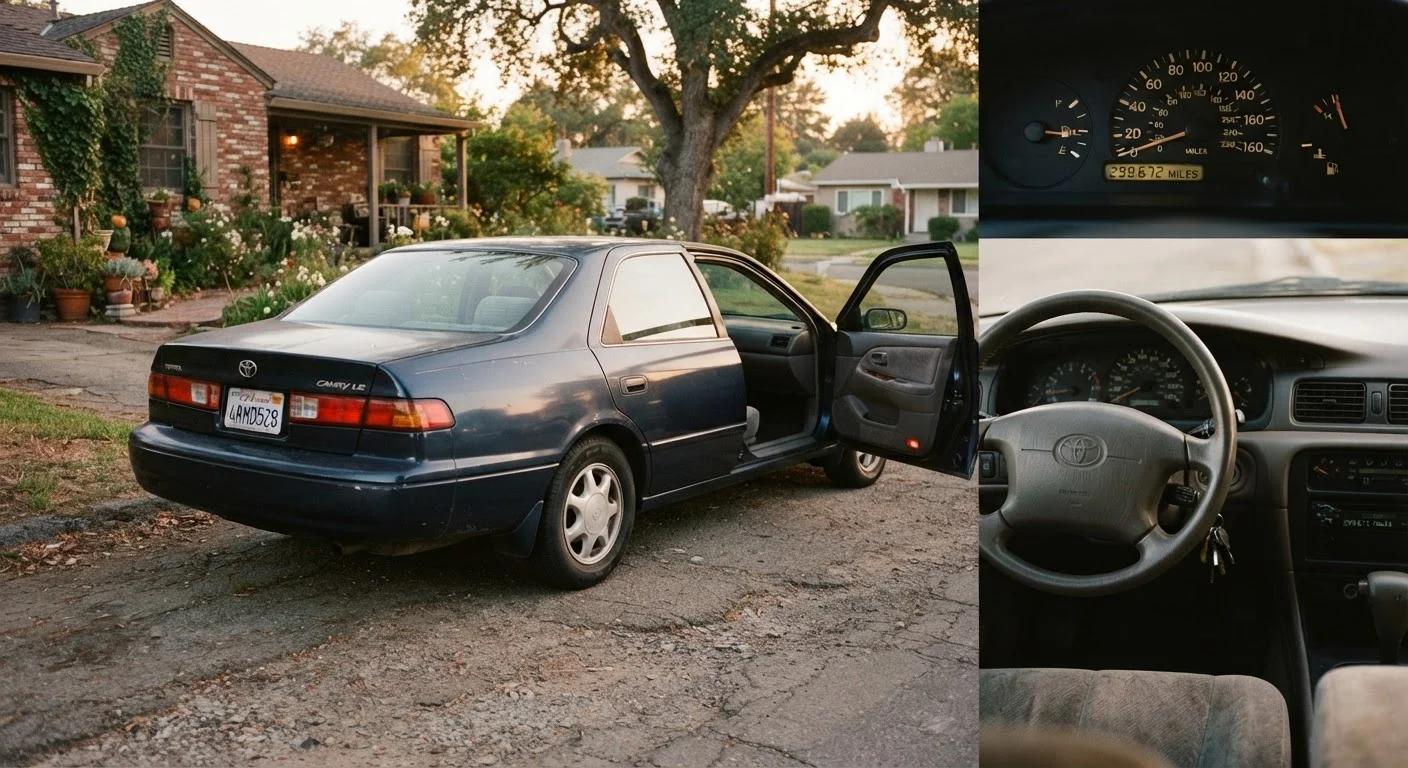
Why Long-Term Ownership Is a Real Strategy
Buying a new car every few years isn't the only path - or even the most cost-effective one for many drivers. Plenty of vehicles are mechanically capable of reaching 200,000 miles or more. What separates the ones that get there from the ones that don't usually comes down to how they're treated, not luck or brand prestige.
For everyday consumers, keeping a paid-off vehicle running well can mean avoiding a car payment while still maintaining reliable transportation. The key is understanding that long-term ownership comes with its own set of financial trade-offs and responsibilities. Our guide on the upkeep trade-offs of owning an older, high-mileage car covers what becomes more demanding as the miles add up - and what stays manageable.
The Practices That Make High-Mileage Ownership Work
Drivers who routinely keep vehicles well past 150,000 miles tend to share a set of consistent habits. These aren't complicated, but they do require follow-through.
Follow your vehicle's manufacturer maintenance schedule without exception.
The maintenance schedule in your owner's manual is engineered specifically for your vehicle - not a generic guess. Skipping intervals allows wear to compound quietly, often causing failures that could have been avoided. Consistent adherence is the foundation every other good habit builds on.
Address warning lights and unusual noises before the next scheduled service.
Small problems rarely stay small. A minor coolant leak or faint grinding sound will typically worsen with continued driving, often damaging adjacent components along the way. Early diagnosis almost always results in a lower repair bill.
Keep a complete, written record of every service and repair.
Service records let mechanics trace patterns, avoid redundant work, and catch gaps in maintenance history. They also protect resale value if you eventually sell the vehicle - a documented history is a concrete signal of care that buyers and dealers recognize.
Adopt driving habits that reduce mechanical stress.
Aggressive acceleration, hard braking, and high-speed cornering all accelerate component wear - on brakes, tires, transmission, and suspension. Smooth, anticipatory driving extends the life of these parts noticeably over time.
Inspect tires regularly and rotate them on schedule.
Tires are your vehicle's only contact with the road. Uneven wear from skipped rotations shortens tire life and can mask alignment or suspension issues. Proper inflation also affects fuel economy and handling. Ignored tire rotations are one of the maintenance habits that quietly wear down otherwise sound vehicles.
Quick Actions You Can Take Today
If you're committed to keeping your current vehicle longer, a few immediate steps can set you on the right path.
Build a Relationship With One Mechanic
Having a single trusted mechanic - or shop - who knows your vehicle's history pays off over time. They're better positioned to notice patterns, catch recurring issues, and give you honest guidance on whether a repair is urgent or can wait. It's worth asking around for recommendations from neighbors or colleagues rather than defaulting to the nearest option every time.
The Financial Reality of Going Long
High-mileage ownership only makes sense financially if you're honest about the math. A repair bill that feels large often looks different when compared to several months of car payments on a replacement vehicle. The general principle: as long as annual repair costs stay well below what you'd pay in depreciation and financing on a newer car, keeping the vehicle tends to come out ahead.
~12 years
Average age of vehicles on U.S. roads
S&P Global Mobility data has consistently shown the average age of light vehicles in operation in the United States exceeding 12 years, reflecting broader trends toward longer ownership.
200,000+
Miles many modern vehicles are capable of reaching
Automotive engineers and long-term reliability data suggest many contemporary vehicles are mechanically capable of exceeding 200,000 miles with proper, consistent maintenance.
That said, some repairs - like a failed transmission or a cracked engine block - can shift that calculation. Knowing when to invest in a repair and when to walk away is part of long-term ownership. Consider whether an extended warranty could help manage risk on a vehicle approaching high mileage, keeping in mind the trade-offs involved.
For a broader look at keeping any vehicle reliable over time, see long-term car care principles - it covers record-keeping, routine servicing, and early fault detection in one place.
The content on this site is for informational purposes only and is not a substitute for professional advice. Always consult a qualified professional for guidance specific to your situation.