

What Sleep Hygiene Actually Means
The term sleep hygiene refers to a set of behavioral and environmental practices that support consistent, restorative sleep. The concept emerged from behavioral sleep medicine and is grounded in research showing that sleep quality is shaped not just by what happens when you lie down, but by choices made throughout the entire day.
Sleep hygiene is general health information - not a substitute for medical evaluation. If you're experiencing persistent insomnia, excessive daytime sleepiness, or symptoms that disrupt daily functioning, a qualified healthcare professional is the right resource. That said, for most people, small, consistent habit changes can meaningfully improve how well they rest. Understanding how sleep and mental health are interconnected can also help frame why these habits matter beyond just feeling tired.
Evidence-Based Practices That Support Better Sleep
Research from sleep science consistently points to a core set of behaviors that help regulate the body's internal clock, reduce physiological arousal, and support sleep onset. These aren't guarantees - individual responses vary - but they represent the strongest evidence available.
Keep a consistent sleep and wake time every day, including weekends.
Your body's circadian rhythm - the internal clock regulating sleep-wake cycles - is highly sensitive to timing consistency. Irregular schedules create a form of chronic social jetlag that fragments sleep and increases daytime fatigue. Even a 30-minute shift on weekends can meaningfully disrupt the rhythm built during the week.
Limit exposure to bright, blue-spectrum light in the 60-90 minutes before bed.
Blue-wavelength light, emitted by phones, tablets, and overhead LEDs, suppresses melatonin production - the hormone that signals readiness for sleep. Evening light exposure delays sleep onset and can reduce overall sleep duration even when total time in bed remains the same.
Reserve your bed primarily for sleep, not work, entertainment, or prolonged wakefulness.
Stimulus control - a technique from Cognitive Behavioral Therapy for Insomnia (CBT-I) - teaches the brain to associate the bed with sleep rather than alertness. Using the bed for work emails or watching shows trains the nervous system to stay aroused in that environment.
Avoid caffeine consumption within six hours of your intended bedtime.
Caffeine has a half-life of roughly five to six hours in most adults, meaning a 3 p.m. coffee still has significant stimulant activity at 9 p.m. It blocks adenosine receptors - the chemical signal that builds sleep pressure throughout the day - without eliminating the underlying fatigue.
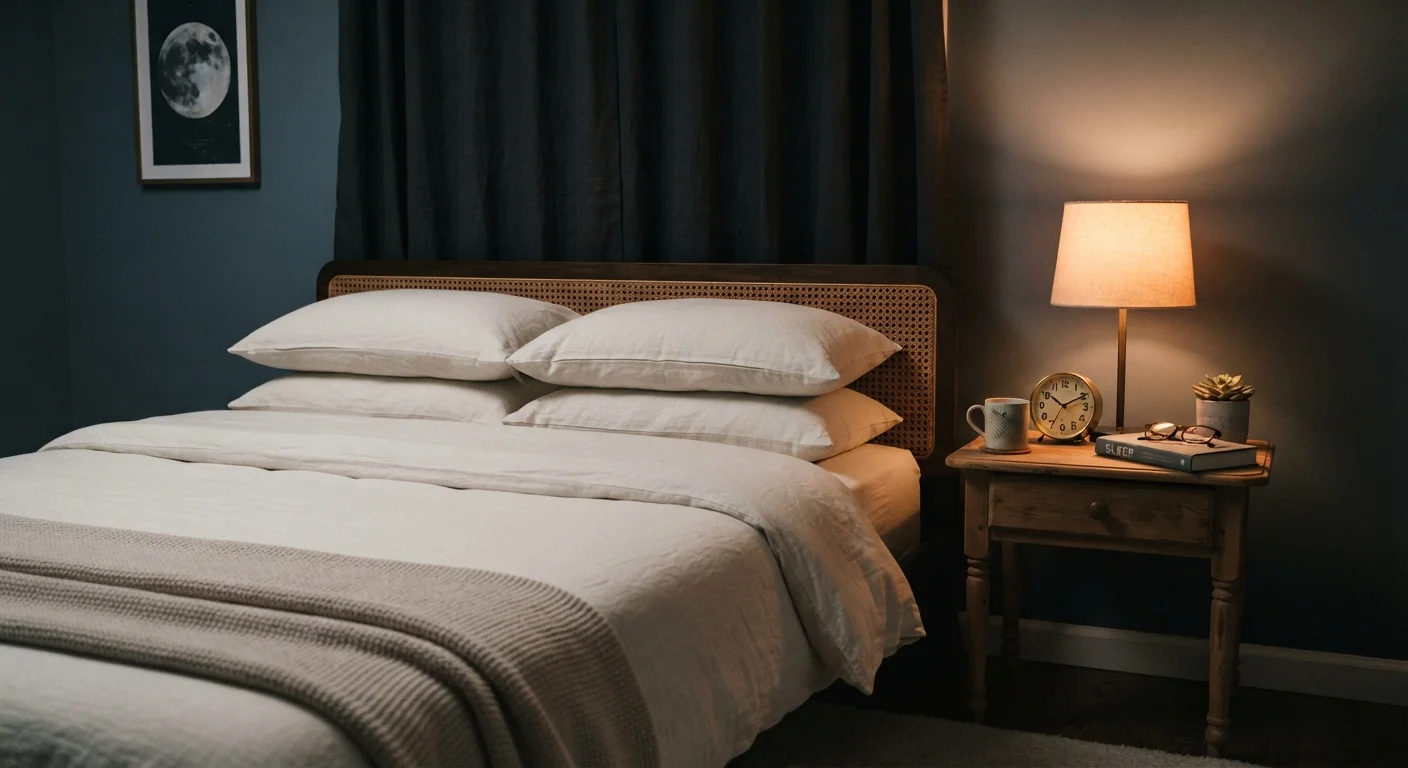
Keep your sleep environment cool, dark, and quiet.
Core body temperature naturally drops during sleep initiation. A cooler room - typically in the 65-68°F range for many adults - supports this process. Darkness preserves melatonin signaling, while reducing noise minimizes micro-arousals that fragment sleep stages without full waking.
CBT-I Is the Gold Standard for Insomnia
Cognitive Behavioral Therapy for Insomnia (CBT-I) is considered the first-line treatment for chronic insomnia by major sleep medicine organizations - not medication. It includes structured sleep restriction, stimulus control, and cognitive techniques. If sleep hygiene adjustments alone aren't resolving persistent difficulties, ask a healthcare provider about CBT-I or digital CBT-I programs.
Quick Wins You Can Start Tonight
Not every improvement requires a complete lifestyle overhaul. Several changes can produce noticeable effects relatively quickly, particularly if current habits are significantly disrupting sleep architecture.
If you want to go deeper, building a structured wind-down routine is one of the most effective ways to signal to your brain that sleep is coming - and there's solid science behind why it works.
What the Evidence Doesn't Fully Support
Some widely repeated sleep tips lack the research base to match their popularity. Melatonin supplements, for instance, have modest evidence for specific uses like jet lag or shift work, but are often used in doses far exceeding what studies suggest is effective. Drinking herbal teas or using white noise machines may help some individuals, but effects are inconsistent across studies and may be partly attributable to placebo response.
Supplement Use and Sleep: A Nuanced Picture
Over-the-counter sleep supplements like melatonin are widely used but frequently misunderstood. Research supports low-dose melatonin for circadian timing issues such as jet lag, but evidence for its effectiveness as a general sleep aid is weaker than marketing often implies. Dosages in many commercial products significantly exceed amounts studied in clinical trials. Always discuss supplement use with a healthcare provider, particularly if you take other medications or have underlying health conditions.
The most durable improvements come from behavioral consistency rather than any single product or technique. For a broader look at how rest supports emotional resilience alongside other daily habits, sustainable habits for long-term emotional resilience offers a complementary framework.
This article is for informational purposes only and does not constitute medical advice. Please consult a qualified healthcare professional for concerns about your sleep or health.
The content on this site is for informational purposes only and is not a substitute for professional advice. Always consult a qualified professional for guidance specific to your situation.