

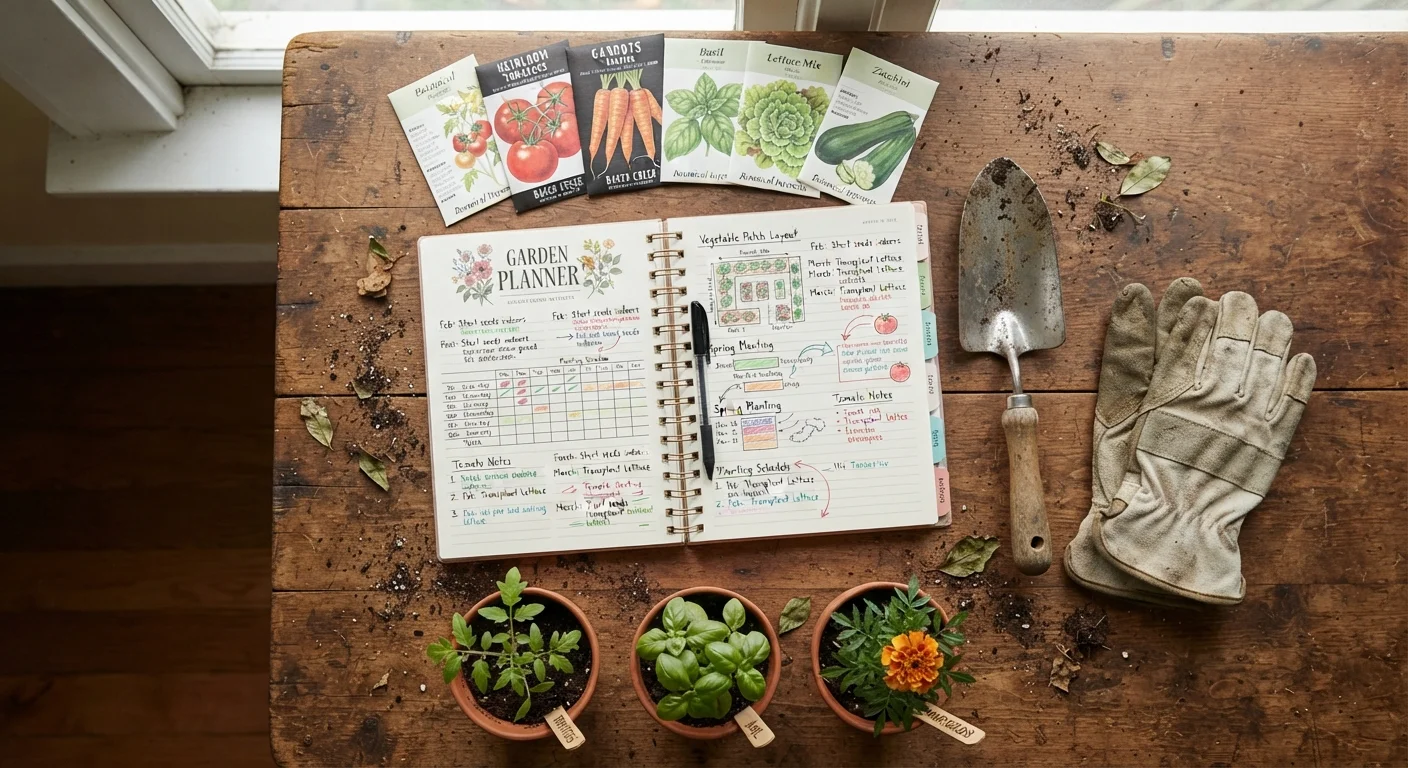
Why a Seasonal Calendar Makes Gardening Easier
Gardening rarely rewards guesswork. Planting too early, pruning at the wrong time, or skipping a soil amendment can set a yard back by weeks - or an entire season. A seasonal calendar removes much of that uncertainty by anchoring tasks to natural cycles rather than to memory alone.
This reference covers the core tasks for each season across lawn care, planting beds, edibles, and trees and shrubs. Because climate varies significantly across the US, treat timing as a general framework and adjust based on your USDA Hardiness Zone and local frost dates. For a broader view of keeping your property in shape, see our seasonal home maintenance guide.
| USDA Hardiness Zones | Zones 1-13 across the continental US (USDA Plant Hardiness Zone Map) |
| Average last frost range | Late January (Zone 9+) to late May (Zone 3-4) (National Gardening Association) |
| Ideal soil pH for most vegetables | 6.0-7.0 (University Extension general guidance) |
| Recommended lawn watering depth | 1 inch per week during growing season (EPA WaterSense program) |
| Compost maturation time | 2-6 months depending on materials and turning frequency |
| Optimal mulch depth | 2-3 inches around beds and trees |
Spring: Restart and Refresh
Spring gardening begins before the last frost, not after it. Late winter to early spring is the time to assess, prepare, and plan so you're ready to act the moment soil conditions allow.
- Soil testing: Check pH and nutrient levels before adding any amendments. Most cooperative extension offices offer low-cost testing kits.
- Bed preparation: Clear winter debris, turn compost into beds, and top-dress with a thin layer of well-aged compost.
- Lawn care: Rake out dead thatch, overseed bare patches, and apply a balanced slow-release fertilizer once soil temps consistently reach 55°F.
- Pruning: Prune summer-flowering shrubs before new growth emerges. Hold off on spring bloomers - they flower on last year's wood.
- Seed starting: Start warm-season vegetables (tomatoes, peppers, squash) indoors 6-8 weeks before your last frost date.
Use our spring garden readiness checklist to work through these tasks systematically before the growing season accelerates.
Hardiness Zone
A geographic area defined by average annual minimum winter temperatures, used to determine which plants are likely to survive outdoors year-round. The USDA publishes a widely used zone map for the US.
Deadheading
The practice of removing spent or faded flowers from a plant to encourage continued blooming and prevent seed set. It redirects the plant's energy into new flower production.
Thatch
A layer of dead and living grass stems, roots, and debris that accumulates between the soil surface and the green grass blades. Excessive thatch (over ½ inch) can block water and air movement.
Overseeding
The process of spreading grass seed over an existing lawn without fully tilling or removing the turf. Used to thicken thin areas or introduce improved grass varieties.
Aeration
A lawn care practice that involves perforating the soil with small holes to reduce compaction, improve water infiltration, and allow nutrients and air to reach grass roots.
Bare-root planting
Planting trees, shrubs, or perennials sold without soil around their roots, typically while dormant. Bare-root plants often establish well when planted in early spring or fall.
Summer: Maintain, Protect, and Harvest
Summer is about sustaining momentum. Growth is fast, pests are active, and heat stress can undo weeks of careful preparation if irrigation and mulching aren't managed well.
- Watering: Water deeply and infrequently - roughly 1 inch per week - to encourage deep root growth. Early morning watering reduces evaporation and fungal risk.
- Mulching: Maintain a 2-3 inch layer of organic mulch around beds and trees to retain moisture and suppress weeds. Keep mulch away from plant stems.
- Pest and disease monitoring: Check plants weekly, particularly the undersides of leaves. Address problems early before populations establish.
- Deadheading and harvesting: Remove spent flowers to prolong blooming. Harvest edibles promptly - leaving overripe produce on the plant signals it to stop producing.
- Lawn mowing: Raise mower height to 3-4 inches in heat to reduce moisture loss and shade out weed seeds.
30%
Outdoor water use wasted through inefficiency
According to the EPA, roughly 30% of residential outdoor water use is lost to evaporation, runoff, or overwatering.
2-3 inches
Mulch depth that meaningfully reduces soil moisture loss
University extension research consistently cites a 2-3 inch mulch layer as effective for moisture retention and weed suppression.
6-8 weeks
Indoor seed starting lead time before last frost
Most warm-season vegetables need 6-8 weeks of indoor growth before being safely transplanted after the last expected frost.
Autumn and Winter: Wind Down and Prepare
Fall is one of the most productive gardening seasons. Cooler soil temperatures and reliable rainfall make it ideal for planting perennials, sowing cool-season crops, and building long-term soil health.
- Planting: Set out spring bulbs (tulips, daffodils, alliums) once soil temps drop below 60°F. Plant bare-root trees and shrubs in early fall for strong root establishment before freeze.
- Lawn renovation: Aerate and overseed cool-season lawns (fescue, bluegrass, ryegrass) in early fall - their prime growing window.
- Composting: Add fallen leaves to the compost pile or use a mulching mower to return leaf matter directly to the lawn.
- Perennial care: Leave seed heads and hollow stems through winter where possible - they provide overwintering habitat for beneficial insects.
- Tool and equipment maintenance: Clean, sharpen, and oil tools before storage. Drain irrigation lines before freezing temperatures arrive.
Winter in most US climates is a planning season. Order seed catalogues, sketch bed layouts, and review what worked. You can also browse our pre-season readiness guide to frame spring priorities well in advance.
Adjust Timing for Your Local Climate
The tasks in this calendar reflect general US patterns, but actual timing depends on your region, USDA zone, and local microclimates. A gardener in Atlanta and one in Minneapolis will rarely be doing the same thing in the same month. Check with your local cooperative extension service for zone-specific planting calendars and frost date data - it's one of the most reliable free resources available to home gardeners.
The content on this site is for informational purposes only and is not a substitute for professional advice. Always consult a qualified professional for guidance specific to your situation.