

Why Soil Compaction Is the Real Problem
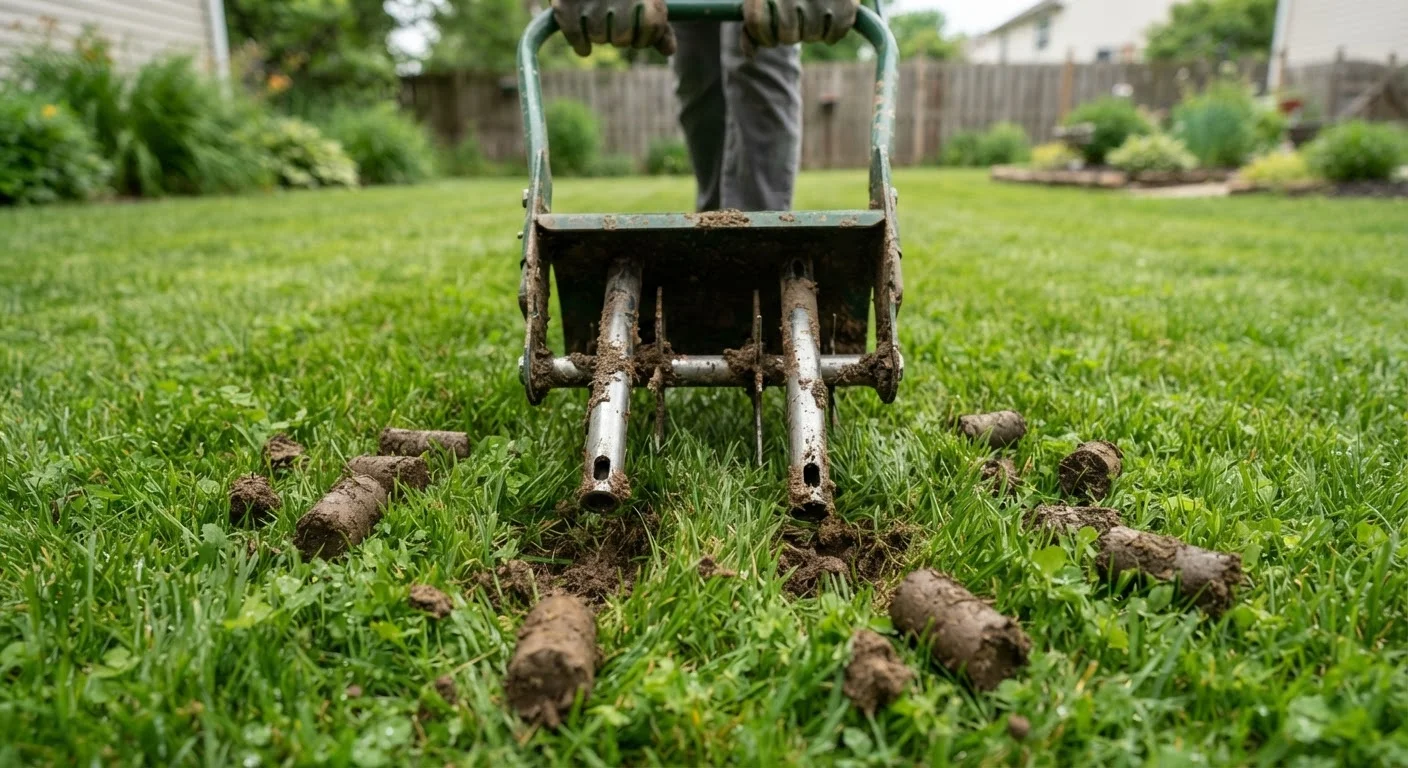
Before understanding what aeration does, it helps to understand what makes it necessary. Soil compaction occurs when soil particles are pressed together so tightly that the spaces between them - where air and water normally travel - collapse. The result is a dense layer that grass roots struggle to penetrate and that sheds water rather than absorbing it.
Compaction develops gradually from foot traffic, mowing, and even rainfall pounding bare soil. Clay-heavy soils compact more readily than sandy or loamy soils. Lawns that double as play areas or parking overflow zones are especially vulnerable. Over time, compacted soil produces a lawn that looks perpetually stressed: thin, patchy, prone to runoff, and slow to recover from drought or heat.
For a broader look at the factors that affect lawn health from the ground up, see what goes into starting and sustaining a healthy lawn.
~50%
Of urban lawn soils are significantly compacted
Soil scientists note that soils in residential and urban settings are frequently compacted due to construction activity, vehicle traffic, and repeated foot use.
2-3 inches
Typical depth of core aeration plugs
Standard core aerator tines pull plugs approximately 0.5 inches wide and 2-3 inches deep, targeting the primary root zone of most turfgrass species.
1-2 weeks
Time for soil plugs to break down after aeration
Pulled soil cores left on the lawn surface naturally decompose through rain and mowing activity, returning organic material and soil microbes to the surface.
What Aeration Actually Does to the Soil
Core aeration physically removes small cylinders of soil - typically about half an inch wide and two to three inches deep - at regular intervals across the lawn. Each removed plug leaves behind an open channel. These channels do several things at once:
- Allow air exchange: Grass roots, like all living tissue, need oxygen. Compacted soil limits gas movement, starving roots of the oxygen they need while letting carbon dioxide accumulate.
- Improve water infiltration: Instead of running off the surface, water can now move into the soil and reach deeper root zones. This pairs directly with better watering practices - common lawn watering mistakes become less damaging when soil can actually absorb moisture.
- Encourage deeper root growth: With open pathways available, roots naturally grow downward rather than staying shallow. Deeper roots make grass more drought-tolerant and resilient overall.
- Improve fertilizer and amendment uptake: Nutrients applied to a compacted lawn often sit on the surface or wash away. Aeration channels give them a direct route to the root zone.
Aerate When the Soil Is Moist, Not Saturated
Aerating bone-dry soil makes the work much harder and the tines won't penetrate as deeply. Equally, aerating waterlogged soil can smear and further compact soil pores rather than opening them. Aim to aerate one to two days after rainfall or irrigation, when the soil is damp but not muddy.
How to Tell Whether Your Lawn Actually Needs It
Aeration is often promoted as a universal annual task, but that oversimplifies things. Before scheduling or renting equipment, do a quick assessment:
- The screwdriver test: Push a standard screwdriver into moist soil. If it meets significant resistance before reaching six inches, compaction is likely a real issue.
- Check for thatch buildup: Pull up a small section of turf and look at the layer between the grass blades and the soil surface. A thatch layer thicker than about half an inch can restrict water and air movement in the same way compaction does - and aeration helps break it down.
- Watch how water behaves: If your lawn puddles or runs off quickly after moderate rain or irrigation, that's a strong signal that water isn't infiltrating as it should.
- Look at the grass itself: Thin, sparse areas that don't respond to watering or fertilizing may indicate root-level problems tied to compaction.
If your lawn is growing well, absorbs water readily, and hasn't seen heavy use, it likely doesn't need aeration this season.
Timing, Technique, and What to Do Afterward
Timing aeration correctly matters almost as much as doing it at all. The goal is to aerate when grass is in its active growing phase so it can recover quickly and fill in the open channels.
- Cool-season grasses (Kentucky bluegrass, fescue, ryegrass): aerate in late summer to early fall, typically August through October depending on your climate zone.
- Warm-season grasses (Bermuda, zoysia, St. Augustine): aerate in late spring through early summer when growth is vigorous.
Avoid aerating during drought stress or extreme heat, when the lawn is dormant, or during peak weed germination periods - open soil channels can give weeds a foothold.
After aerating, the soil plugs left on the surface can be left to break down naturally - this typically takes one to two weeks. It's an ideal time to overseed thin areas, as seeds fall directly into the aeration holes and make good soil contact. Following up with a light fertilizer application helps the lawn take full advantage of the improved root-zone access. For more on building the full seasonal routine, a complete guide to growing lawn grass covers feeding, mowing, and long-term maintenance together.
“Compaction is one of the most underestimated stresses a lawn faces. When you relieve it at the right time of year, the response from the turf can be striking - roots go deeper, color improves, and the lawn becomes genuinely more resilient.”
— Turfgrass Extension Specialist, University Cooperative Extension Program, Midwest Region
Frequently Asked Questions
Most lawns benefit from aeration once a year, but heavily used or clay-heavy lawns may need it twice. Sandy soils or lawns with little foot traffic may only need aeration every two to three years. Assess your lawn's actual condition rather than following a fixed calendar schedule.
Leave them in place. The plugs break down within a week or two and return organic matter and microbes to the lawn surface. Raking them up removes those benefits, so resist the urge to tidy them away immediately.
No - aerating too soon after seeding disturbs germinating grass and can pull up young seedlings. Wait until new grass has gone through at least one full growing season before aerating.
Aerating before fertilizing is generally more effective. The channels created by aeration allow fertilizer to move more directly into the root zone rather than sitting on a compacted surface. Overseeding right after aeration, then fertilizing, is a particularly productive sequence.
Yes, core aerators are widely available at equipment rental centers. For an average suburban lawn, a half-day rental is usually sufficient. The machines are relatively straightforward to operate, though they are heavy and require careful handling around sprinkler heads and buried utilities.
The content on this site is for informational purposes only and is not a substitute for professional advice. Always consult a qualified professional for guidance specific to your situation.