

Why Deposit Recovery Starts Before Your Last Day
Most renters think about their security deposit only when they're packing boxes - but the groundwork for getting it back was laid the day they moved in. The single most valuable thing you can do is compare your unit's current condition against the move-in inspection report or photos you took when you first arrived.
If you didn't document the unit at move-in, do it now. Walk every room, photograph every wall, floor, fixture, and appliance. Timestamped photos stored in cloud storage create a clear, credible record. This documentation is your primary defense if a landlord later attributes pre-existing damage to you.
Understanding what landlords can and cannot legally deduct also matters. Security deposit deduction rules vary by state, but the overarching principle is consistent: landlords may charge for actual damages beyond normal wear and tear, not for routine upkeep that comes with any tenancy.
What Counts as Normal Wear and Tear?
Normal wear and tear refers to the gradual, expected deterioration of a unit from ordinary use - think minor carpet wear in high-traffic areas, small nail holes from hanging pictures, or faded paint after several years. Landlords generally cannot charge for these. However, large stains, deep scratches, broken fixtures, or damage from pets or neglect typically fall outside this category. When in doubt, check your state's tenant protection statutes or consult a local tenant advocacy organization.
Best Practices for a Clean, Documented Exit
Following a structured approach - rather than rushing through move-out day - is what separates renters who get full refunds from those who don't.
Request and complete a joint move-out walkthrough with your landlord
A walkthrough conducted together - before you hand over the keys - allows any concerns to be raised and addressed in real time. It also prevents the landlord from discovering issues after you've left and billing you without the chance to respond or remedy them.
Clean the unit to the same standard it was in when you moved in
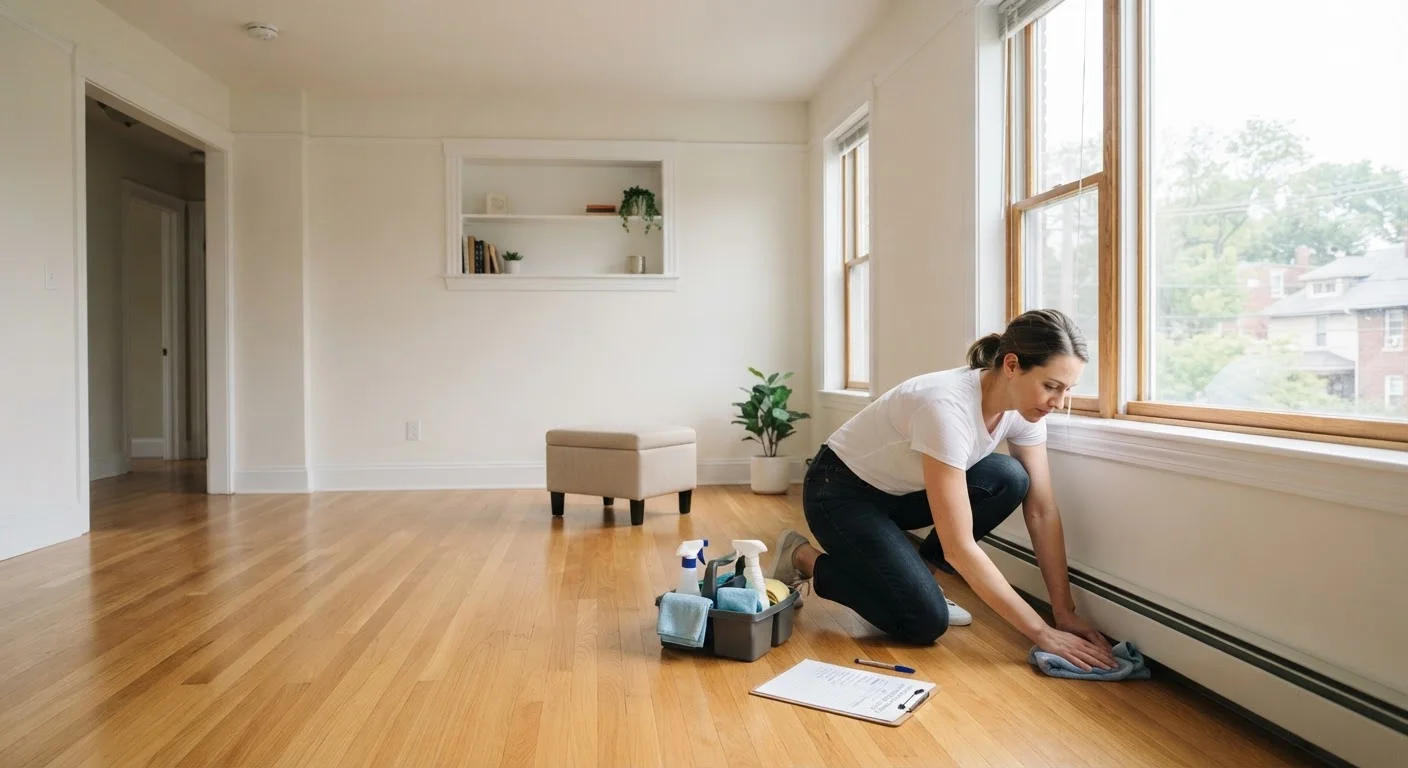
Cleaning costs are among the most common deposit deductions - and among the most avoidable. Most leases require the unit to be returned in move-in condition, minus normal wear. Professional-level cleaning of appliances, bathrooms, and floors is often enough to satisfy this standard.
Repair minor damage you caused before your move-out date
Small repairs - filling nail holes, touching up paint scuffs, replacing a broken outlet cover - typically cost far less when you handle them than when a landlord hires a contractor and charges you. Addressing them proactively also signals good faith.
Document everything in writing throughout the move-out process
Verbal agreements about the condition of the unit or promised repairs are difficult to enforce. Written communication - texts, emails, or formal letters - creates a dated record of what was said, agreed upon, or disputed. This paper trail is critical if you later need to contest deductions.
Return all keys, fobs, and access devices on or before the final day
Failing to return all access items can trigger a holdover charge or a lock replacement fee that comes directly out of your deposit. Confirm in writing exactly which items must be returned and when.
Quick Actions You Can Take Right Now
Whether your move-out is weeks away or imminent, there are steps you can take today to put yourself in a stronger position.
If you're in an unusual situation - such as needing to leave before your lease ends - the stakes around your deposit become even higher. See our overview of breaking a lease early to understand how that affects your financial exposure.
“Tenants who keep written records throughout their tenancy - not just at the end - are in a significantly stronger position when deposit disputes arise.”
— National Housing Law Project, Nonprofit organization focused on tenant rights and housing law
After You Hand Over the Keys
Once you've returned the keys, the clock starts on your landlord's legal obligation to return your deposit - or provide an itemized written statement of deductions. This window varies by state, typically ranging from 14 to 45 days. Mark the deadline on your calendar.
If deductions are made that you believe are unjustified, respond in writing promptly. Reference your move-out photos, your joint walkthrough notes, and any relevant clauses in your lease. Most small claims courts accept security deposit disputes, and the documentation you've gathered throughout this process becomes your evidence.
Getting your deposit back in full is realistic when you treat the process methodically. The effort you invest in the weeks before move-out is almost always worth more than what you'd spend correcting avoidable oversights after the fact.
This article is for general informational purposes only and does not constitute legal or financial advice. Tenant and landlord rights vary significantly by state and locality. Consult a qualified attorney or local tenant advocacy organization for guidance specific to your situation.
The content on this site is for informational purposes only and is not a substitute for professional advice. Always consult a qualified professional for guidance specific to your situation.