

Filing a Claim Isn't Always the Right Move
Most drivers assume that having auto insurance means filing a claim after any incident. In practice, that's not always the wisest financial decision. If the repair cost is close to - or less than - your deductible, you may end up paying out of pocket either way, while a filed claim could still affect your premium at renewal.
Before calling your insurer, do a quick mental calculation. Get a rough repair estimate if possible, compare it against your deductible, and consider your claims history. A second claim within a few years can have a meaningful impact on your rate. Learn which factors shape your premium so you can weigh the trade-off clearly.
This doesn't mean avoiding legitimate claims - it means being an informed participant in the process rather than reacting on autopilot.
What to Do at the Scene Before You Call Anyone
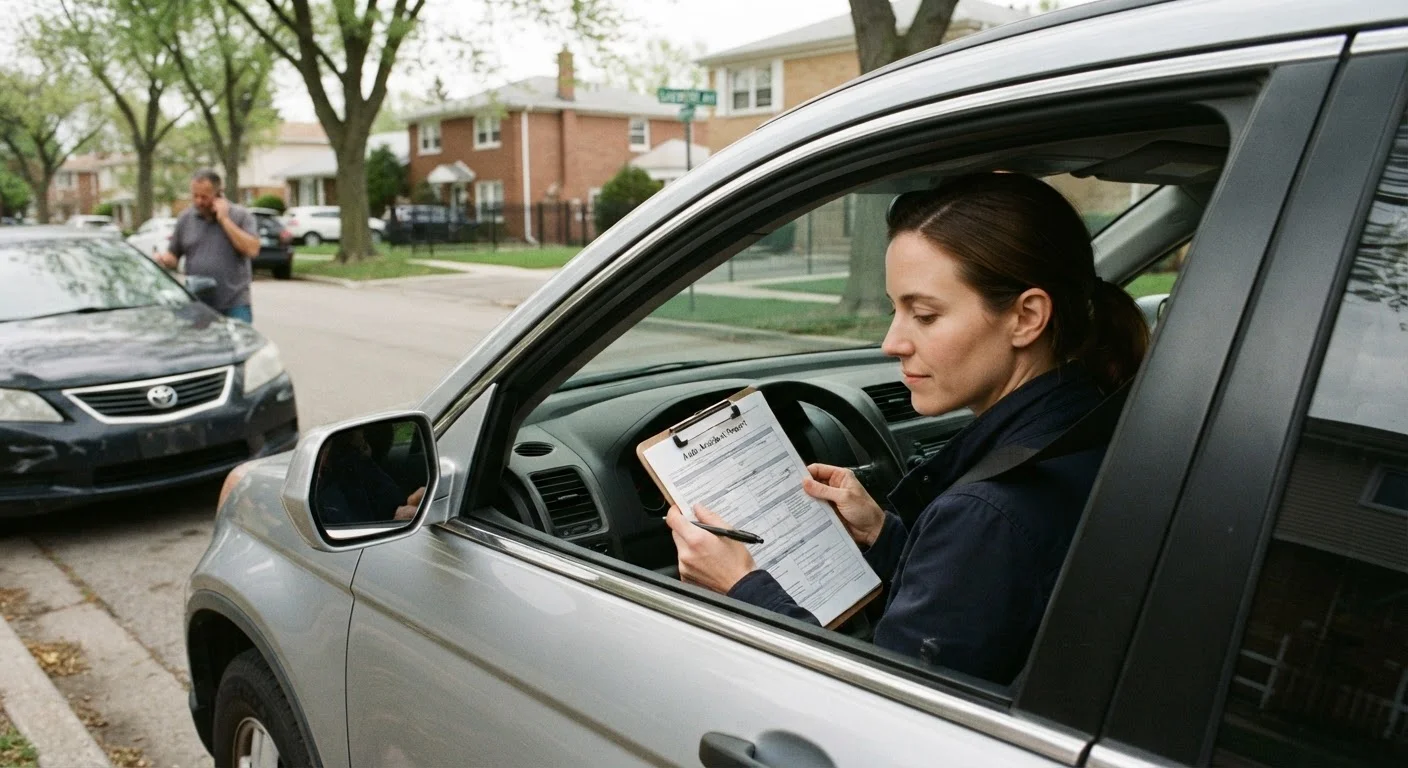
The information you gather in the first minutes after an incident has an outsized effect on how your claim is handled. Insurers rely heavily on contemporaneous documentation - photos, notes, and witness statements collected while details are fresh.
At minimum, photograph all vehicles involved from multiple angles, capture road conditions, and get the other driver's insurance information, license plate, and contact details. If there are witnesses, ask for their names and phone numbers. Even if police aren't called, note the time, location, and what happened in your own words as soon as possible.
If you're unsure what your policy actually covers, now is a good time to review it. Understanding each coverage type helps you know which part of your policy applies to the specific incident.
The Claims Process: What to Expect Step by Step
Once you decide to file, contact your insurer as soon as reasonably possible. Most policies require prompt notification - specific timeframes vary by insurer and state, but waiting too long can give the company grounds to dispute or deny coverage.
After you report the incident, an adjuster will be assigned to evaluate the damage and determine what the insurer will pay. You have the right to get your own independent repair estimate; you are not obligated to use a shop the insurer recommends, though some policies offer streamlined processing if you do. Ask your adjuster to walk you through the settlement offer before you accept it.
If you disagree with the payout, most insurers have a formal dispute or appraisal process. Understanding how the claims and payout system works before you need it makes navigating disagreements far less stressful.
Mistakes That Complicate Claims - and How to Avoid Them
A few common missteps can slow down a claim or reduce what you receive. Admitting fault at the scene - even casually - can be used against you later; let the investigation determine liability. Giving a recorded statement to the other driver's insurer without understanding your rights is another area where drivers sometimes disadvantage themselves unintentionally.
Delaying repairs after an insurer approves them can also create complications if the damage worsens. And overlooking rental coverage or roadside assistance benefits that are already part of your policy is a surprisingly frequent miss. Clearing up common insurance misconceptions can help you avoid assumptions that cost real money.
This article is for general informational purposes only. Insurance terms, coverage requirements, and claims procedures vary by state, insurer, and individual policy. Consult your policy documents and a licensed insurance professional for guidance specific to your situation.
The content on this site is for informational purposes only and is not a substitute for professional advice. Always consult a qualified professional for guidance specific to your situation.