

Why Insurance Myths Are Expensive
Auto insurance is one of the largest recurring costs of vehicle ownership, yet most drivers shop for it with surprisingly little accurate information. Persistent myths lead people to buy too little coverage, skip discounts they qualify for, or make claims that end up costing them more than the damage itself. The misconceptions below are among the most widespread - and the most financially consequential.
For a broader look at how ownership costs catch drivers off guard, see our guide to car ownership cost myths.
Myth
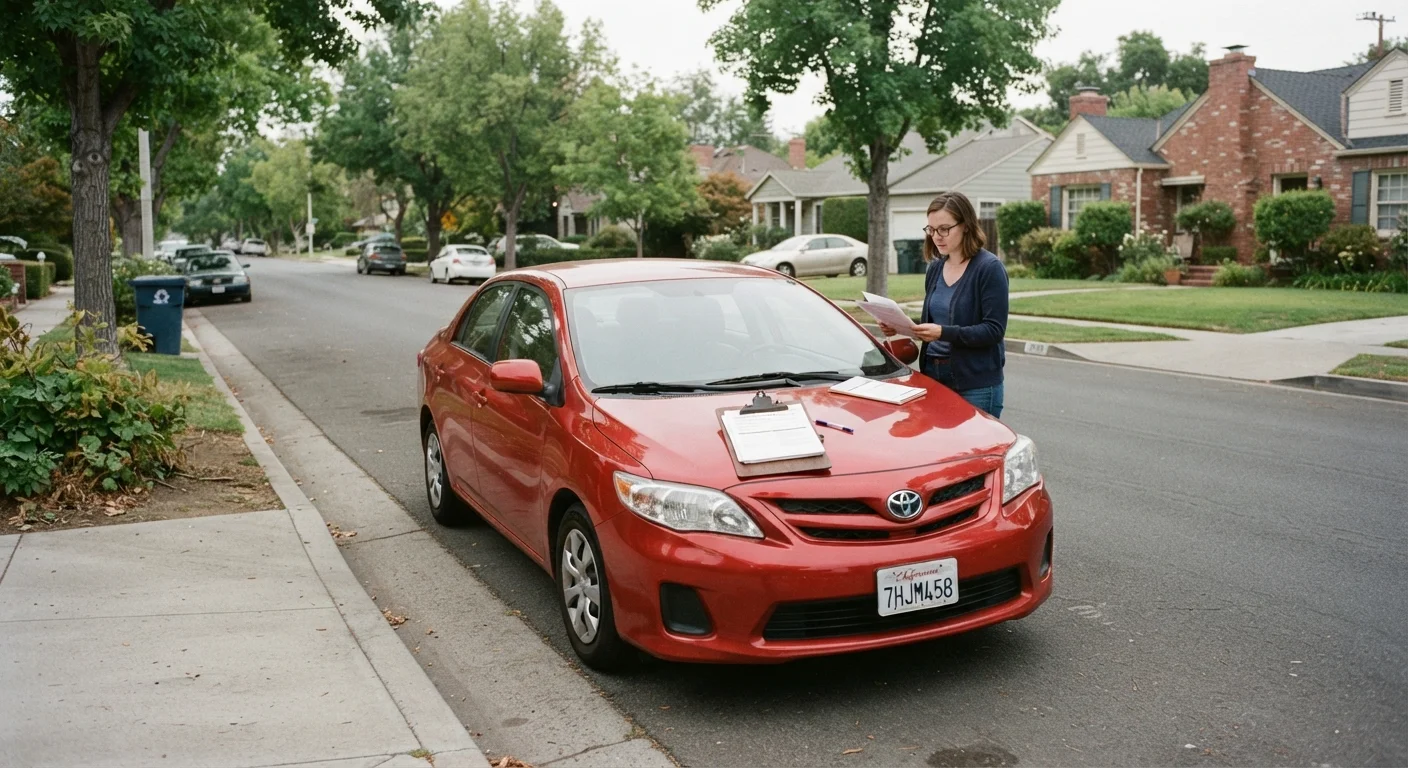
Red cars cost more to insure because insurers charge a premium for sporty colors.
Fact
Insurers do not collect or use vehicle color as a rating factor. Your premium is unaffected by whether your car is red, white, or any other color.
This is one of the oldest myths in auto insurance, and it simply isn't true. When you apply for a policy, insurers ask for your vehicle identification number (VIN), which encodes the make, model, trim level, engine size, and year - not the exterior color. What does raise rates for sporty vehicles is the vehicle type itself: a high-performance sports car costs more to insure because it is statistically more likely to be driven at speed and more expensive to repair, regardless of its paint.
Myth
Carrying state minimum liability coverage is enough to protect you financially.
Fact
Minimum liability limits are often far lower than the actual costs of a serious accident, leaving you personally responsible for the gap.
Every state sets a minimum level of liability coverage drivers must carry, but those floors were established years ago and haven't kept pace with medical and repair costs. A multi-vehicle collision with injuries can easily generate damages well into six figures. If your policy limit is exhausted, the injured party can pursue your personal assets - savings, wages, property - for the remainder. Many insurance professionals recommend carrying significantly higher liability limits than the state minimum, though the right amount depends on your individual financial situation and should be discussed with a licensed agent.
Myth
Your credit score has nothing to do with your car insurance rate.
Fact
In most U.S. states, insurers use a credit-based insurance score as one of several factors when setting premiums.
Research cited by the Federal Trade Commission found that credit-based insurance scores correlate with the likelihood of a policyholder filing a claim. As a result, most states permit insurers to factor this score into auto insurance pricing. Drivers with lower scores often pay meaningfully higher premiums than those with similar driving records but stronger credit profiles. A handful of states - including California, Hawaii, and Massachusetts - prohibit the use of credit in auto insurance rating. If you're working on improving your financial profile, see our related piece on credit myths that cost Americans money.
Myth
Comprehensive coverage pays for any type of damage, including accidents with other cars.
Fact
Comprehensive covers non-collision events - theft, weather, falling objects, fire, and animal strikes - but not collisions with other vehicles.
The naming is admittedly confusing. "Comprehensive" sounds like it covers everything, but in insurance terminology it refers specifically to damage caused by events other than a collision. Collisions with other vehicles or stationary objects are covered under collision coverage, which is a separate component. Drivers who drop collision coverage to save money - sometimes believing comprehensive alone is sufficient - can find themselves unprotected after a crash.
Myth
You should always file a claim so your insurance covers the cost of any damage.
Fact
Filing a claim for minor damage can trigger a premium increase that exceeds the claim payout over time.
Insurers track claims history, and even a single at-fault claim can result in a rate surcharge that lasts three to five years. For small repairs - a minor fender scrape, a cracked side mirror - it's worth calculating whether paying out of pocket is cheaper than absorbing the long-term premium increase. This is especially true if you have a higher deductible, where the insurer's net payout after the deductible may be modest anyway. Understanding when to file is one of the most practical insurance skills a driver can develop.
Myth
Your personal auto policy automatically covers using your vehicle for rideshare or delivery work.
Fact
Personal auto policies typically exclude commercial use, leaving rideshare and delivery drivers with potential coverage gaps during work periods.
Standard personal auto policies are written for personal, non-commercial use. When a driver is logged into a rideshare or delivery app - even while waiting for a match, before any fare is accepted - most personal policies do not apply. Rideshare companies provide some coverage during active trips, but the gap between logging in and accepting a ride is often uninsured under a personal policy. Drivers doing this kind of work should ask their insurer about a rideshare endorsement or a commercial policy.
What Actually Moves Your Premium - and What Doesn't
Understanding which factors genuinely influence what you pay helps you make smarter decisions at renewal time. Insurers weigh variables like your driving history, annual mileage, ZIP code, vehicle make and model, and - in most states - your credit-based insurance score. Color, stickers, and personal style have no bearing whatsoever.
Learn more about what insurers actually weigh when calculating your rate, including why two drivers in the same household can receive very different quotes. And if your renewal bill has crept up without any obvious reason, this breakdown of why premiums change explains what's driving it.
Minimum Coverage Can Leave a Serious Gap
If you cause an accident that results in significant injuries or vehicle damage, your liability limits determine how much your insurer pays - and you are personally responsible for anything beyond that. Medical bills, legal judgments, and repair costs from a multi-vehicle accident can exceed state minimum limits rapidly. Review your liability limits with a licensed insurance professional to understand whether your current coverage reflects your actual financial exposure.
Before filing any claim, it's worth understanding the process thoroughly. Our article on what to know before filing an auto insurance claim walks through the key decisions involved.
This article is for general informational purposes only and does not constitute insurance, financial, or legal advice. Coverage requirements, rating factors, and state regulations vary. Consult a licensed insurance professional for guidance specific to your situation.
The content on this site is for informational purposes only and is not a substitute for professional advice. Always consult a qualified professional for guidance specific to your situation.