

Why Maintenance Myths Persist - and Why They're Costly
Home maintenance myths tend to survive because they contain a grain of logic. Paint does cover stains. Heating systems do keep running for years without obvious problems. Gutters look fine from the ground. The trouble is that plausible-sounding shortcuts often defer - rather than prevent - the underlying problem, and deferred problems in homes almost always cost more to fix.
Many homeowners only discover the real consequences during a sale, an insurance claim, or when damage finally becomes impossible to ignore. The goal here is to close the gap between what feels reasonable and what the evidence actually supports. If you're new to homeownership, our first-time homeowner maintenance guide provides a grounded starting point for the routines that matter most.
Myth
Painting over a damp wall will seal out moisture and fix the problem.
Fact
Paint is a decorative finish, not a waterproofing membrane - moisture will continue to move through the substrate beneath it.
Applying paint over a damp or water-stained wall may hide the discolouration temporarily, but it does nothing to address the source of moisture. Water vapour passes through most standard paints, and trapped moisture accelerates peeling, bubbling, and mould growth behind the surface. If you notice persistent damp patches or staining, the underlying cause - whether a failed seal, poor drainage, or a plumbing issue - needs to be diagnosed and corrected first. See our guide to waterproofing failure signs for the early indicators worth watching for.
Myth
If my boiler or HVAC system is running, it doesn't need servicing.
Fact
Heating and cooling systems can operate while quietly accumulating problems - annual professional servicing catches faults before they become failures or safety hazards.
A boiler or furnace that fires up each morning may still have degraded seals, a partially blocked flue, or a failing heat exchanger. These faults don't always produce obvious symptoms until they cause a breakdown - or worse, a carbon monoxide leak. Most manufacturers specify annual servicing as a condition of warranty coverage. Skipping it doesn't just risk comfort; it risks safety and may void your coverage. For heating system maintenance that falls within DIY scope, bleeding a radiator is one simple task homeowners can safely do themselves.
Myth
Gutters only need cleaning when they're visibly overflowing.
Fact
By the time a gutter overflows, blockage-related damage to fascia boards, foundations, and walls may already be underway.
Gutters can trap debris, standing water, and organic growth well before they overflow noticeably. Decomposing leaves hold moisture against fascia boards, accelerating rot, while water that cannot drain properly may spill toward the foundation instead. Most homes benefit from cleaning gutters at least twice a year - typically in late spring and after autumn leaf fall. Our gutter maintenance guide explains what neglect actually costs in structural terms.
Myth
Caulk and grout are permanent once applied - you only need to do it once.
Fact
Both caulk and grout degrade over time due to movement, moisture, and temperature changes; reapplication is a routine maintenance task, not a one-time fix.
Caulk around bathtubs, sinks, and windows typically has a lifespan of five to ten years under normal conditions, and often less in high-moisture areas. Cracked or peeling caulk allows water to penetrate behind tiles, inside wall cavities, and under flooring - damage that may not become visible until it is extensive. Inspect caulked joints annually and recaulk wherever you see cracking, separation, or discolouration. For a full overview of where caulk belongs and how to apply it correctly, see our caulking guide.
Myth
A small leak or crack is minor - it can wait until it gets worse.
Fact
Water intrusion and structural cracks almost always worsen over time; early intervention is consistently less expensive than delayed repair.
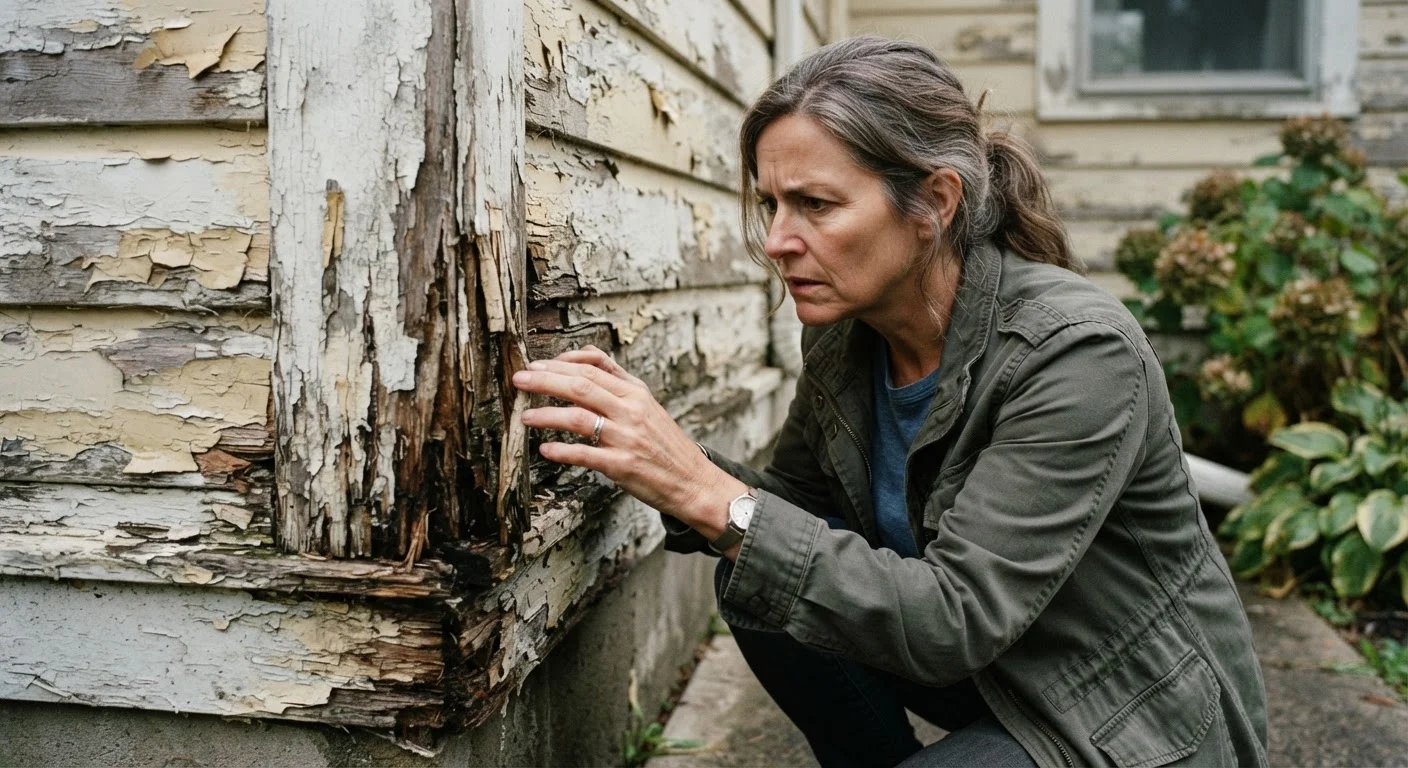
A slow drip under a sink or a hairline crack in exterior masonry may seem manageable, but both create conditions for accelerating damage. Water encourages mould, weakens timber framing, and corrodes metal fixings. Cracks in masonry allow water infiltration during freeze-thaw cycles, widening with each winter. The true cost of deferred maintenance is rarely proportional - a £20 fix ignored for a year can become a £2,000 repair. Address small problems promptly.
Myth
Ventilation is only important in summer - in winter, keeping the house sealed keeps it warm and dry.
Fact
Sealing a home too tightly in winter traps moisture from cooking, bathing, and breathing, which leads directly to condensation, mould, and poor air quality.
Modern homes are built to be more airtight than older stock, which improves energy efficiency but increases the need for deliberate ventilation management. Without adequate airflow, humidity from everyday activities accumulates indoors. The result is condensation on cold surfaces - windows, external walls, and corners - followed by mould growth. Trickle vents, extractor fans, and periodic window opening all play a role in managing indoor moisture year-round. Our ventilation overview covers where airflow gaps commonly occur and how to address them.
Structural and Safety Myths Worth Taking Seriously
Some maintenance myths carry consequences beyond cosmetic or repair costs - they touch on structural integrity and household safety. The belief that a functioning system needs no attention, or that a visible wall can safely be removed, belongs in this category.
DIY Structural Work Carries Real Risk
Myths around load-bearing walls are particularly dangerous. Removing or altering a wall without knowing whether it bears structural load can destabilise your home. Always consult a structural engineer or licensed contractor before modifying any interior wall. Permits and inspections are typically required for this type of work - check your local building codes.
Similarly, myths around ventilation - the idea that a sealed home is always a healthy home - have real air quality and moisture implications. For more on where well-intentioned DIY approaches can backfire, see why DIY fixes sometimes make problems worse. Understanding the limits of the approach is as important as the task itself.
Boiler and Gas Work Requires a Licensed Professional
Never attempt to service, repair, or modify a gas boiler yourself. In the US, gas appliance work must be performed by a licensed professional and may require permits. Annual professional servicing is not optional - it is a safety and code requirement in many jurisdictions. Carbon monoxide leaks from poorly maintained heating systems are silent and potentially fatal.
~35%
of home insurance claims linked to water damage
Water damage and freezing consistently account for a significant share of homeowner insurance claims in the US, according to industry data from the Insurance Information Institute.
5-10 yrs
Typical lifespan of residential caulk
Under normal household conditions, caulk around wet areas and window frames generally requires replacement within this window, though high-moisture environments shorten that timeline.
This article is for general informational purposes only and does not constitute professional building, structural, or safety advice. Always consult a licensed contractor, structural engineer, or qualified tradesperson before undertaking significant home maintenance or repair work. Verify local permit and code requirements with your municipality.
The content on this site is for informational purposes only and is not a substitute for professional advice. Always consult a qualified professional for guidance specific to your situation.