

The Gap Between Confidence and Competence
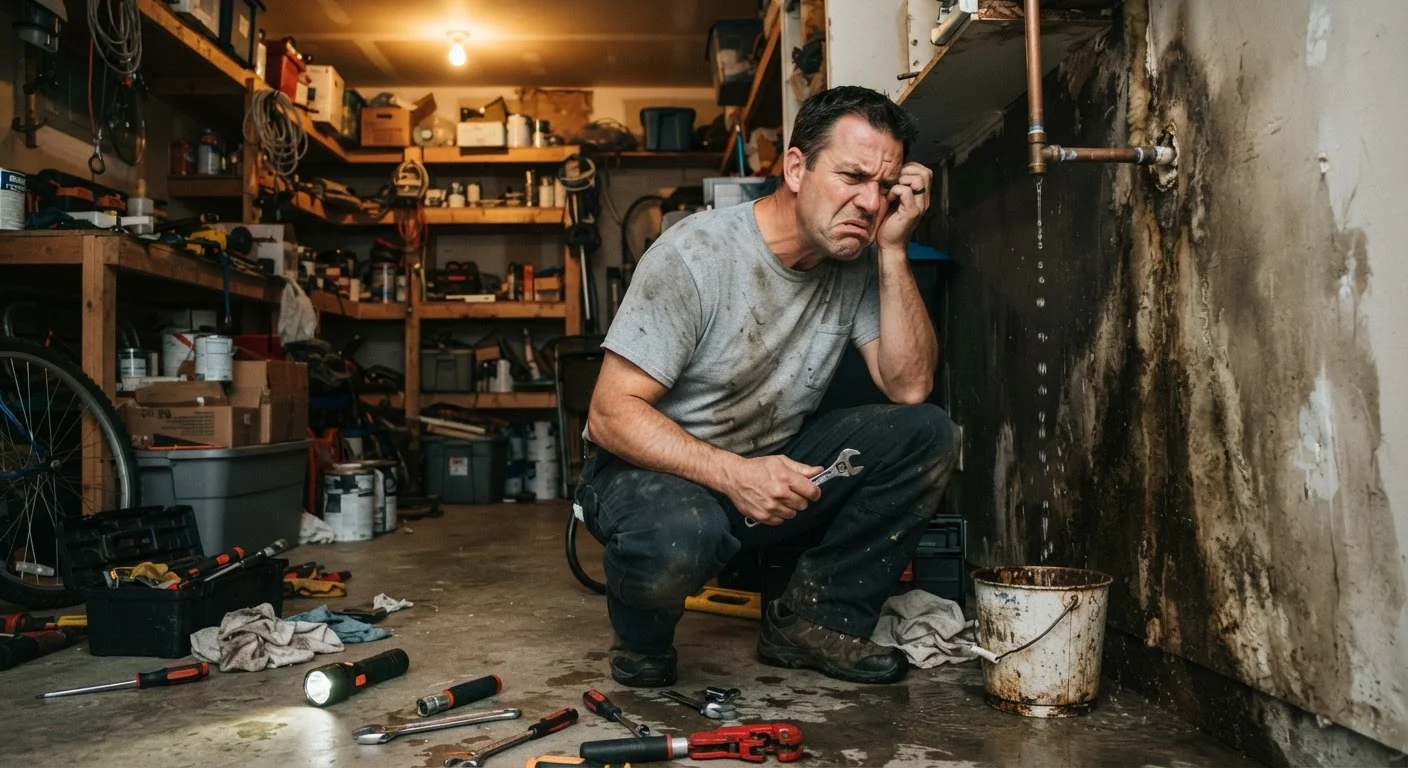
DIY home repair has real value - it builds skills, saves money on straightforward tasks, and keeps minor issues from lingering. But the same enthusiasm that gets a homeowner off the couch on a Saturday morning can also lead them to tackle something they are not fully equipped to handle. The result is often a problem that is larger, more expensive, and more deeply hidden than the original one.
The issue rarely comes down to effort. Most homeowners who make DIY mistakes are working hard and trying to do the right thing. What goes wrong is usually a gap in diagnosis, materials knowledge, or awareness of what a repair actually involves once you get into it. Understanding these patterns is the first step to avoiding them - or to knowing when to step back and call in qualified help. For a broader look at how deferred and botched maintenance compounds over time, see The True Cost of Skipping Routine Home Maintenance.
Treating a symptom instead of diagnosing the root cause.
Why it happens: Visible signs - a water stain, a crack, a soft spot in flooring - look like the problem itself. Homeowners naturally want to fix what they can see.
Using the wrong materials or sealants for the specific application.
Why it happens: Hardware store labelling can be generic, and many homeowners are not aware that caulks, adhesives, and fillers are formulated for very specific substrates and conditions.
Over-tightening plumbing fittings, which cracks fixtures or strips threads.
Why it happens: It feels logical that tighter means more secure and leak-proof. Many first-time repair attempts end with a cracked toilet base, a split pipe fitting, or a stripped valve seat.
Skipping permits or required inspections for regulated work.
Why it happens: Permits feel like unnecessary bureaucracy, especially for work that seems straightforward. Homeowners often underestimate the scope of what local codes cover.
Applying a cosmetic fix - paint, filler, or caulk - over an active moisture problem.
Why it happens: The repair looks complete from the surface, and moisture problems are often seasonal or intermittent, making it easy to assume the issue has resolved.
Why These Mistakes Keep Happening
Many of the patterns above repeat across households because the information landscape around home repair is uneven. Tutorial videos and how-to guides are genuinely useful for context, but they often compress or omit the diagnostic steps that a professional would consider before picking up a tool. They also cannot account for the specific conditions of your home - its age, materials, and existing repair history.
~35%
DIY projects that require professional correction
Industry estimates from home warranty and repair services suggest roughly a third of DIY repairs are later corrected or completed by a professional, often at greater cost than an initial professional repair would have been.
Top 3
Most mishandled DIY categories
Plumbing, electrical work, and drywall repair consistently appear among the most frequently botched DIY categories, according to home inspection industry reports.
A separate factor is the tendency to treat symptoms rather than causes. A stain on a ceiling, a crack in grout, or a door that sticks all look like surface problems. In many cases they are not. Acting on appearance alone - patching, painting over, or filling - without understanding what is driving the symptom is one of the fastest ways to let a problem grow quietly behind a fresh finish.
It is also worth recognising that some jobs carry regulatory weight. Work involving electrical panels, load-bearing structures, gas lines, or plumbing connections into the mains typically requires permits and licensed tradespeople in most US jurisdictions. Skipping those steps can affect your homeowner's insurance coverage, complicate a future sale, and in some cases create genuine safety hazards. For guidance on drawing that line clearly, When to Call a Professional and When DIY Is Safe offers a practical framework. You may also find it helpful to review Home Maintenance Myths That Lead to Avoidable Damage to separate received wisdom from sound practice.
Mould Hidden Behind a Fresh Patch
One of the costliest outcomes of an incomplete repair is mould that grows undetected behind patched drywall or under freshly laid flooring. By the time it becomes visible again, remediation can involve significant structural removal. If a repair area has been damp, have it assessed for mould before closing it back up. For tasks that seem simple but often conceal this kind of complexity, see The DIY Jobs That Seem Easy But Regularly Go Wrong.
The goal is not to discourage DIY work - it is to help you apply it where it genuinely fits. DIY vs. Hiring a Contractor: How to Decide What Each Project Really Needs can help you build that judgement project by project.
The content on this site is for informational purposes only and is not a substitute for professional advice. Always consult a qualified professional for guidance specific to your situation.