

Our Verdict
Preventive maintenance delivers clear long-term value for most homeowners, reducing emergency costs, extending the life of major systems, and protecting property value. That said, reactive repair remains a practical reality - not every failure is foreseeable, and budgets have limits. The most cost-effective approach combines a structured seasonal maintenance routine with a financial buffer for unexpected repairs.
Preventive maintenance is best for homeowners who want to control long-term costs, avoid disruption, and keep their home's systems running efficiently year-round.
What Each Approach Actually Means
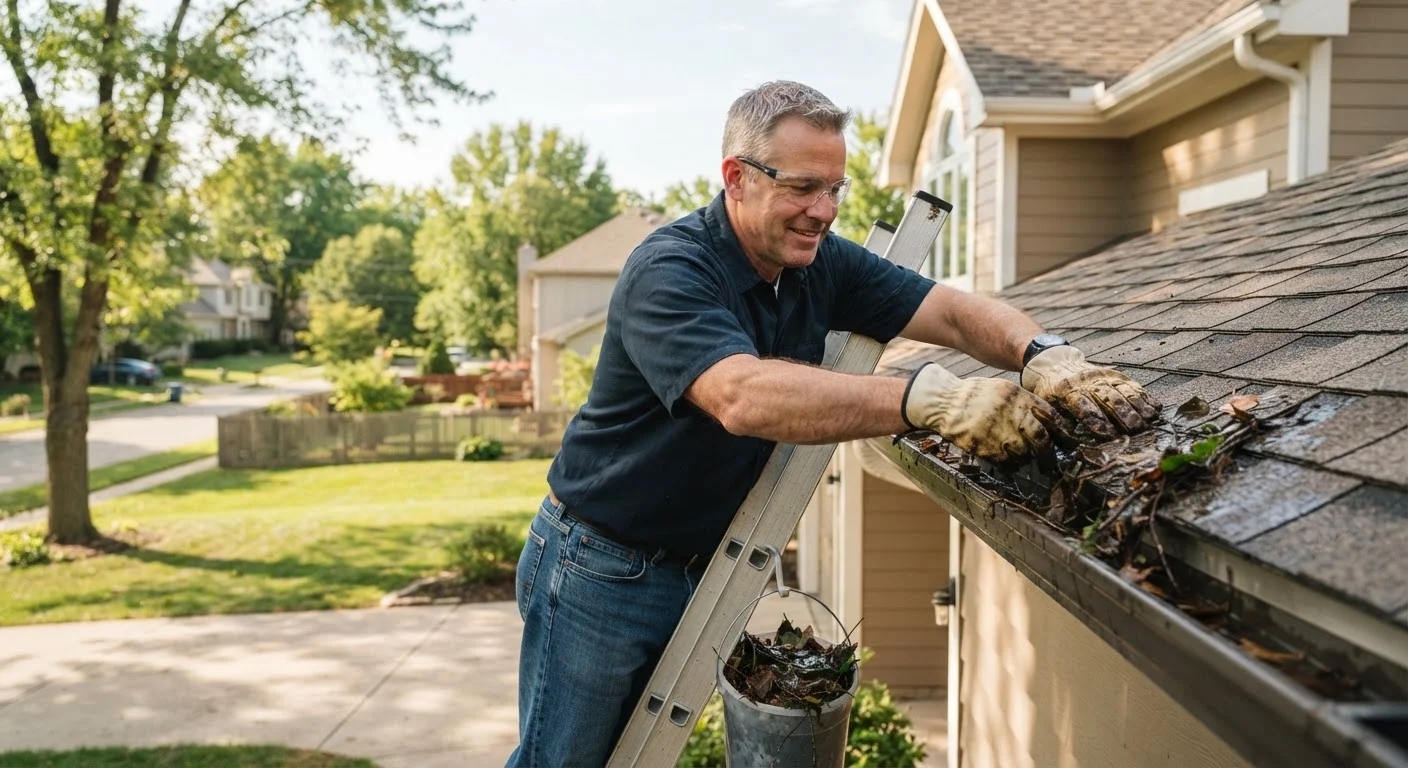
Preventive maintenance means addressing your home's systems and components on a scheduled basis - before anything breaks. Think cleaning gutters each fall, servicing your HVAC filter every few months, or inspecting your roof after winter. The goal is to catch wear before it becomes failure.
Reactive repair is the opposite: you wait until something stops working, then fix it. For some homeowners this feels more economical - why spend money on something that isn't broken? - but the full cost calculation is rarely that simple.
Both approaches exist on a spectrum. Very few homeowners are purely one or the other. The real question is where you set the default - and understanding the trade-offs of each helps you make that call deliberately rather than by habit.
The Case for Preventive Maintenance
The core argument for staying ahead is compounding damage. A small roof leak left unaddressed can saturate insulation, rot structural timbers, and trigger mold growth - turning a modest repair into a five-figure remediation project. See how deferred maintenance adds up over time for a detailed breakdown of these cascading costs.
Catches problems before they cause secondary damage
Small failures - a loose shingle, a dripping pipe - rarely stay small. Preventive checks interrupt the chain before damage spreads to adjacent materials or systems.
Creates predictable, budgetable expenses
Scheduled maintenance costs are generally known in advance, making them easier to plan for than sudden emergency repair bills.
Extends the useful life of major systems
HVAC units, water heaters, and roofing all last longer when serviced regularly, delaying the need for costly full replacements.
Protects and may enhance property value
A well-maintained home presents better at resale and is less likely to surface issues during a buyer's inspection that could reduce the sale price.
Reduces emergency disruption
Planned maintenance happens on your schedule; reactive failures often don't - a burst pipe or furnace failure in winter creates immediate hardship beyond the repair bill.
Preventive maintenance also creates predictability. When you know what needs attention each season, you can budget for it in advance rather than scrambling to cover an emergency. A seasonal home maintenance schedule turns a vague obligation into a concrete checklist - reducing both the mental load and the risk of overlooking something critical.
The Case for Reactive Repair
Reactive repair is not simply neglect - it can be a rational choice in specific situations. When a component has a genuinely unpredictable failure mode, investing in frequent preventive checks may cost more than simply replacing it when it fails. This logic applies particularly to appliances with long, reliable lifespans.
Upfront cost even when nothing is broken
Paying for inspections or servicing on a working system can feel wasteful, particularly when household budgets are tight and the benefit isn't immediately visible.
Risk of over-maintaining low-failure-rate components
Not every system rewards frequent attention equally. For appliances or materials with long, reliable track records, intensive preventive schedules may cost more than they save.
Requires time, organization, and follow-through
Maintaining a seasonal schedule demands consistent attention. Homeowners without a clear system in place often let tasks slide, negating the benefit of the approach.
Cannot eliminate all reactive repairs
Even a rigorous preventive routine won't prevent every unexpected failure - some components fail without warning regardless of how well they are maintained.
Reactive repair also makes sense as a short-term bridge when cash flow is constrained. Prioritizing which systems to maintain proactively - mechanical systems like HVAC, plumbing, and roofing - versus which to monitor and repair as needed is a practical way to stretch a limited maintenance budget without abandoning discipline entirely.
1-4×
Cost multiplier of reactive vs. preventive repair
Industry estimates from building maintenance research suggest reactive repairs commonly cost one to four times more than equivalent preventive work, depending on the system involved.
1-2%
Of home value recommended for annual maintenance
A widely cited rule of thumb among housing and personal finance educators suggests setting aside roughly 1-2% of a home's purchase price annually for upkeep, though actual costs vary by age, location, and condition.
Where the Cost Math Favors Prevention
Three home systems consistently reward preventive attention with outsized savings:
- HVAC: A regularly serviced heating and cooling system runs more efficiently and lasts longer. Neglected systems work harder, consume more energy, and fail sooner - often at the worst possible time of year.
- Plumbing: Catching a slow drip or early corrosion at an inspection is far cheaper than dealing with water damage behind walls. Water intrusion is among the most expensive categories of home repair.
- Roofing: Annual inspections - especially after severe weather - allow you to seal minor gaps before they become structural problems. Roof replacement is a major expense; extending its useful life matters.
The principle extends beyond the house itself. Older vehicles face the same trade-offs: routine oil changes and inspections remain far cheaper than engine failure, even when the car has significant mileage.
When to Call a Licensed Professional
Preventive maintenance does not mean DIY maintenance for every task. Electrical systems, gas lines, structural elements, and roofing above single-story height should be inspected and serviced by licensed tradespeople. Many jurisdictions also require permits for certain repair or replacement work - check with your local building authority before proceeding with significant projects.
Building a Blended Strategy
For most homeowners, the practical answer isn't choosing one approach - it's deciding which systems warrant scheduled attention and which can be monitored more loosely. A reasonable framework:
- Identify high-stakes systems - those where failure causes secondary damage (roof, plumbing, HVAC, foundation drainage) - and put these on a preventive schedule.
- Build a maintenance reserve - a dedicated savings buffer for reactive repairs that do arise. Financial planners often suggest setting aside 1-2% of a home's value annually for maintenance, though actual needs vary widely by home age and condition.
- Use seasonal checkpoints as your rhythm. A season-by-season maintenance plan keeps tasks from piling up and ensures nothing critical is overlooked across the year.
No system eliminates surprise repairs entirely. But a deliberate blend of preventive habits and a financial cushion for reactive needs gives homeowners the best footing to manage both.
The content on this site is for informational purposes only and is not a substitute for professional advice. Always consult a qualified professional for guidance specific to your situation.