

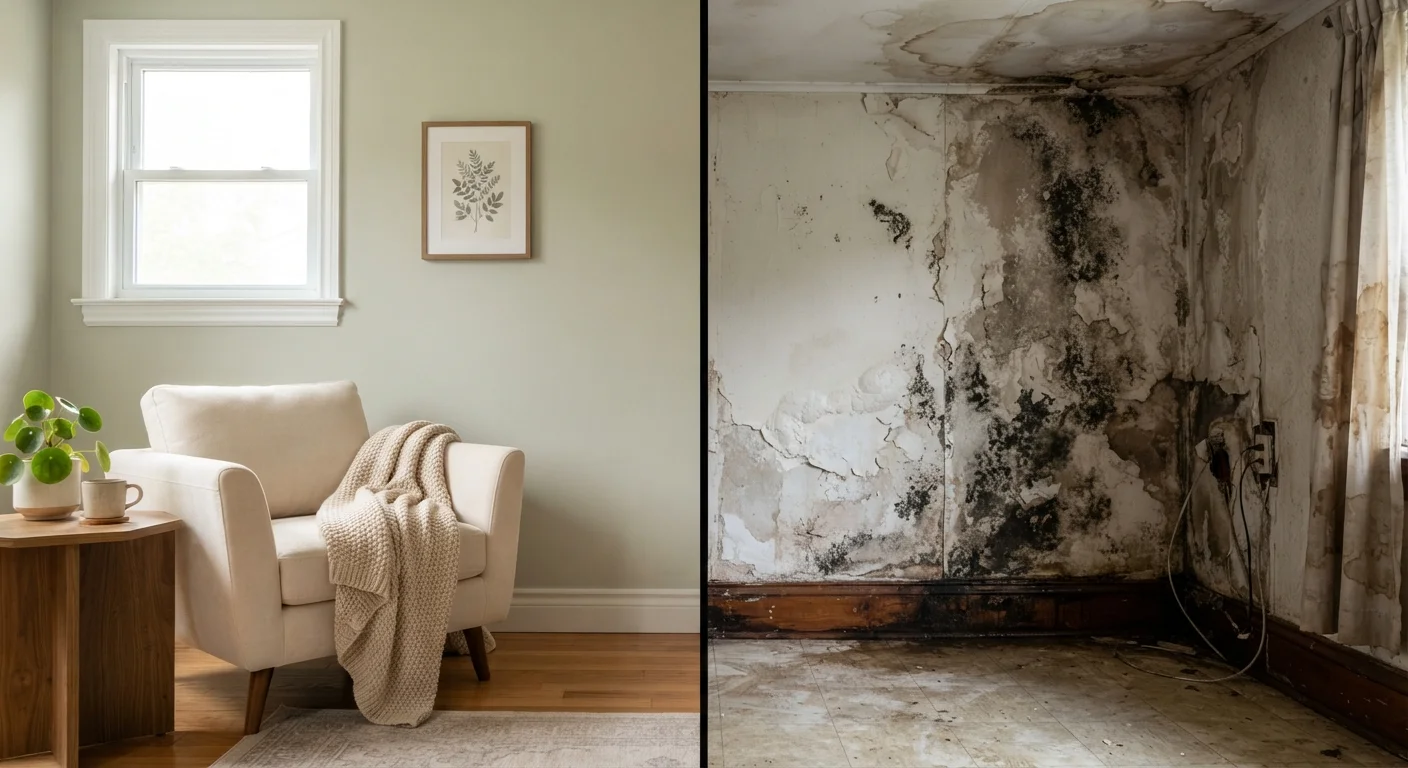
Why Small Problems Rarely Stay Small
A dripping faucet. A hairline crack in exterior caulking. A gutter sagging at one end. Individually, these feel like minor inconveniences - easy to dismiss, easy to postpone. But in a home, systems are interconnected, and a small defect rarely stays contained. Water finds its way through the smallest gap; wood softens and warps; mold takes hold in damp cavities. What begins as a $30 tube of caulk eventually becomes a $4,000 window replacement.
This is the core mechanic of deferred maintenance: neglect doesn't pause costs, it accumulates them. The longer a problem goes unaddressed, the more surrounding materials become involved, and the more labor-intensive the eventual fix becomes. Understanding this compounding effect is the first step to approaching home upkeep with the attention it deserves.
“The most expensive repair is always the one you put off. A home is constantly interacting with weather, moisture, and time - and those forces don't pause while a to-do list grows.”
— Home & Garden Editorial Team, Home Maintenance Editors
The Most Common Neglect Pathways - and Where They Lead
Certain categories of home maintenance carry disproportionate risk when skipped. Water-related failures top the list - leaking roofs, blocked gutters, and slow plumbing drips account for a significant share of costly home repairs. A blocked downspout forces water against a foundation; over one or two seasons, that moisture pressure can crack masonry and allow water intrusion into a basement or crawl space.
HVAC systems follow a similar pattern. Failing to replace air filters, clean condenser coils, or service a furnace before winter doesn't just reduce efficiency - it shortens the system's lifespan and raises the likelihood of a full replacement rather than a repair. A $150 annual tune-up often defers a $5,000 unit replacement by several years.
Exterior wood - fascia boards, window frames, deck joists - degrades when paint or sealant is neglected. Once moisture penetrates bare wood, rot sets in quickly, turning a repainting job into structural carpentry. Our plumbing maintenance guide covers early warning signs that are within most homeowners' ability to catch before a plumber is needed.
1-2%
Of home value recommended annually for maintenance
A commonly cited rule of thumb in personal finance and property management circles suggests setting aside 1-2% of a home's value each year for upkeep and repairs.
~$18,000
Average cost of water damage remediation
According to industry estimates, significant water intrusion events - including mold remediation and structural drying - can cost homeowners well into the tens of thousands of dollars.
3-5×
Cost multiplier of delayed versus prompt repair
Property maintenance professionals commonly observe that deferred repairs cost several times more than addressing problems at the point of first detection, due to cascading damage to adjacent materials.
The Insurance Gap Most Homeowners Don't Anticipate
Many homeowners assume their insurance policy acts as a safety net for most home damage - but this assumption has real limits. Standard homeowners policies are designed to cover sudden, accidental losses: a tree falling on the roof, a burst pipe from a freeze event. They are generally not designed to cover damage that developed gradually due to insufficient upkeep.
Insurers commonly invoke exclusions for mold, rot, and pest damage when evidence suggests the underlying cause was prolonged moisture or structural neglect. This means that a claim filed after a significant water intrusion event may be partially or fully denied if an adjuster determines the root cause was a long-ignored maintenance deficiency.
Review Your Policy's Maintenance Exclusions
Insurance policy language varies significantly between providers and coverage tiers. It's worth reviewing your specific policy documents - or speaking with your insurance agent - to understand exactly what maintenance-related exclusions apply to your coverage. Don't wait until after a claim to discover a gap.
This gap reinforces why proactive upkeep isn't just about preserving comfort - it's about protecting a financial asset. For a deeper look at the trade-offs involved, see our article on preventive maintenance versus reactive repair.
Building a Maintenance Habit That Actually Sticks
The most effective antidote to deferred maintenance is a structured, seasonal approach - checking systems and surfaces at regular intervals so nothing accumulates silently. This doesn't require extensive expertise or significant time. Most inspections take under an hour and involve looking for visible signs of wear: staining on ceilings, movement in caulk joints, debris in gutters, moisture around pipe fittings.
Set a Seasonal Reminder System
Schedule four calendar reminders per year - one for each season - to walk through your home's key systems and surfaces. Even a 30-minute inspection each quarter is enough to catch most emerging issues before they escalate. Pair your walkthrough with our seasonal checklist to ensure nothing is overlooked.
Keeping a simple home maintenance log - even a basic notes document - helps homeowners track what's been done, what's aging, and what's next. This record is also useful during a home sale, signaling to buyers that the property has been actively cared for. Our seasonal maintenance checklist provides a practical starting point organized by time of year.
For homeowners planning larger improvements, it's worth noting that deferred maintenance often surfaces during renovation projects as hidden damage - a topic explored further in our guide on hidden costs in renovation projects. Addressing routine upkeep before undertaking improvements can prevent costly surprises mid-project.
Frequently Asked Questions
The cost varies widely by the type and duration of neglect, but minor issues like a small roof leak or ignored gutter blockage can escalate into repairs costing thousands of dollars once water damage spreads. Industry guidance often suggests budgeting 1-2% of a home's value annually for maintenance to stay ahead of deterioration.
Generally, no. Most homeowners insurance policies exclude damage resulting from lack of maintenance or gradual deterioration. Coverage typically applies to sudden, accidental events - not slow-developing problems an owner could reasonably have prevented.
Foundation damage, roof replacement, mold remediation, and sewer line failures are among the costliest. Each commonly starts as a manageable issue - a drainage problem, missing shingles, a slow leak - that goes unaddressed long enough to require major intervention.
A thorough walkthrough each season is a practical baseline. Spring and fall are particularly important - spring to catch winter damage, fall to prepare systems for cold weather. Our <a href="/home-garden/home-maintenance/seasonal-home-maintenance-what-to-tackle-and-when">seasonal maintenance guide</a> outlines what to check and when.
Yes, noticeably. Buyers and their inspectors typically identify deferred maintenance during the sale process, leading to lower offers, repair credits, or deals falling through entirely. Documented upkeep history can meaningfully support a home's asking price.
The content on this site is for informational purposes only and is not a substitute for professional advice. Always consult a qualified professional for guidance specific to your situation.