

Why Charging Habits Matter More Than Most People Realise
The battery inside your phone, tablet, or laptop is a consumable component - it has a finite number of useful charge cycles before its capacity measurably declines. Unlike a cracked screen or a broken port, battery degradation is invisible and gradual, which is exactly why the habits driving it are so easy to ignore.
Most modern consumer devices use lithium-ion or lithium-polymer batteries. These cells are sensitive to two main stressors: voltage stress (keeping the battery at very high or very low charge levels) and heat. Everyday charging habits routinely expose batteries to both - often without the user realising it.
Understanding what actually causes degradation helps you make small adjustments that extend the time before your device needs a battery replacement. For more on how degradation unfolds over a device's life, the article why gadgets run out of battery faster over time explains the underlying chemistry in plain language.
~500
Typical full charge cycles before notable capacity loss
Battery manufacturers commonly rate lithium-ion cells for approximately 300-500 full charge cycles before capacity drops to around 80%, though partial cycles count proportionally less.
~25%
Capacity loss from chronic high-voltage storage
Research published in battery engineering literature suggests storing lithium-ion cells consistently at full charge can reduce long-term capacity more than moderate partial charging patterns.
The Charging Mistakes That Silently Shorten Battery Life
None of the habits below will destroy a battery overnight. Their damage is cumulative - compounding quietly over months and years until you notice your device barely lasts half a day. Recognising these patterns is the first step to changing them.
Charging your device to 100% every single day.
Why it happens: A full charge feels intuitive - you want maximum range before leaving the house. Most device interfaces also display a reassuring '100%' as a goal state.
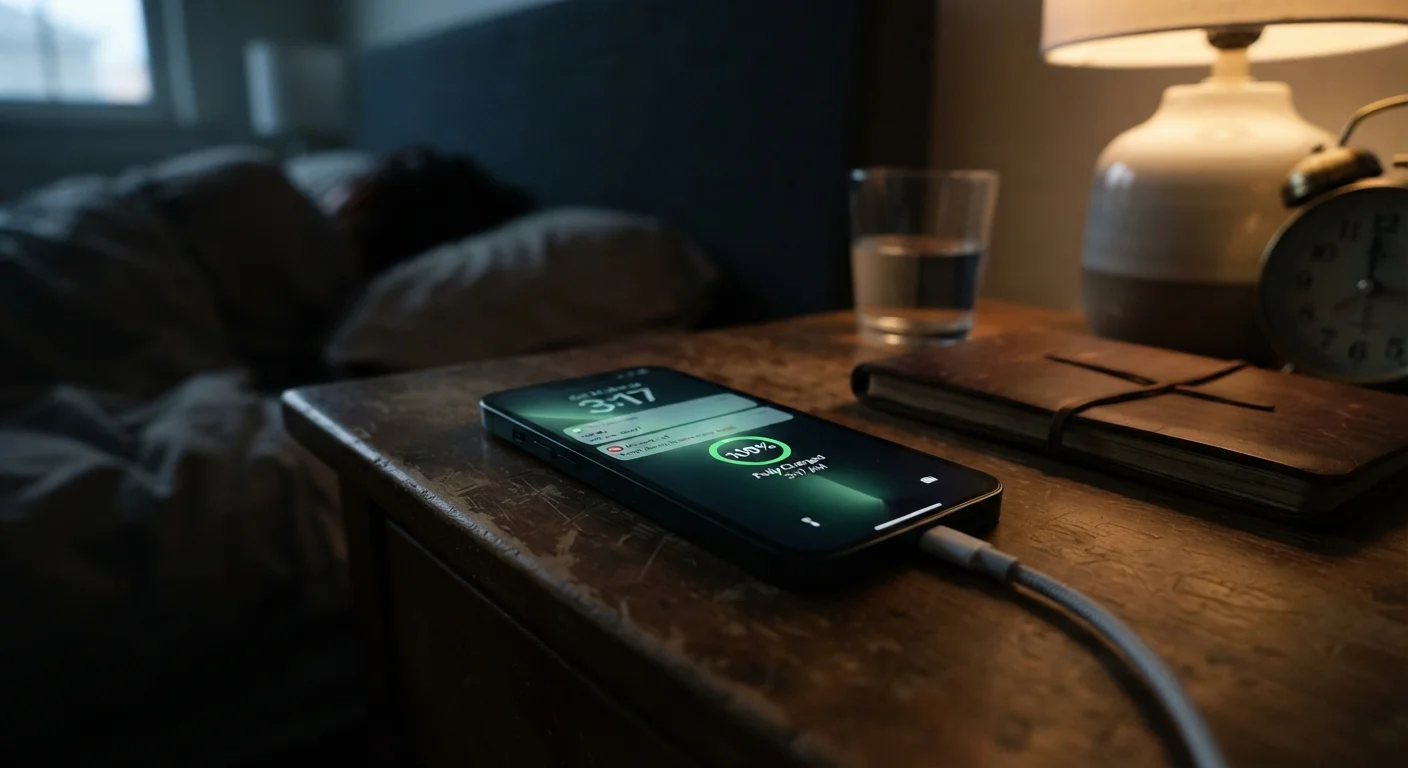
Leaving devices plugged in and charging overnight, every night.
Why it happens: It is genuinely convenient to wake up to a full battery, and chargers have built-in overcharge protection so the device won't literally overcharge.
Regularly draining the battery all the way to 0% before recharging.
Why it happens: An old piece of advice - still circulating online - says you should fully discharge batteries to 'calibrate' them. This was relevant for older nickel-cadmium technology.
Charging in hot environments or with the device inside a case that traps heat.
Why it happens: People often charge wherever is convenient - on a sun-warmed desk, inside a thick protective case, or near other heat sources.
Assuming all chargers deliver the same result and using high-wattage fast chargers habitually.
Why it happens: Fast chargers are widely available and visibly convenient. It is easy to assume faster always equals better.
Heat During Charging Is a Serious Risk
Charging generates heat, and high temperatures are directly linked to accelerated lithium-ion degradation. Avoid placing devices on soft surfaces like pillows or beds while charging - these trap heat against the device. Never leave a charging device inside a closed car on a warm day. If your device becomes uncomfortably warm during charging, unplug it and allow it to cool before continuing.
Battery health is also connected to broader device care. The article habits that shorten a device's life without you realising covers additional overlooked factors beyond charging alone.
Lithium Batteries Are Not Like Old Nickel Cells
Many charging myths originate from older nickel-cadmium (NiCd) battery technology, which required full discharge cycles to maintain capacity. Lithium-ion and lithium-polymer batteries - used in virtually every modern smartphone, tablet, and laptop - operate on entirely different chemistry. Advice suited to older battery types can actively harm lithium cells. When in doubt, apply the guidance specific to lithium-ion technology.
If you want to go further, practical ways to extend your hardware's lifespan brings together charging, storage, and software habits into a single framework for keeping devices useful longer. And if you've heard conflicting things about specific practices like fast charging, common gadget myths examined separates evidence from folklore.
The content on this site is for informational purposes only and is not a substitute for professional advice. Always consult a qualified professional for guidance specific to your situation.