

Why First-Timers Arrive With the Wrong Picture
Sedona has a well-earned reputation as one of Arizona's most striking destinations, and social media has only amplified it. The problem is that Instagram and travel blogs tend to showcase the best-light, empty-trail version of a place - leaving first-time visitors to discover the rest on arrival. A few persistent myths do most of the damage, shaping expectations that the real Sedona quietly contradicts. If you're planning a trip, it's worth sorting the legend from the logistics before you pack.
For a broader look at the assumptions that make trip planning harder than it needs to be, see our guide to common travel planning myths.
Myth
Sedona is a quiet, uncrowded escape into nature - the kind of place where you can have a trail to yourself.
Fact
Sedona is one of the most visited destinations in Arizona, drawing well over three million visitors annually. Popular trailheads like Cathedral Rock and Devil's Bridge often reach capacity before 9 a.m. on weekends.
The images circulating online tend to be taken in off-peak hours or shoulder seasons. In reality, Sedona's combination of dramatic scenery, accessible trails, and a short drive from Phoenix makes it a constant draw. The town operates a paid shuttle system - the Sedona Shuttle - specifically to manage trailhead overcrowding. Arriving early, using the shuttle, or targeting weekday visits makes a genuine difference. Visitors who arrive at 10 a.m. on a Saturday expecting solitude are in for a rude surprise.
Myth
The energy vortexes in Sedona are a scientifically documented phenomenon that produces measurable physical effects.
Fact
Vortex sites are locations considered spiritually significant by many visitors and practitioners, but no peer-reviewed scientific evidence supports claims of measurable electromagnetic or energy fields at these spots.
The vortex concept in Sedona became widely popularized in the 1980s and has been a defining part of the town's wellness identity ever since. Many visitors report feelings of calm, clarity, or emotional openness at these sites - experiences that are real and valid, even if the mechanism is not scientifically established. The sites themselves - Bell Rock, Cathedral Rock, Airport Mesa, and Boynton Canyon - are genuinely beautiful places to sit and reflect. Approaching them as contemplative destinations rather than energy machines tends to make the experience more satisfying for everyone.
Myth
Hiking in Sedona is beginner-friendly across the board because the desert terrain looks flat and open.
Fact
Sedona sits at approximately 4,500 feet in elevation, and many trails involve significant elevation gain, loose red rock surfaces, and exposed scrambling that can challenge even experienced hikers.
The desert landscape can look deceptively approachable in photos. On the ground, trails like Hangover Trail or Mescal Mountain involve genuine exposure and require sure footing. Visitors arriving from lower elevations may notice increased fatigue and shortness of breath for the first day or two. Sun exposure is intense, afternoon thunderstorms are common in summer, and water sources are limited on most trails. Checking trail ratings on reliable sources like AllTrails and packing more water than you think you need are both well-supported practices. Anyone with heart or lung conditions should consult a healthcare provider before attempting strenuous hikes at altitude - this is general wellness information, not medical advice.
Myth
You can park at any trailhead for free, just like most national forest areas.
Fact
Most trailheads in the Sedona area that fall within the Red Rock Ranger District require either an Arizona Red Rock Pass or a federal America the Beautiful Interagency Pass.
This catches a notable number of first-timers off guard, and the fines for non-compliance are real. The Red Rock Pass applies to parking in designated day-use areas managed by the Coconino National Forest. Some trailheads are served only by the paid shuttle, meaning private parking is not permitted at all. Checking the U.S. Forest Service's official site for current pass requirements and shuttle schedules before your visit is the most reliable way to avoid surprises. Pass rules and pricing are subject to change, so always verify with the official source.
Myth
Fall and winter are the slow seasons in Sedona, so you'll find cheaper lodging and fewer crowds.
Fact
Fall - particularly October - is one of Sedona's busiest and most expensive periods. Spring runs a close second. Summer weekdays are often quieter and more affordable, despite the heat.
The mild temperatures and vivid light of Sedona's spring and fall draw enormous numbers of visitors, and accommodation prices spike accordingly. Summer temperatures in Sedona typically reach the 90s°F, which discourages some travelers and does thin crowds noticeably on weekdays. Winter can bring genuine cold and occasional snow, which creates its own striking beauty but also road hazards on routes like Oak Creek Canyon. The broader lesson: "off-season" doesn't map neatly onto Sedona the way it might for beach destinations. Checking local event calendars - Sedona hosts several festivals that compress availability sharply - is worth doing before you commit to dates.
What the Myths Get Wrong - And What to Do Instead
Once you've cleared away the misconceptions, the practical picture is actually reassuring. Sedona rewards visitors who arrive with realistic expectations and a flexible mindset. Parking fills by mid-morning on busy weekends, but the same shuttle system that frustrates unprepared visitors moves efficiently once you understand the routes. Trails that look moderate on a trail app can feel significantly harder at elevation, especially for visitors flying in from sea level - give yourself a day to acclimate before attempting long climbs.
Heat and Sun Exposure Are Serious Risks
Sedona's desert environment means intense UV exposure and rapidly changing afternoon weather, especially in summer. Dehydration and heat exhaustion send a measurable number of unprepared hikers to seek assistance each year. Carry more water than trail distance alone suggests you'll need, start hikes early in the morning, and turn around before afternoon thunderstorm season peaks. If you or someone in your group shows signs of heat illness, seek shade, cool down, and contact emergency services if symptoms are severe.
If you're drawn to the region's spiritual side, engage with the vortex sites as the contemplative spaces they are without expecting a quantifiable physical effect - many visitors find them genuinely peaceful regardless of belief. And if Sedona starts to feel too polished, the surrounding Coconino National Forest offers quieter alternatives just minutes from the main tourist corridor. Comparing notes with Santa Fe's very different desert personality can also help you decide which destination fits your travel style better.
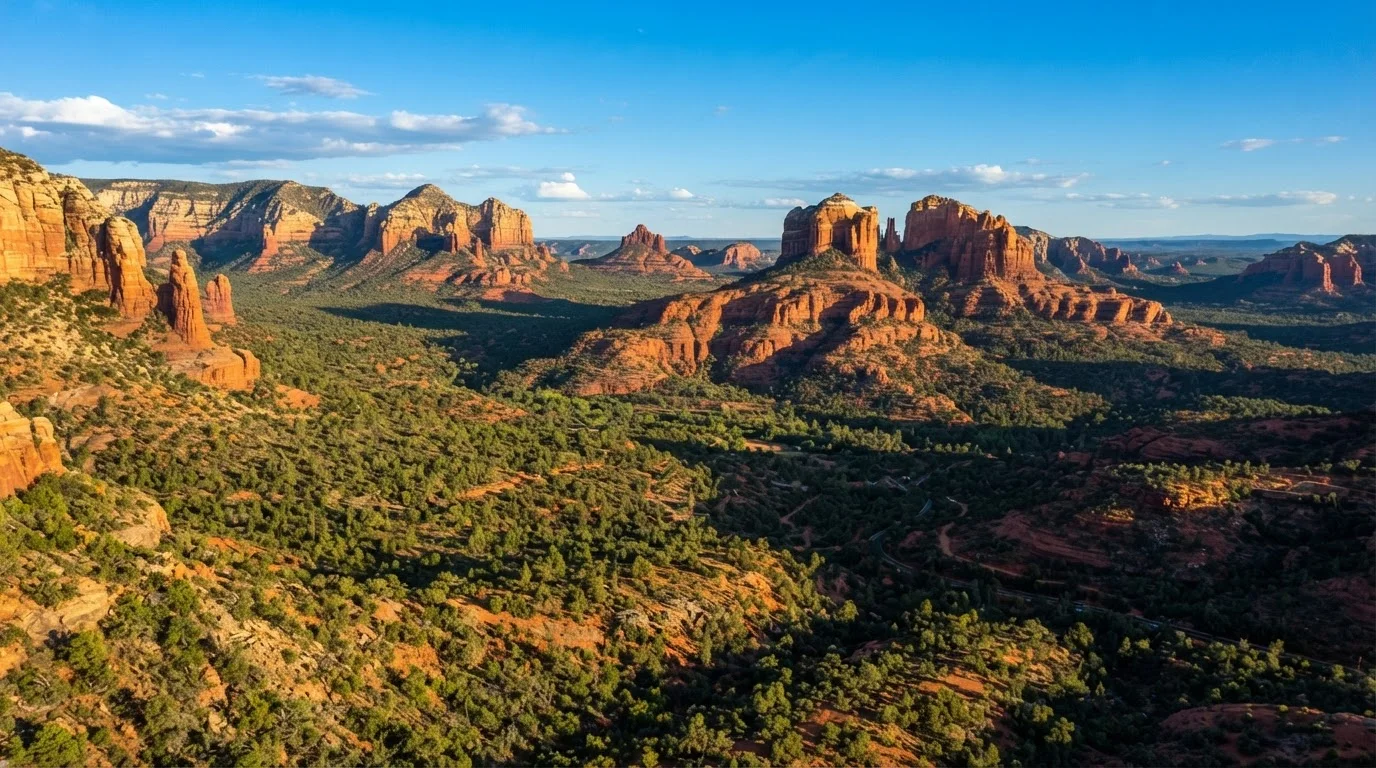
Preparation, not pessimism, is the takeaway here. Sedona's landscape is every bit as dramatic as advertised - the red rock formations, the canyon light at dusk, the sheer scale of the terrain. Getting there with accurate expectations means you spend less time problem-solving and more time actually looking at the view.
3M+
Annual visitors to Sedona's red rock area
Coconino National Forest figures indicate the Sedona area consistently draws over three million recreational visitors per year.
4,500 ft
Sedona's approximate elevation above sea level
Sedona sits notably higher than Phoenix (about 1,100 ft), and altitude effects can be felt by visitors traveling from sea-level cities.
The content on this site is for informational purposes only and is not a substitute for professional advice. Always consult a qualified professional for guidance specific to your situation.