

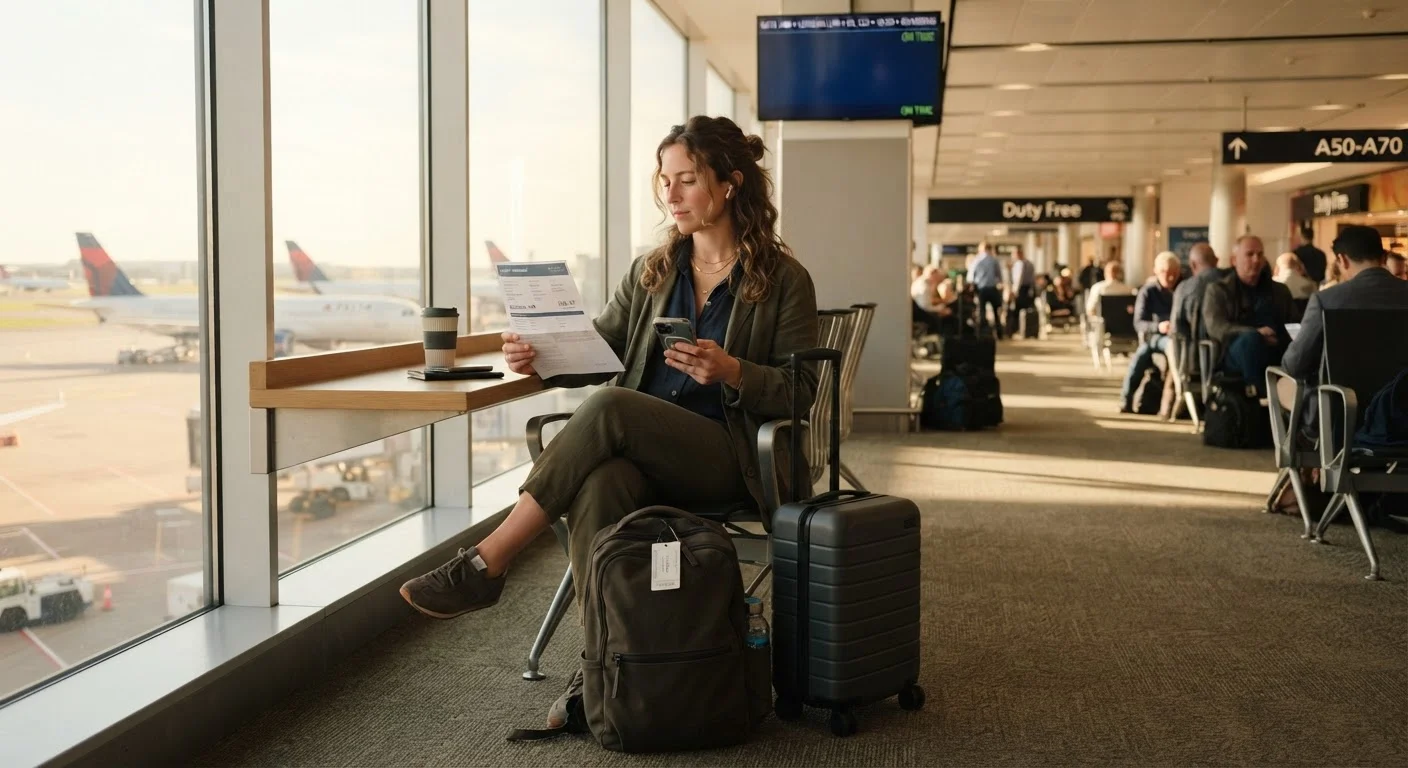
Why Solo Travel Demands a Different Kind of Planning
When you travel with others, the mental load of logistics gets distributed. Someone remembers the confirmation number; someone else handles the map. Solo travel collapses all of that onto one person - you. That's not a reason to avoid it. It's a reason to plan differently.
The goal isn't to over-schedule every hour, but to reduce friction at the moments when friction is most costly: a missed connection at midnight, a lost wallet in an unfamiliar city, a language barrier at a pharmacy. Solid logistics planning means those moments become manageable problems rather than crises. For a useful contrast on how coordination works when others are involved, see group travel logistics.
Building a Booking System That Actually Works
Scattered confirmations across five apps and a cluttered inbox create real problems when you're jet-lagged and need your hotel address fast. Before departure, consolidate everything - flights, accommodations, ground transport, activity reservations - into a single itinerary document. A simple shared Google Doc or a dedicated travel app works well. The format matters less than the consistency.
Create one master itinerary document and share it with your emergency contact.
When everything lives in one place, you spend less cognitive energy locating information under stress. Your home contact also has what they need if they must help you remotely.
Download offline maps and key documents before leaving Wi-Fi range.
International data can be unreliable or expensive, and connectivity gaps often coincide with the moments you need navigation most. Offline access eliminates dependency on a live connection.
Carry small amounts of local cash even if you primarily use cards.
Card readers fail, networks go down, and some local vendors and transportation options are cash-only. A modest cash reserve prevents being stranded by payment system failures.
Build at least one buffer day into every multi-destination itinerary.
Disruptions - weather delays, illness, missed connections - cascade badly in tight itineraries. A buffer day absorbs the unexpected without unraveling your entire schedule.
When choosing accommodations, solo travelers have specific considerations beyond cost and location. Properties with 24-hour front desks offer a meaningful safety advantage. Hostels with strong common areas can help ease the social isolation that sometimes surfaces on longer solo trips - a factor worth weighing alongside privacy preferences. For deeper guidance on choosing accommodation as a solo traveler, grounded advice is available.
Safety Infrastructure: Before You Leave Home
The most effective safety measures for solo travelers happen before the trip, not during it. Designate one or two trusted contacts at home - people who know your general itinerary and how to reach you. Establish a simple check-in rhythm: a brief message every day or two confirming you're fine. This doesn't need to be elaborate, but it should be consistent enough that your contact would notice if it stopped.
Register your trip with the U.S. State Department's Smart Traveler Enrollment Program (STEP) if you're traveling internationally. This free service means the nearest U.S. embassy can reach you during emergencies and provides updated safety alerts. Photograph your passport, travel insurance card, and key booking confirmations; store copies in a cloud service accessible from any device. The financial risks of skipping these steps are outlined in what happens when travelers skip basic preparation.
When Things Go Wrong: A Framework for Recovery
No itinerary survives contact with reality completely intact. Flights get cancelled. Accommodation bookings fall through. Illness happens. Solo travelers face these moments without a partner to divide tasks - which makes having a mental framework in advance genuinely useful.
Travel Insurance Is Not One-Size-Fits-All
Policies vary widely in what they cover - trip cancellation, medical emergencies, evacuation, and baggage loss are separate line items in most plans. Solo travelers should pay particular attention to emergency medical evacuation coverage, since the cost of a medical transport without insurance can reach tens of thousands of dollars. Review policy exclusions carefully, and verify whether pre-existing conditions affect coverage. Always read the fine print before purchasing.
Start by building buffer time into your schedule, particularly around connections and arrival in new cities. A tight layover is manageable with a travel companion; alone, it's high-stakes. When disruption does occur, prioritize in this order: safety and shelter first, communication with your home contact second, logistics recovery third. Most airline and accommodation issues have resolutions that take time but aren't emergencies - treat them accordingly.
Travel insurance deserves particular attention for solo travelers. A policy with emergency medical evacuation coverage is especially valuable when you don't have a companion to advocate for you in a medical setting. Read policy terms carefully before purchasing, and keep the claims number accessible offline. Packing decisions also play into recovery capacity - a well-organized bag makes a disrupted day far easier. The guide to packing light without regret offers a practical framework.
Solo travel rewards preparation, not perfection. The logistics work you do before departure is what frees you to be present - and genuinely curious - once you arrive.
The content on this site is for informational purposes only and is not a substitute for professional advice. Always consult a qualified professional for guidance specific to your situation.