

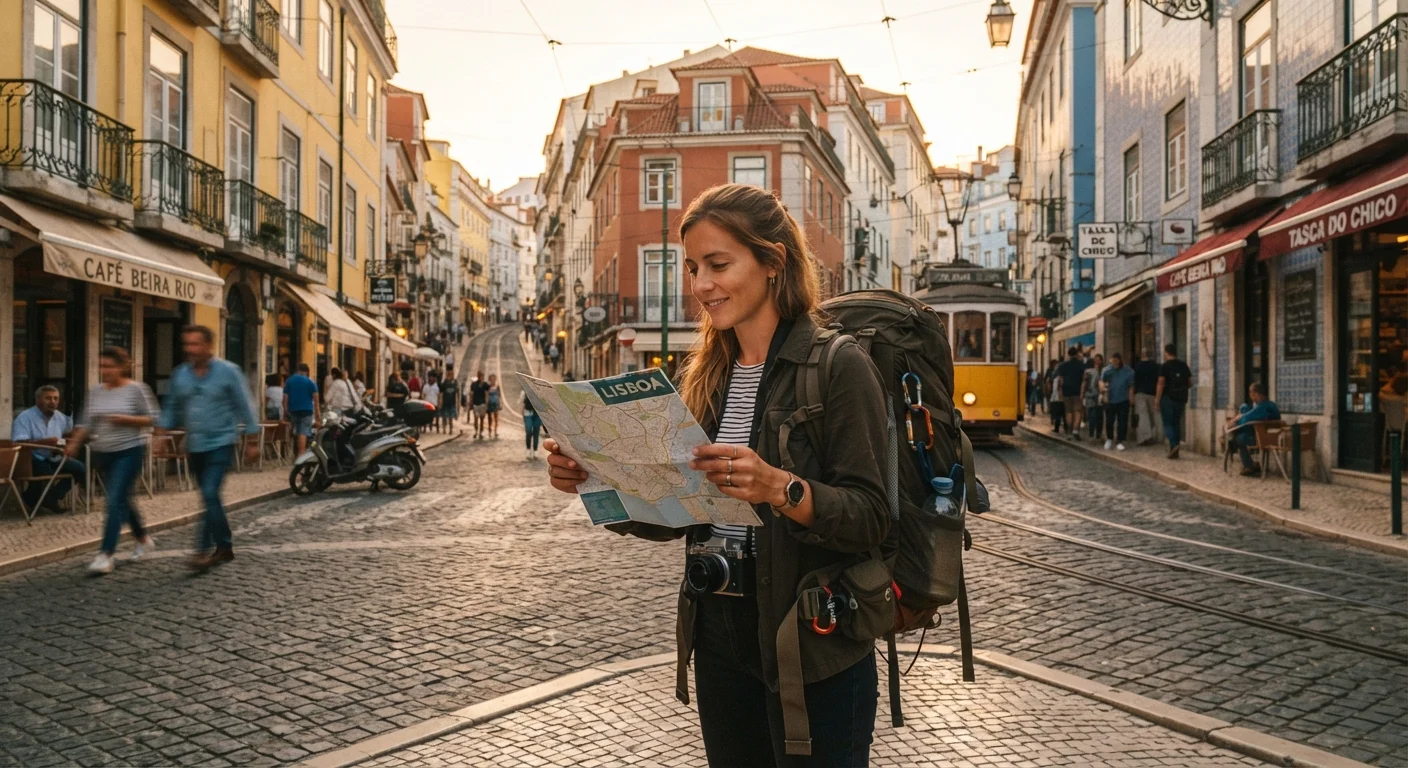
Why Solo Safety Is About Mindset, Not Fear
Solo travel carries a reputation for danger that doesn't always match reality - and one that sometimes obscures the genuine risks worth planning for. The goal isn't to travel fearlessly; it's to travel thoughtfully. That distinction shapes everything from how you research a destination to how you respond when something feels off in the moment.
Confidence on the road isn't something most travelers arrive with fully formed. It develops through small, repeatable habits: knowing where your embassy is, having a backup plan for lost documents, understanding what a neighborhood feels like at different times of day. These aren't instincts you either have or don't - they're skills. And they're learnable before you ever board a plane.
It's also worth confronting the ways reassuring assumptions can quietly mislead. Common travel safety myths - like the idea that tourist areas are inherently safe or that travel insurance covers every scenario - can create exactly the kind of false confidence that leaves travelers underprepared.
~25M
Americans travel solo annually
Industry research consistently estimates tens of millions of U.S. adults take at least one solo trip per year, with the number growing steadily.
72%
Solo travelers feel more confident after first trip
Surveys of solo travelers regularly find that the majority report stronger confidence and self-reliance after completing their first solo trip.
#1
Preparation cited as top safety factor
Across multiple traveler surveys, pre-trip research and preparation consistently rank as the single most important factor in feeling safe while traveling alone.
Before You Leave: Research and Preparation
Preparation done well doesn't eliminate spontaneity - it creates the foundation that makes spontaneity safe. Start with official government travel advisories (the U.S. State Department's travel.state.gov is a reliable starting point) and cross-reference with independent traveler accounts and destination-specific forums. No single source tells the complete story. For a fuller picture of which sources to weight and why, see our guide on how to evaluate destination research sources.
Key preparation tasks before departure include: registering with the STEP program (Smart Traveler Enrollment Program) through the State Department so the nearest U.S. embassy can reach you in an emergency; making digital and physical copies of your passport, visa, insurance documents, and key contacts; and confirming your health insurance covers international travel or purchasing supplemental travel insurance. Verify visa and entry requirements directly with official government sources - these change, and secondhand information goes stale.
Register Before You Fly
The U.S. State Department's free STEP (Smart Traveler Enrollment Program) takes five minutes to complete and gives the nearest American embassy a way to reach you during emergencies, natural disasters, or political unrest. It also allows family to locate you through official channels if needed. Register at travel.state.gov before departure.
If you're planning your first independent trip and want a full logistics framework, our complete walkthrough for first-time independent travelers covers the pre-departure process from destination research through day-of logistics.
Choosing Accommodation with Safety in Mind
Where you sleep shapes your daily safety calculus in ways that aren't always obvious when booking from home. Consider the neighborhood's character at the hours you'll actually be using it - not just midday, but late evening when you return from dinner. A property that looks central on a map may sit on a street that feels very different after dark.
For solo travelers, specific features worth evaluating include: 24-hour front desk access, in-room door locks that don't rely solely on key cards, well-lit entrances and corridors, and whether the property has a functional safe for valuables. Hostels with active common areas can offer social connection and informal community safety - other travelers notice things. Private guesthouses or locally run hotels often provide a more personalized sense of who's coming and going.
When evaluating a neighborhood, search its name alongside the words 'at night' or 'after dark' in travel forums - not just general reviews. Daytime impressions and nighttime realities often diverge significantly.
Accommodation reviews tend to reflect daytime arrival conditions. The pedestrian environment during evening hours, when solo travelers are most likely walking to and from dinner, is what actually affects safety.
Book your first night's accommodation before arrival, even if you plan to be flexible afterward. Arriving in an unfamiliar city tired and without a destination is when poor decisions get made.
Decision fatigue after travel affects judgment. Having a confirmed, researched place to land removes the most vulnerable moment of any solo trip from the equation entirely.
For deeper guidance on the logistics of accommodation selection alongside other solo-specific planning considerations, our article on solo travel logistics offers a practical framework.
Staying Connected and Visible
Being reachable isn't about constant check-ins - it's about ensuring someone at home knows where you are, where you're going next, and when to be concerned if they don't hear from you. Share a rough itinerary before you leave, and update it when plans change significantly. Agree on a simple check-in rhythm that doesn't feel like surveillance but provides a meaningful safety net.
On the digital side, a local SIM card or an international data plan keeps you navigable and reachable without depending on Wi-Fi. Download offline maps for your destination before arrival. Keep your phone charged, and carry a small portable battery. For broader guidance on protecting your data and staying secure online while traveling, the online safety and privacy hub covers practical steps relevant to travelers using unfamiliar networks.
Public Wi-Fi Carries Real Risk
Using unsecured public Wi-Fi in cafés, airports, and hotels can expose your financial accounts, email, and personal data to interception. Avoid logging into banking or sensitive accounts on public networks. A VPN (virtual private network) adds a layer of encryption - research options before departure rather than scrambling to find one abroad.
Reading the Room: Situational Awareness on the Ground
Situational awareness is less about vigilance and more about presence - the simple habit of noticing your surroundings rather than moving through them on autopilot. It means walking with your head up, knowing the general layout of a neighborhood before wandering into it, and paying attention when something in an environment shifts unexpectedly.
Practically, this looks like: identifying the exits when you enter a new space, noting where your phone and wallet are before entering a crowd, and being honest with yourself when a situation or a person makes you uneasy. That discomfort is data worth acting on. For a more thorough treatment of how to develop this skill without tipping into anxiety, see our piece on situational awareness as a learnable travel skill.
Trusting Your Instincts Without Letting Anxiety Run the Trip
There's a meaningful difference between a gut reaction grounded in real observation and generalized anxiety fed by worst-case headlines. Both feel like caution, but only one is reliable guidance. Learning to tell them apart - and to act on the former while not being paralyzed by the latter - is arguably the most practical solo travel skill of all.
When something feels wrong, the response doesn't have to be dramatic. Cross the street. Enter a shop. Ask for help from a nearby family or business owner. Have a simple excuse ready for exits that need to feel natural. These low-key strategies remove you from uncomfortable situations without escalation.
The broader companion to this guide - a practical walkthrough of pre-trip and on-the-ground preparation - goes deeper into how to build these habits systematically before your first solo trip. And for the full travel planning picture, our hub brings together destination research, logistics, and safety considerations in one place.
This article is for general informational purposes only. Travel conditions, entry requirements, and safety situations change frequently. Always verify current conditions through official government sources and consult qualified professionals for health, legal, or insurance decisions relevant to your trip.
The content on this site is for informational purposes only and is not a substitute for professional advice. Always consult a qualified professional for guidance specific to your situation.