

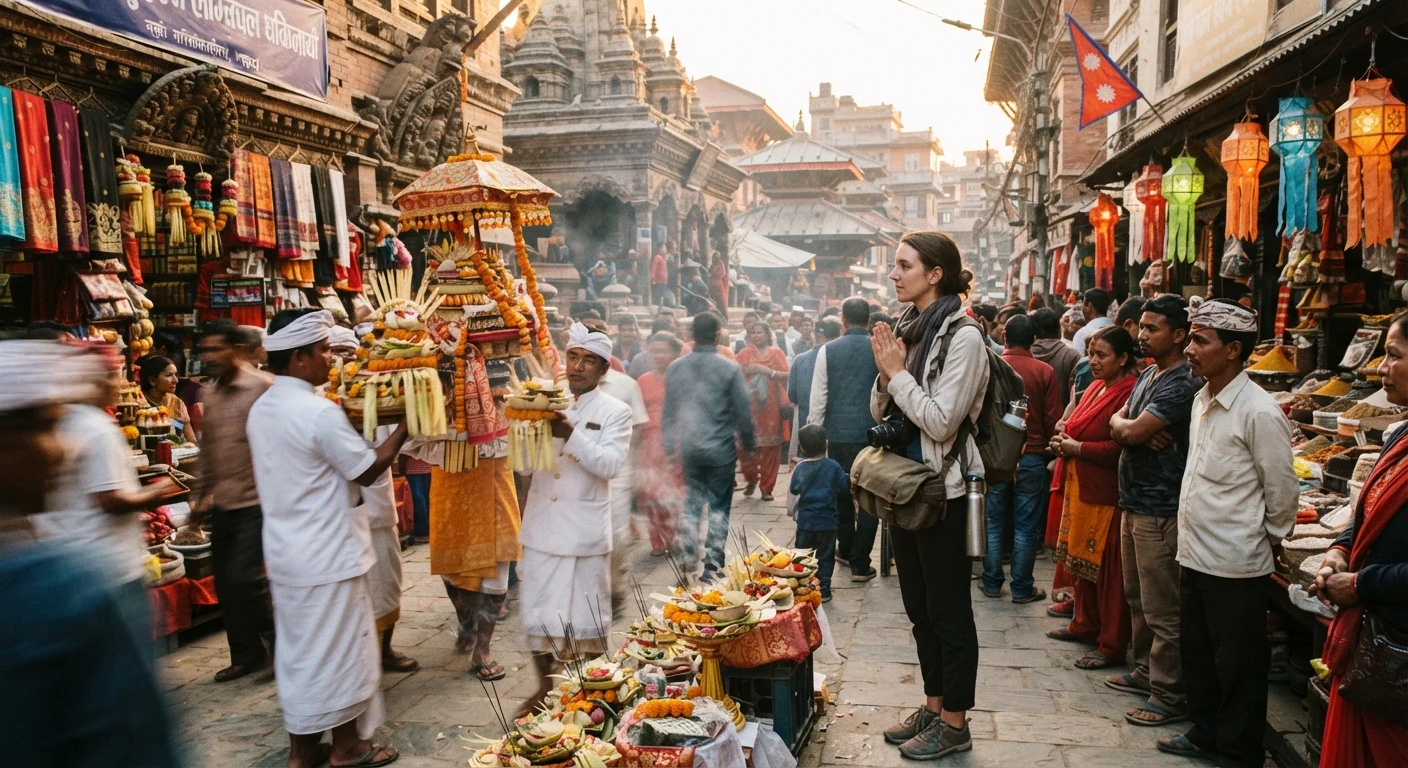
When Politeness and Safety Overlap
Most travelers think about cultural awareness as a matter of courtesy - a way to show respect and avoid causing offense. That's true, but it's only half the picture. In practice, understanding and observing local norms is also one of the most underrated safety tools in your travel kit.
Missteps - even unintentional ones - can draw the wrong kind of attention. They can mark you as an outsider who doesn't understand the environment, invite confrontation in sensitive public spaces, or create friction with locals or authorities in places where certain behaviors carry real legal or social consequences. Respectful cultural awareness and personal safety reinforce each other in ways many travelers never consider until something goes wrong.
The good news: a modest amount of research before any trip can close most of that gap. As situational awareness on the road is a learnable skill, so is cultural fluency - and both work best when you practice them together.
Research dress codes before you pack
What you wear signals far more than personal style when you're abroad. In many religious sites - mosques, temples, cathedrals, shrines - exposed shoulders or uncovered heads are not merely frowned upon; entry may be denied or, in some contexts, confrontation may follow. In conservative communities outside tourist centers, Western casual dress can attract persistent, unwanted attention that goes well beyond discomfort.
Check destination-specific guidance on attire for both sacred spaces and general public life. A lightweight scarf or convertible pants takes up almost no space and can shift an entire interaction. Dressing with basic contextual awareness also reduces your profile as an obvious outsider unfamiliar with local norms.
Appropriate dress at religious sites can prevent confrontation and ensure access without incident.
Understand what gestures mean locally
Hand gestures that seem completely neutral - or even friendly - in the US can be deeply offensive or provocative elsewhere. A thumbs-up is considered vulgar in parts of the Middle East and West Africa. The "okay" sign carries offensive connotations in several countries. Beckoning someone with a finger, pointing directly at people, or using your left hand to pass items can all carry negative meanings depending on the cultural context.
Before traveling, spend ten minutes researching common gesture pitfalls for your specific destination. Inadvertent offense can cool local goodwill quickly, making you more isolated or vulnerable in environments where you might otherwise have had helpful bystanders.
A gesture that feels friendly at home can provoke genuine conflict in the wrong context abroad.
Know the rules around photography
Photographing people, military installations, government buildings, religious ceremonies, or certain public infrastructure is restricted or outright illegal in many countries. Violating these norms - even unknowingly - can result in confiscation of your equipment, detention, fines, or worse. Beyond legality, pointing a camera at people without permission can feel deeply intrusive and provoke aggressive reactions in communities where this is considered disrespectful.
Always research photography restrictions before visiting a new country, and when in doubt, ask before shooting. Observing what local photographers and tourists do around you is a useful real-time guide. Official travel advisories sometimes include photography warnings worth reading carefully.
Unauthorized photography near government buildings or ceremonies can lead to detention in some countries.
Learn how gender norms affect public behavior
Gender dynamics vary dramatically around the world and can directly affect your safety. In some destinations, solo women travelers face heightened scrutiny or restriction in certain spaces. In others, mixed-gender public displays of affection - even hand-holding - are socially taboo or legally problematic for any traveler. Same-sex couples face serious legal risk in a number of countries where same-sex relationships are criminalized.
These aren't abstract considerations. Travelers who understand the gender and relationship norms of their destination can make more informed decisions about where to go, how to present publicly, and what situations to avoid - choices that directly influence safety outcomes. Consulting LGBTQ+ travel resources and government advisories provides more destination-specific detail.
Understanding local gender and relationship norms can directly inform safer decisions on the ground.
Respect religious observances and sacred spaces
Religious calendars shape daily life in ways that outsiders may not anticipate. During Ramadan, for example, eating, drinking, or smoking in public during daylight hours is restricted in many Muslim-majority countries and carries social or legal consequences. Entering a place of worship without removing shoes, covering your head, or observing silence can cause real friction - not simply mild disapproval.
Being aware of major local religious observances at the time of your visit helps you navigate these environments with both respect and safety. It also helps you anticipate practical realities: some businesses close during prayer times, alcohol service may be restricted on certain days, and large religious gatherings can create crowd-management situations worth being prepared for.
Ignoring active religious observances can lead to legal consequences in some destinations.
Avoid behaviors that mark you as an easy target
Cultural unawareness and petty crime risk are more connected than many travelers realize. Loudly broadcasting confusion, visibly consulting paper maps in transit hubs, wearing conspicuous tourist gear, or behaving in ways that clearly signal unfamiliarity with a place all increase your profile as someone who might be easily exploited. Locals who intend to scam or misdirect tourists specifically watch for these signals.
Blending in - not just sartorially but behaviorally - is a meaningful protective measure. Walk with purpose even when you're uncertain. Step into a shop or café to consult your phone rather than pausing in a crowded thoroughfare. This connects directly to the patterns described in our guide on why travelers underestimate petty crime: awareness lapses and unfamiliarity are often what opportunists are watching for.
Behavioral blending - not just dress - meaningfully reduces your profile as a vulnerable outsider.
Putting Cultural Awareness Into Practice
Cultural preparedness isn't about memorizing an exhaustive rulebook - it's about building enough context to read situations accurately and respond with confidence rather than confusion. The travelers who navigate unfamiliar environments most gracefully tend to be curious, observant, and willing to follow the lead of locals around them.
Quick Research Goes a Long Way
Even 30 minutes of destination-specific research before departure can meaningfully reduce cultural missteps. Look for traveler forums, government travel advisories, and destination-specific cultural guides that address dress, behavior, photography, and local laws. Be cautious of sources that oversimplify - norms can vary significantly between urban and rural areas of the same country.
If you're traveling solo, the stakes of cultural missteps can feel higher, since there's no travel companion to course-correct alongside you. Solo travel safety involves many layers, and cultural literacy is one of the most empowering. Likewise, cultural blind spots often compound other vulnerabilities - including those explored in our guide on why travelers underestimate petty crime.
Ultimately, showing genuine respect for the places you visit isn't a constraint on your experience - it deepens it. Travelers who engage thoughtfully with local norms tend to have richer, safer, and more memorable trips.
This article is for general informational purposes only. Travelers should verify entry requirements, local laws, and safety conditions with official government sources and their country's foreign affairs or travel advisory agency before departure.
The content on this site is for informational purposes only and is not a substitute for professional advice. Always consult a qualified professional for guidance specific to your situation.