

Start here
Choosing the Right Spot
Foundation step
Preparing Your Soil
Plan your crops
Deciding What to Grow
Get growing
Sowing Seeds and Planting
Keep it thriving
Watering, Feeding, and Ongoing Care
Choosing the Right Spot
Sunlight is the most critical variable in vegetable gardening. Most food crops - tomatoes, peppers, beans, cucumbers - need a minimum of six hours of direct sun per day to produce well. Observe your yard across a full day before committing to a location. South-facing areas typically get the most consistent light in the Northern Hemisphere.
Proximity to a water source matters too. A garden far from a hose or spigot quickly becomes a chore. Look for a relatively flat area with decent natural drainage; low-lying spots that collect water after rain can drown roots and invite disease. Avoid placing your bed directly under mature trees, which compete aggressively for water and nutrients and cast dense shade.
Start Small to Build Confidence
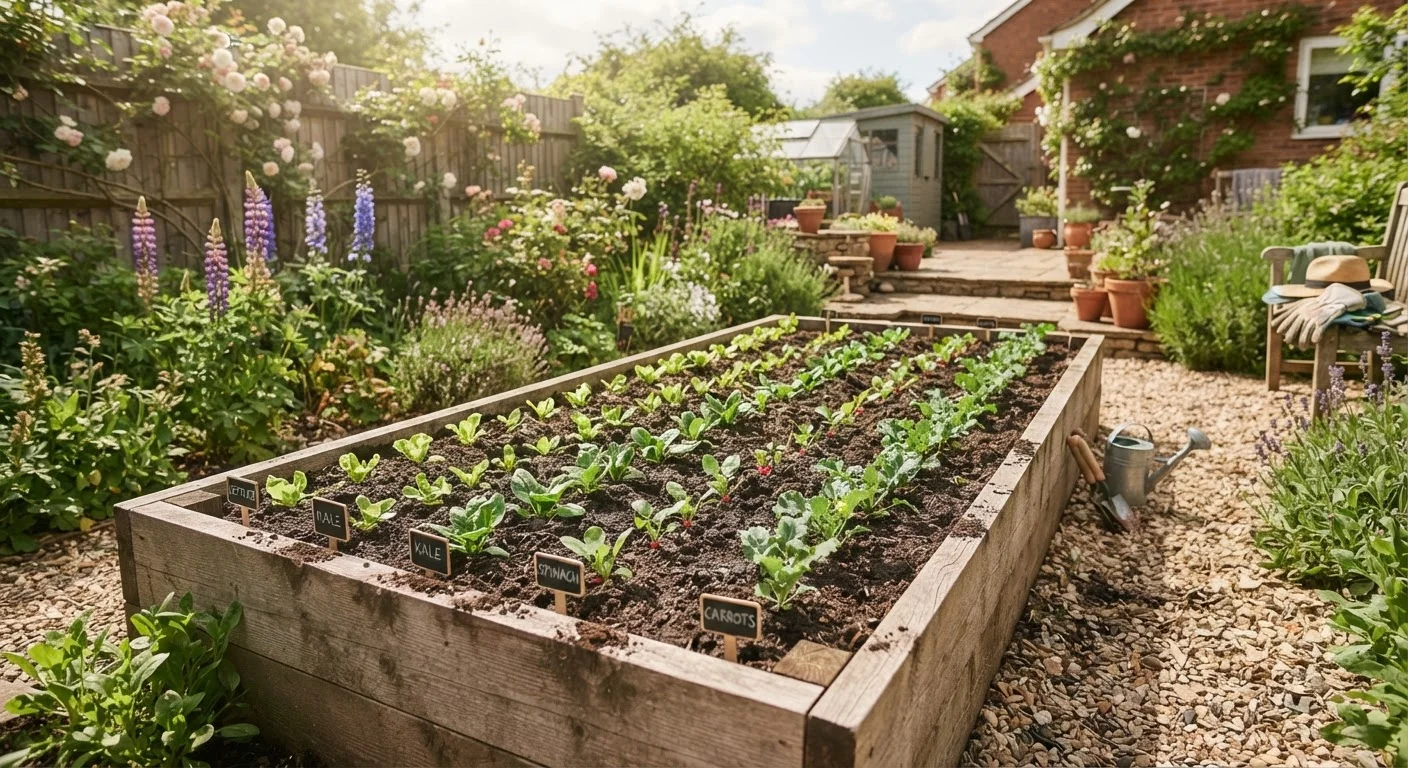
A 4×8 foot raised bed or a small in-ground plot is enough to grow a rewarding first harvest. Keeping the garden manageable means you'll stay on top of watering and weeding without burning out. You can scale up once you have a season of experience behind you.
For a deeper look at how site conditions affect seasonal planning, see our spring garden readiness checklist before you break ground.
Preparing Your Soil
Good soil is the foundation of every productive vegetable garden. Vegetables thrive in loose, well-draining soil loaded with organic matter. Before planting, use a garden fork or spade to loosen the top 10-12 inches of soil, breaking up any compacted clumps.
Incorporate compost generously - a 2-3 inch layer worked into the top several inches of soil dramatically improves both drainage in clay soils and water retention in sandy ones. If you don't yet have a home compost system, our guide to composting at home explains how to start one simply and affordably.
Direct sowing
Planting seeds directly into the garden bed outdoors, rather than starting them in containers indoors first.
Transplant
A young plant that was started in a container and is then moved into the garden bed to continue growing.
Soil pH
A measure of how acidic or alkaline your soil is, rated on a scale from 0 to 14. Most vegetables grow best in slightly acidic to neutral soil, around pH 6.0-7.0.
Organic matter
Decomposed plant or animal material - such as compost - that improves soil structure, drainage, and nutrient availability.
Cool-season crops
Vegetables that grow best in cooler temperatures (spring or fall) and can often tolerate a light frost, such as lettuce, peas, and spinach.
Mulching
Applying a layer of material like straw or shredded leaves over garden soil to reduce moisture loss, regulate temperature, and limit weed growth.
A basic soil pH test (available at garden centers) can confirm whether your soil is within the slightly acidic to neutral range (roughly 6.0-7.0) that most vegetables prefer. Amendments like garden lime or sulfur can adjust pH gradually over time if needed.
Deciding What to Grow
Matching your crop choices to your climate, available space, and cooking habits makes gardening far more rewarding. Begin with a short list - three to five crops is plenty for a first garden. Prioritize vegetables your household actually eats.
Cool-season crops such as lettuce, spinach, peas, and radishes grow well in spring and fall and can tolerate light frosts. Warm-season crops - tomatoes, zucchini, peppers, and beans - need settled warm temperatures and go in after your region's last frost date.
There's also an important early decision between starting from seed or purchasing transplants. Each approach has practical trade-offs worth understanding before you buy anything. Our article growing from seed vs. buying transplants walks through the considerations in detail.
Sowing Seeds and Planting
Seed packets are your most reliable source of planting instructions. They specify sowing depth, spacing, days to germination, and days to maturity - all calibrated to that specific variety. Follow these instructions closely rather than guessing.
For direct-sown crops like carrots, beans, and radishes, create shallow furrows in your prepared soil, drop seeds at the recommended spacing, cover lightly, and firm the soil gently. Water with a gentle spray to avoid displacing seeds. For transplants, dig a hole slightly larger than the root ball, set the plant so the base of the stem sits at soil level, and firm the soil around it before watering thoroughly.
Don't Skip Thinning Your Seedlings
When seeds germinate closely together, the resulting crowding reduces airflow and creates conditions where fungal diseases spread easily. Thin seedlings to the spacing recommended on the seed packet as soon as they develop their first true leaves. Thinning now leads to healthier, more productive plants later.
Thin seedlings promptly once they sprout. Overcrowding is one of the most common beginner mistakes - it reduces airflow, invites disease, and stunts development. It feels counterintuitive to remove healthy plants, but giving each one adequate space pays off.
Watering, Feeding, and Ongoing Care
Most vegetable gardens need approximately one inch of water per week. Deep, infrequent watering - rather than a light daily sprinkle - encourages roots to grow deeper into the soil, making plants more resilient during dry spells. Water at the base of plants rather than overhead when possible, as wet foliage can encourage fungal problems.
Mulching around plants with straw, shredded leaves, or wood chips conserves soil moisture, moderates temperature fluctuations, and suppresses weeds. A 2-3 inch layer applied after seedlings are established can significantly reduce how often you need to water.
For feeding, compost-enriched soil often carries new plants through their early weeks. As heavy-producing crops like tomatoes and squash hit their stride, a general-purpose balanced fertilizer applied according to package directions can support continued growth. Avoid over-fertilizing with nitrogen, which favors leafy growth at the expense of fruit.
Stay attentive to your garden throughout the season. Check regularly for pests, wilting, yellowing leaves, or other signs that a plant needs attention. Many problems are easiest to address when caught early.
Frequently Asked Questions
A plot as small as 4×4 feet can yield a meaningful harvest of salad greens, herbs, and radishes. Starting small reduces overwhelm and lets you learn the basics before expanding. You can always add more beds in future seasons.
Timing depends on your USDA hardiness zone and the crops you want to grow. Cool-season vegetables like lettuce and peas can go in several weeks before the last frost, while warm-season crops like tomatoes and squash need frost-free conditions. Check your local cooperative extension service for frost date guidance.
Both methods work well. In-ground beds are lower cost and suit many yards; raised beds give you control over soil quality and improve drainage in heavy clay soils. Your choice should depend on your existing soil quality and budget.
Most vegetables benefit from about one inch of water per week, either from rain or irrigation. Water deeply and less frequently to encourage roots to grow downward. Seedlings and newly transplanted starts need more attention until established.
Lettuce, radishes, green beans, zucchini, and cherry tomatoes are widely considered forgiving choices for new gardeners. They germinate reliably, grow quickly, and give visible results that keep beginners motivated.
If you begin with compost-enriched soil, many vegetables will do well without additional fertilizer, especially early in the season. As plants mature and heavy-feeding crops like tomatoes start producing, a balanced, general-purpose fertilizer can support continued growth.
The content on this site is for informational purposes only and is not a substitute for professional advice. Always consult a qualified professional for guidance specific to your situation.