

What a Security Deposit Is - and Isn't
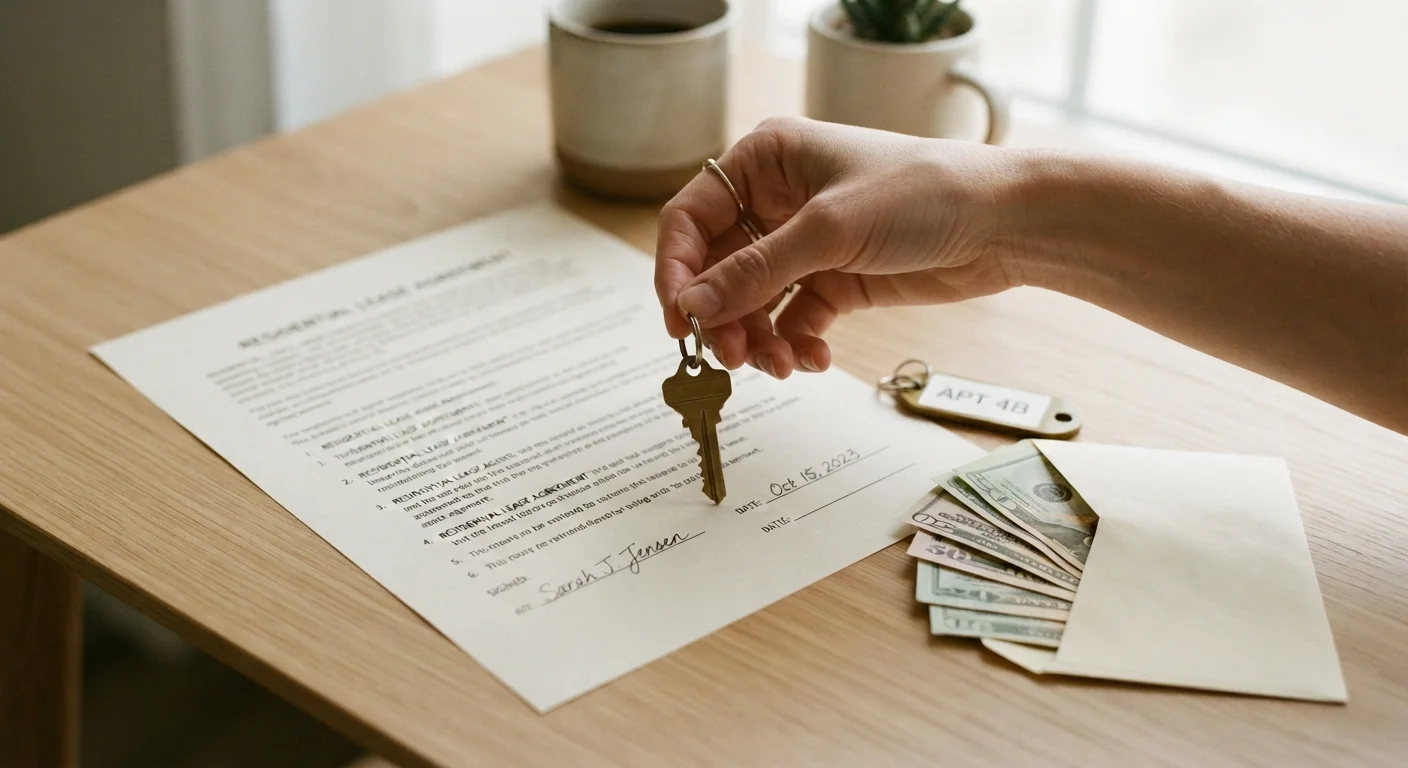
Before signing a lease, renters typically hand over a security deposit equal to one or two months' rent. This money serves as a landlord's financial safety net, but it is crucial to understand: the deposit still belongs to you. Landlords hold it in trust. Unless there is a legitimate, documented reason to keep part or all of it, the full amount must come back to you after you move out.
Security deposits are distinct from other upfront rental costs. Application fees, pet deposits, and last month's rent may be collected separately depending on the lease - and each has different legal treatment. If you're also exploring homeownership options, note that a security deposit is entirely different from an earnest money deposit used in a home purchase. See our explanation of earnest money deposits for a comparison.
State Law Governs the Details
Security deposit rules are set at the state level, and sometimes reinforced by local ordinances. This means deposit caps, return deadlines, and interest requirements differ depending on where you rent. Always look up your specific state's landlord-tenant statute - most state attorney general websites publish plain-language tenant guides. See also tenant rights every renter should know for a broader overview.
What Landlords Can Legally Deduct
Landlords are permitted to withhold part or all of a security deposit for specific, documented reasons. Common legally valid deductions include:
- Unpaid rent: Any rent balance you owe at move-out can be taken from the deposit.
- Damage beyond normal wear and tear: Broken fixtures, large holes in walls, stained or burned carpet, or missing appliances are examples of tenant-caused damage a landlord can charge for.
- Unauthorized alterations: Painting walls non-approved colors or installing fixtures without permission may be charged if the landlord restores the unit.
- Excessive cleaning costs: If you leave the unit in a condition significantly dirtier than when you moved in, documented cleaning fees may be deducted.
Critically, every deduction should be supported by an itemized written statement. Vague claims like "general repairs" without receipts or invoices are not sufficient under most state laws.
14-45
Days states allow landlords to return deposits
State landlord-tenant statutes vary widely; tenants should look up their specific state's deadline to know when they can expect their funds.
2-3×
Deposit penalty in many states for wrongful withholding
Multiple states, including California, Texas, and Massachusetts, allow tenants to sue for two to three times the wrongfully withheld deposit amount.
1-2 months
Typical security deposit cap under state law
Many states set a statutory maximum of one or two months' rent as the deposit ceiling, though amounts vary by state and sometimes by city.
What Landlords Cannot Keep: Normal Wear and Tear
The phrase normal wear and tear is central to every security deposit dispute. It refers to the gradual, inevitable deterioration of a rental unit that results from ordinary living - not from carelessness or neglect. Landlords cannot legally charge tenants for it.
Examples of normal wear and tear typically include:
- Small nail holes from hanging pictures
- Faded or lightly scuffed paint after several years
- Carpet worn thin from regular foot traffic
- Minor scratches on hardwood floors
- Loose door hinges from repeated use
By contrast, large holes in drywall, deep carpet stains from spills, or broken windows would generally fall outside normal wear and tear. The distinction often determines who wins a small claims court dispute - so documentation matters enormously.
Document Everything at Move-In
Take timestamped photos or video of every room, appliance, and surface on the day you move in - before placing any of your belongings. Email your landlord a copy of your documentation so there is a dated, written record both parties have received. This single habit resolves most deposit disputes before they reach a courtroom.
How to Protect Your Deposit From Day One
The best defense against unfair deductions is a thorough move-in inspection. Before you unpack a single box, walk through every room and document its condition in writing and with dated photographs or video. Note every pre-existing scratch, stain, or broken item and share a copy with your landlord in writing, keeping your own record.
Our pre-move-in inspection checklist walks you through this process room by room. This documentation is your strongest evidence if a dispute arises later.
At move-out, clean thoroughly, repair any damage you caused, and request a walk-through with your landlord before returning keys. This gives you a chance to address issues before they become deductions. For a full approach to maximizing your deposit return, see our guide on moving out without losing your deposit.
When a Landlord Doesn't Follow the Rules
State laws impose real consequences for landlords who fail to return deposits properly. If a landlord misses the return deadline, withholds the deposit without a written itemization, or makes deductions that don't hold up legally, tenants often have meaningful recourse.
Steps to take if you believe your deposit was wrongfully withheld:
- Send a written demand letter citing your state's specific statute and deadline.
- File a complaint with your local housing authority or tenant protection office if the landlord doesn't respond.
- Take the matter to small claims court, where filing fees are low and many tenants successfully represent themselves.
Many states allow tenants to recover double or triple the withheld amount as a penalty for landlord non-compliance. Knowing these rights makes a difference - and landlords who count on tenants not knowing them may be surprised. Our article on renter's rights landlords hope you don't know covers additional protections worth understanding.
This article provides general educational information about security deposits and is not legal advice. Laws vary by state and local jurisdiction. Consult a qualified attorney or tenant rights organization for guidance specific to your situation.
Frequently Asked Questions
Return deadlines vary by state, typically ranging from 14 to 45 days after you move out and return the keys. Some states allow less time if no deductions are made. Check your specific state's landlord-tenant statute for the exact window.
No. Normal wear and tear - such as small nail holes, minor scuffs on walls, or carpet worn from regular foot traffic - cannot legally be charged to a tenant. Deductions must reflect damage beyond what's expected from ordinary daily use.
Many states impose financial penalties on landlords who fail to return deposits on time without valid cause. Depending on the state, tenants may be entitled to recover double or even triple the deposit amount, plus attorney fees, if they take the matter to small claims court.
In most states, yes. Landlords are required to send an itemized written statement of all deductions along with any remaining deposit balance. Receipts or invoices for claimed repairs may also be required. Failing to provide this can forfeit the landlord's right to keep any portion of the deposit.
Yes. The security deposit is a ceiling on what can be withheld automatically, not a cap on your liability. If documented damage costs exceed the deposit, a landlord may pursue the remaining amount through small claims court.
Only if your lease explicitly allows it. Most leases prohibit this, and doing so without permission can be considered a lease violation. Always review your lease terms and get written landlord approval before offsetting the deposit against rent.
The content on this site is for informational purposes only and is not a substitute for professional advice. Always consult a qualified professional for guidance specific to your situation.