

Why Glacier Requires a Different Mindset
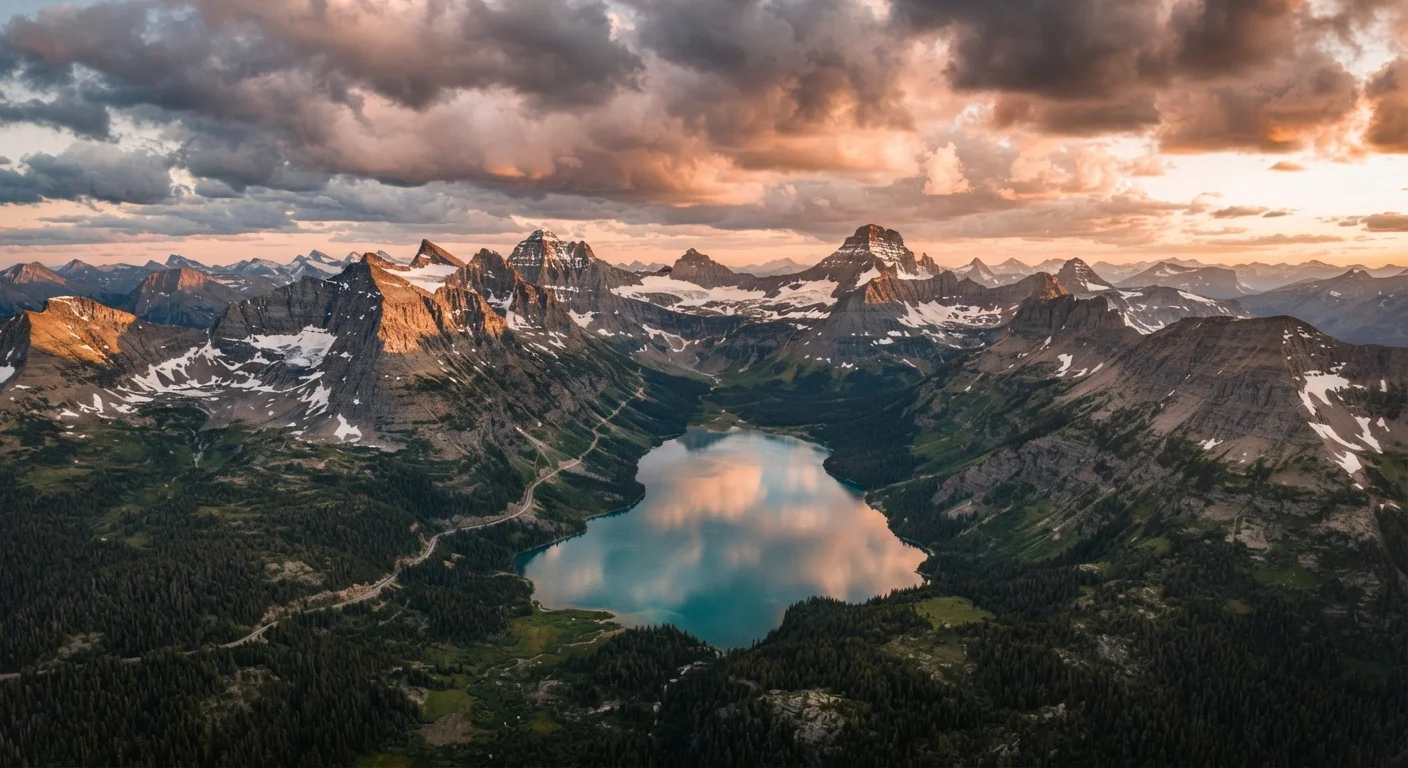
Most national parks allow a degree of spontaneity. Glacier National Park, tucked into the northern Rockies of Montana along the Canadian border, is not that kind of place. Its remoteness, compressed season, and permit-gated access to key corridors mean that showing up underprepared isn't just inconvenient - it can mean missing the park's most iconic experiences entirely.
That's not meant to discourage anyone. Glacier is genuinely one of North America's most extraordinary landscapes: more than a million acres of glacier-carved peaks, wildflower-covered meadows, and cold, improbably blue lakes. But it rewards travelers who treat it as a trip that deserves serious planning - not a last-minute detour. If you're new to navigating permit systems and park logistics, our introduction to how national parks actually work is a useful foundation before diving into Glacier specifically.
Best Practices for Planning Your Glacier Visit
The following practices aren't aspirational - they reflect what experienced Glacier visitors consistently identify as the difference between a trip that delivers and one that frustrates.
Secure your timed entry permit the moment the reservation window opens.
The National Park Service releases timed entry permits for Glacier's most-visited corridors - including Going-to-the-Sun Road - on a rolling basis, and they disappear within minutes of release. Missing the window means either arriving very early in the morning to claim a same-day permit or potentially being turned away from key areas entirely.
Book lodging and campgrounds at least four to six months before your intended travel dates.
Accommodations inside the park - including the historic lodges - and campgrounds near key trailheads book up extraordinarily fast, often within the first day reservations open for a given season. Waiting until a few weeks out typically means either accepting a long commute from gateway towns or paying significantly more for limited private options.
Download offline maps and trail data before you leave cell range.
Reliable cell service exists primarily in the gateway towns of Whitefish and Kalispell. Once inside the park, you're largely operating without connectivity. Navigation apps that rely on live data will fail you at exactly the wrong moment - mid-hike or at an unmarked junction.
Carry bear spray and know how to use it before hitting any trail.
Glacier has healthy populations of both grizzly and black bears, and encounters on trail are not rare. Bear spray is widely considered the most effective deterrent available to hikers, but only when carried accessibly and deployed correctly - not buried in a pack.
Build weather flexibility into your itinerary rather than locking in specific trails by day.
Alpine weather in northern Montana changes rapidly and unpredictably. A trail that's perfectly safe and clear in the morning can be obscured by cloud, rain, or even summer snow by early afternoon. Rigid day-by-day trail commitments often lead to unsafe decisions when conditions shift.
Quick Actions You Can Take Right Now
If you're in the early stages of planning, a few concrete steps taken today will meaningfully reduce your stress later. Glacier's logistics tend to reward people who move early and decisively.
Timing, Flexibility, and the Off-Season Question
Peak season at Glacier runs roughly from early July through Labor Day. This is when Going-to-the-Sun Road is fully open, wildflowers are at their height, and the full range of trails is accessible - but it's also when permit pressure, crowded trailheads, and limited lodging make planning the most demanding.
Shoulder season visits - late September into October, or late May to mid-June - offer real advantages: thinner crowds, atmospheric early snow on the peaks, and a quieter version of the park. But they come with genuine tradeoffs. Higher trails may be snow-covered, some facilities won't be open, and weather can shift fast. Our honest look at off-season national park visits walks through what those tradeoffs actually look like in practice.
Going-to-the-Sun Road: Confirm Before You Go
The full length of Going-to-the-Sun Road - Glacier's only cross-park route - typically doesn't open until late June or even early July depending on snowpack, and closes again in fall. Opening dates vary meaningfully from year to year. Always verify the current road status directly with the National Park Service before building your itinerary around it, as no published guide can predict a specific season's conditions with certainty.
For travelers who love the scale of western wilderness but want to sidestep Glacier's permit complexity, it's worth knowing that the region holds other remarkable options. Our guide to lesser-known western national parks covers places that deliver comparable scenery with far fewer logistical hurdles.
“The parks are the best idea we ever had. Democratic, classless, available to everybody - but only if we're willing to do the work of getting there on the park's terms, not our own.”
— Wallace Stegner, American author and historian, known for writing on the American West
The content on this site is for informational purposes only and is not a substitute for professional advice. Always consult a qualified professional for guidance specific to your situation.