

Our Verdict
Visiting a national park off-season rewards travelers who come prepared and flexible. The solitude, light, and atmosphere can be extraordinary - but closures, weather hazards, and reduced services mean the experience asks more of you than a summer trip does. It's not inherently better or worse than peak season; it's simply a different kind of trip.
Best for self-sufficient, experienced outdoor travelers who prioritize solitude and natural atmosphere over convenience and guaranteed access.
The Crowds Thin Out - Genuinely
The most immediate change you'll notice off-season is space. At parks like Zion, Arches, or Great Smoky Mountains - which collectively draw tens of millions of visitors during summer - the drop in foot traffic from late fall through early spring is dramatic. Trailheads that require timed-entry permits in July may be walk-up accessible in November. Parking lots that fill by 7 a.m. in peak months sit half-empty. The feeling of being in a wild place, rather than a theme park, returns.
This matters more than it sounds. Wildlife behaves differently when human pressure drops. Animals are more visible at mid-day, less spooked by foot traffic. Light on canyon walls and open meadows reads differently without a crowd framing every viewpoint. If the aesthetic and experiential quality of a park visit matters to you, off-season can deliver something peak season rarely does.
Dramatically fewer crowds at popular trailheads
Many high-traffic parks see visitor volume drop by 60-80% in winter months, transforming congested corridors into genuinely quiet wilderness experiences.
Easier campsite and accommodation availability
Reservations that book out months in advance during summer are often available days or even the same week during off-season periods.
Unique seasonal scenery and wildlife behavior
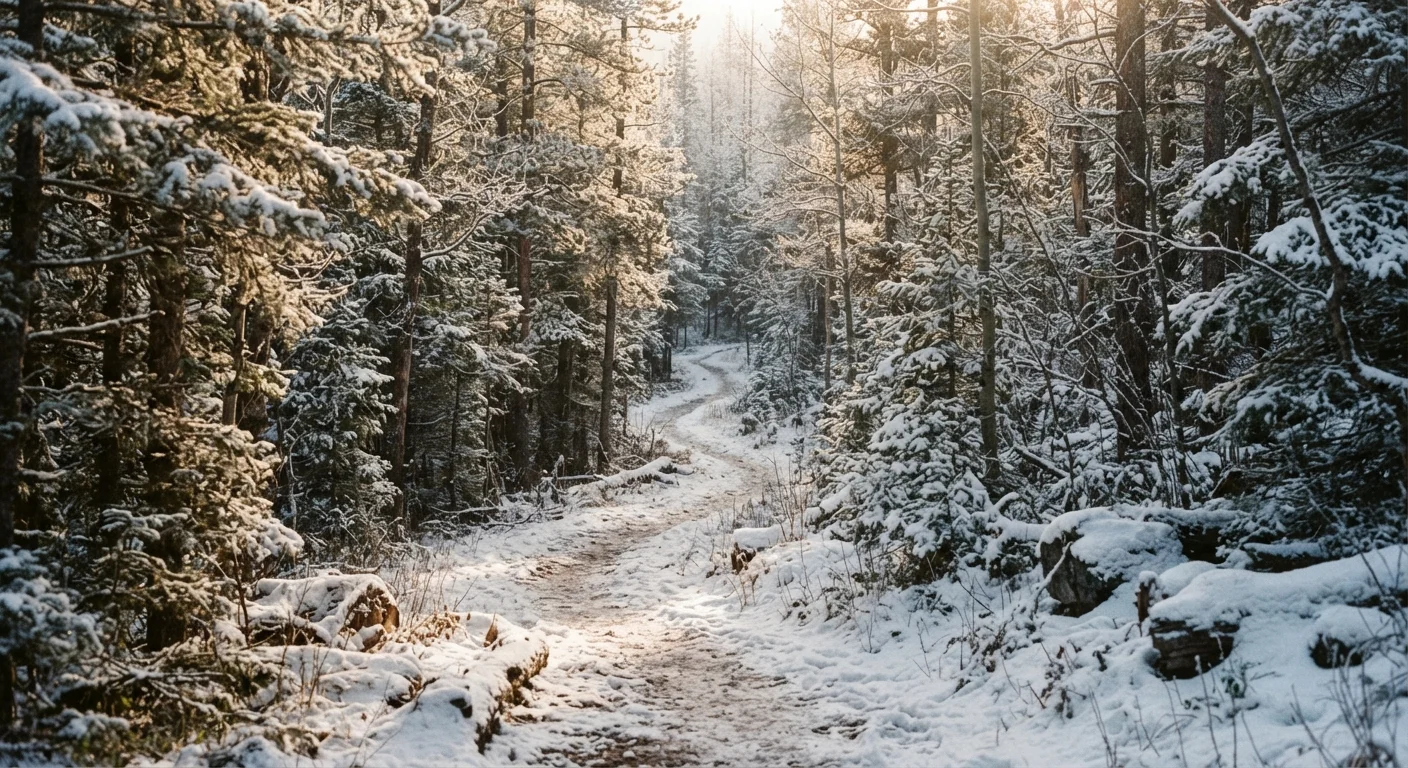
Snow, frost, fog, and bare trees create landscapes that are entirely different from summer's green canopy, and wildlife is often more visible with fewer human visitors.
Lower lodging costs in gateway towns
Hotels, cabins, and vacation rentals near popular parks typically drop in price outside peak months, sometimes substantially.
More authentic sense of wild space
Without crowds shaping every viewpoint and trailhead, the experience of being in a genuinely remote natural environment is much easier to access.
What Actually Closes - and It's More Than You'd Expect
The trade-off is real and worth understanding before you book. Many parks scale back significantly outside their main operating window. Visitor centers reduce hours or close entirely. Shuttle buses - essential for navigating congested parks like Zion or Acadia without a car - stop running. Certain roads close due to snow or maintenance: the Going-to-the-Sun Road at Glacier National Park is famously impassable for much of the year. Campgrounds operate on reduced capacity or close outright.
Lodges and in-park dining often shut down, pushing you toward gateway towns for accommodation - which can mean longer drives to trailheads each day. Cell service in most parks is limited even in peak season; off-season ranger patrols are less frequent, meaning self-rescue scenarios become more plausible. Before you go, check the specific park's NPS page for current seasonal closures. Don't assume last year's schedule holds.
Many facilities and services close entirely
Visitor centers, in-park lodges, park shuttles, and some campgrounds operate on reduced schedules or shut down completely outside peak season.
Key roads and trails may be inaccessible
High-elevation roads are frequently closed due to snow and ice for weeks or months at a time, blocking access to major scenic areas.
Weather hazards require real preparedness
Rapidly changing conditions, icy trails, and cold temperatures create genuine safety risks for visitors who underestimate the environment.
Fewer rangers means slower emergency response
Reduced staff in off-season means search-and-rescue response times are longer, making self-sufficiency more important than in summer.
Gear requirements add upfront cost
Cold-weather layering, traction devices, and waterproof equipment may be necessary investments that offset accommodation savings.
Weather Is the Variable That Rewrites Everything
Off-season weather in national parks isn't just cold - it's unpredictable and often severe. Desert parks like Joshua Tree and Capitol Reef can be pleasantly mild in winter, but mountain and high-altitude parks regularly experience snow, ice, and rapidly shifting conditions. A trail that's manageable on Monday may be genuinely dangerous by Wednesday. Hypothermia risk is real, especially for hikers who underestimate afternoon temperature drops or fail to pack rain gear.
That said, weather cuts both ways. The soft light of a winter afternoon on red rock formations, or fog settling into a valley at Shenandoah in October - these are images that summer visitors simply don't see. If you're willing to layer up and treat weather as part of the experience rather than a nuisance, the photography and atmosphere rewards can be significant.
Always Check Current Park Conditions
National Park Service road and facility status can change week to week in shoulder and off seasons. Before any off-season trip, check the specific park's official NPS page for current closures, weather alerts, and ranger station hours. Never rely on crowd-sourced itineraries from previous years - seasonal conditions vary significantly. Verify entry requirements and any permit rules directly with the park.
Costs and Logistics: Where You Save and Where You Don't
Entry fees at most national parks don't change by season - an America the Beautiful annual pass costs the same in January as in July, and individual park entry fees are fixed. Where you see real savings is in lodging: gateway town hotels and vacation rentals are often meaningfully cheaper outside peak months, and competition for campsites drops sharply. If you're flexible enough to plan a trip on shorter notice, off-peak timing often means skipping the six-month-out campsite reservation race entirely.
Gear costs, however, can go up. An off-season trip may require purchasing or renting equipment you don't own - microspikes, insulated layers, waterproof boots - that you wouldn't need in summer. Factor those costs in honestly before assuming an off-season trip is automatically cheaper. For newer visitors wondering what else parks require logistically, a grounded introduction to how parks actually work is worth reviewing first.
~330M
Annual US national park visits
According to the National Park Service, annual visitation across all units consistently reaches the hundreds of millions, with peak months accounting for a disproportionate share.
60-80%
Typical visitor drop at popular parks in winter
Parks like Zion and Grand Canyon see dramatic seasonal swings; winter months routinely attract a fraction of peak summer traffic.
The content on this site is for informational purposes only and is not a substitute for professional advice. Always consult a qualified professional for guidance specific to your situation.