

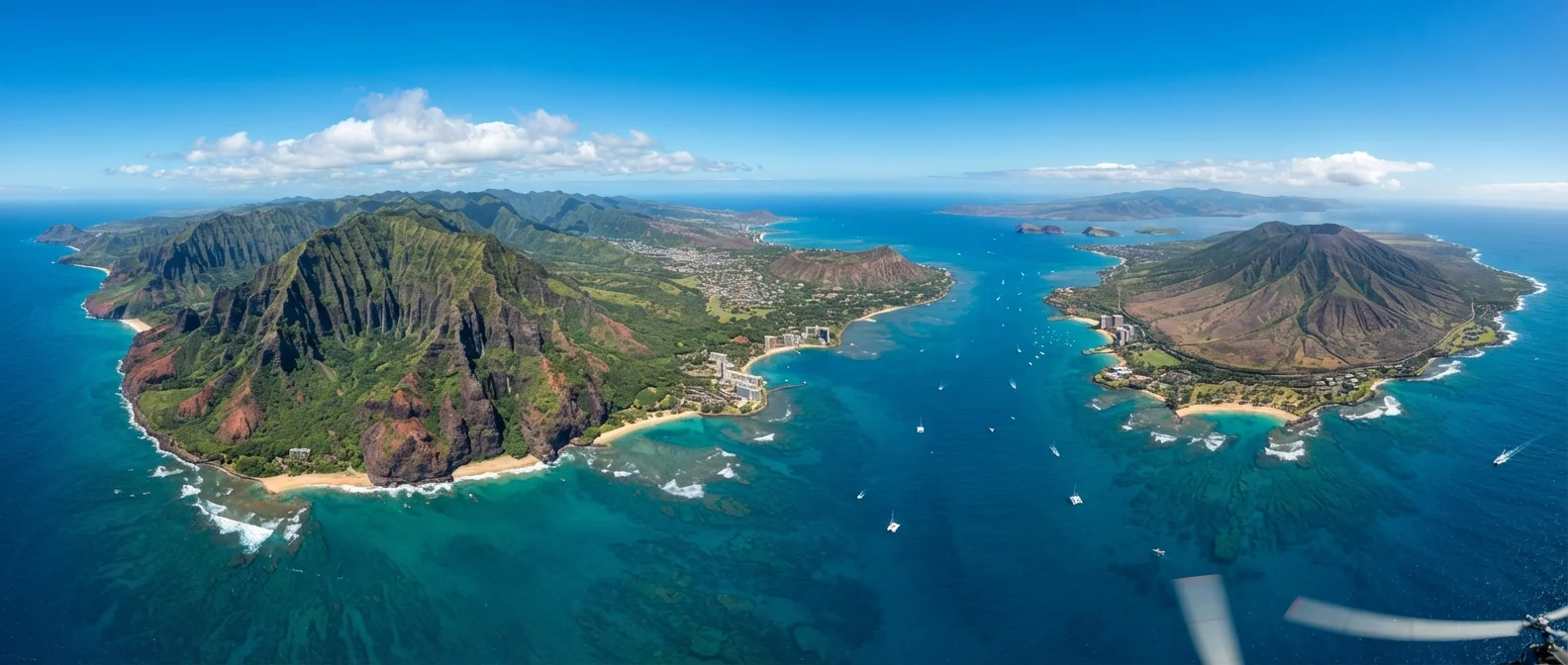
Our Verdict
No single Hawaiian island is objectively the best - each rewards a different kind of traveler. The most satisfied visitors are those who match the island's character to their actual priorities rather than chasing a generic postcard idea of Hawaii.
| Best for | Recommended |
|---|---|
| First-time visitors who want ease, variety, and vibrant culture | Oahu |
| Travelers seeking a balance of beach luxury and outdoor adventure | Maui |
| Those prioritizing dramatic scenery and a quieter, more remote feel | Kauai |
| Nature-focused travelers drawn to volcanoes, stargazing, and diverse ecosystems | The Big Island |
Why the Island You Choose Matters More Than You Think
Most people plan a trip to Hawaii as if it's a single destination. It isn't. Oahu, Maui, Kauai, and the Big Island are genuinely different places with distinct landscapes, crowds, costs, and rhythms. Picking the wrong one for your travel style can mean spending a week in bumper-to-bumper Waikiki traffic when you wanted solitude, or arriving on Kauai in shoulder season only to find your planned hike is closed due to rain.
That's not a complaint about any island - it's an argument for honest planning. The Travel Planning hub has broader frameworks for organizing trips, but for Hawaii specifically, island selection is the single most consequential decision you'll make. Everything else - hotels, activities, timing - follows from it.
| Oahu | Maui | Kauai | Big Island | |
|---|---|---|---|---|
| Crowd level | Very high | High | Moderate | Low to moderate |
| Flight access from mainland | Most options, lower fares | Good options | Fewer direct flights | Moderate options |
| Beach quality | Good, very crowded | Excellent resort beaches | Beautiful, some remote | Variable, fewer resort beaches |
| Outdoor/nature appeal | Moderate | High | Very high | Exceptional, unique |
| Cost level | High | Very high | High | Moderate to high |
| Best suited for | First-timers, families | All-around travelers | Scenery seekers | Nature and adventure travelers |
Oahu: Convenient, Cultural, and Crowded
Oahu is where Hawaii's infrastructure lives. Honolulu's Daniel K. Inouye International Airport receives the most direct mainland flights at generally lower fares than inter-island alternatives. Waikiki puts you within walking distance of beaches, restaurants, and historical sites like Pearl Harbor and Diamond Head. If you're traveling with people who have very different interests, Oahu's range makes it forgiving.
The honest downside: it's the most densely visited island by a wide margin. Traffic between Honolulu and the North Shore on a weekend can be genuinely exhausting. Many of Oahu's "hidden" beaches are well-documented online and attract large crowds. If you want to feel like you've escaped, you'll have to work harder here than on other islands.
Consider the North Shore for a Different Oahu
If Waikiki's density isn't your style, basing yourself on Oahu's North Shore gives a slower, more rural experience while still accessing the island's attractions. It requires a car and longer drives, but the tradeoff in atmosphere can be significant. Plan around traffic patterns - the Pali and H-3 highways can back up significantly on weekend afternoons.
Maui, Kauai, and the Big Island: What Each Actually Delivers
Maui is often described as the best all-around Hawaiian island, and there's genuine truth to that framing - with caveats. Resort areas like Wailea and Kaanapali offer polished beach experiences, while Haleakalā National Park and the Road to Hana add adventure and stunning scenery. The tradeoff is cost: Maui's resort infrastructure has pushed accommodation prices high, and it can feel more curated than wild.
Kauai is for people who accept certain constraints in exchange for drama. The Na Pali Coast is one of the most visually striking places in the US, and much of the island's interior feels genuinely remote. Fewer direct mainland flights mean higher fares and more complicated routing. Kauai also receives significant rainfall - particularly on the north shore - so weather flexibility matters more here. Consider how timing affects your trip: the peak vs. off-season tradeoffs apply with particular force on Kauai.
The Big Island is Hawaii's largest and most geologically active island. Active lava fields, Mauna Kea's world-class stargazing, coffee farms in Kona, and lush Waipio Valley exist within a few hours' drive of each other. What it lacks - relative to Maui or Oahu - is the kind of polished beach resort scene many visitors expect. If your Hawaii mental image centers on a pristine white-sand beach fronted by a luxury hotel, the Big Island may surprise you in ways you didn't plan for.
10,000+ sq mi
Total area of the Big Island
The Big Island is larger than all other Hawaiian islands combined, according to the USGS, which explains the dramatic variety of climates within a single island.
~5 million
Annual visitors to Oahu
Hawaii Tourism Authority data consistently shows Oahu receiving the largest share of the state's visitor arrivals, most concentrated in the Waikiki corridor.
Should You Visit More Than One Island?
Island-hopping is genuinely appealing - and genuinely complicated. Inter-island flights add expense and logistics, and shorter stays on each island often mean you've barely oriented yourself before you're repacking. A week split between two islands frequently leaves travelers feeling like they've sampled two places rather than experienced either one.
For multi-island itineraries, two weeks is a more honest minimum. If you're choosing between slow immersion and a broader overview, the decision framework in slow travel vs. multi-destination trips applies directly here. And whether you benefit more from a structured day-by-day plan or flexible open time depends heavily on which islands you're visiting - Kauai especially rewards itinerary flexibility given its weather variability.
The most grounded advice: choose one island whose character genuinely matches your priorities, go deep rather than wide on your first trip, and let a second visit justify a second island.
The content on this site is for informational purposes only and is not a substitute for professional advice. Always consult a qualified professional for guidance specific to your situation.