

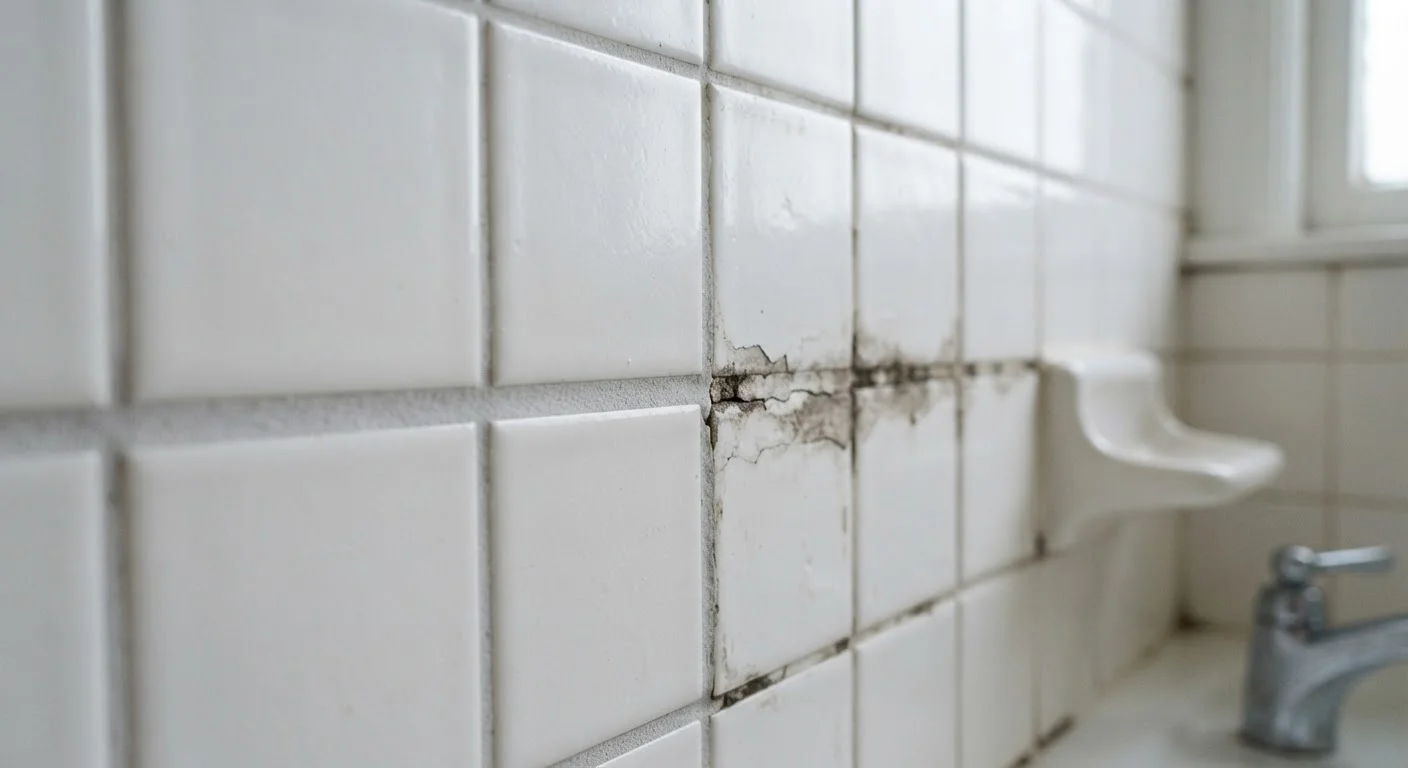
Why Grout Myths Cause Real Damage
Grout may look like a minor finishing detail, but it plays a structural role in tiled surfaces - holding tiles in alignment, preventing water from reaching the substrate, and absorbing small amounts of movement in a floor or wall. When homeowners act on misinformation, the consequences range from stubborn staining to full-scale tile removal and subfloor replacement.
Many grout myths are passed down through word of mouth or repeated on DIY forums without scrutiny. Some feel intuitively correct. Others persist simply because the damage they cause develops slowly, making the connection hard to spot. The myths below are among the most common - and the most damaging.
For a broader look at how misinformation affects home upkeep, see our guide to home maintenance myths that quietly harm properties.
Myth
Once grout is sealed, it's fully waterproof and needs no further attention.
Fact
Sealant reduces water absorption but does not create a waterproof barrier - and it degrades over time, requiring reapplication.
Penetrating grout sealers work by filling the pores of cement-based grout with a water-repellent compound. This slows moisture absorption but does not stop it entirely. Over time - often within one to three years - the sealer wears away from foot traffic, cleaning, and temperature changes. Grout left without a fresh coat of sealer becomes increasingly porous and vulnerable to mold growth and staining. Treating sealing as a one-time task is one of the most common reasons grout fails prematurely.
Myth
Bleach is the best product for cleaning and disinfecting grout.
Fact
Chlorine bleach can brighten grout temporarily, but repeated use degrades the cement binder and accelerates deterioration.
Undiluted or frequently applied bleach is alkaline at high concentration and oxidizing in nature, and prolonged exposure breaks down the binding agents in cement-based grout. The result is a surface that appears clean but becomes progressively more brittle and porous. For routine cleaning, a pH-neutral tile cleaner is far gentler and equally effective. For mold or staining, an oxygen-based cleaner (hydrogen peroxide-based rather than chlorine-based) is a safer deep-clean option. For more on why bleach is rarely the right tool for household surface problems, see our piece on maintenance myths that cost homeowners money.
Myth
Discolored grout always needs to be removed and replaced.
Fact
Most discoloration is surface-level and can be resolved with thorough cleaning and resealing, making full re-grouting unnecessary.
Re-grouting is labor-intensive and disruptive - it involves grinding out existing grout with a rotary tool or oscillating multitool, which carries a real risk of chipping tile edges if done carelessly. In many cases, grout that appears dark or stained is suffering from accumulated soap scum, hard water deposits, or mold on its surface, not structural failure. A dedicated grout cleaner, a stiff nylon brush, and a fresh application of sealer will restore most discolored grout to a close approximation of its original appearance. Reserve re-grouting for grout that is cracked, crumbling, or physically missing.
Myth
You can fill tiled corners and wall-to-floor joints with grout, just like the field joints.
Fact
Movement joints - corners, changes of plane, and tile-to-fixture borders - must be filled with flexible caulk, not rigid grout.
Buildings move: foundations settle, framing shifts with seasonal humidity, and temperature changes cause materials to expand and contract. Grout is a rigid material and cannot accommodate this movement. When applied to a corner or a joint where two surfaces meet at different planes, grout will crack - sometimes within weeks of application. That crack then becomes an entry point for water. The correct approach is to leave these joints free of grout and fill them with a flexible, waterproof caulk matched to the tile color. This is particularly critical in wet areas such as showers and around bathtubs. Our guide to common caulking mistakes covers the broader principles of sealing joints correctly.
Myth
Grout haze that appears after tiling can be wiped away with water.
Fact
Grout haze that has dried for more than an hour typically requires a purpose-made haze remover - water alone smears it further.
Grout haze is the thin film of grout residue left on tile faces after installation. When fresh (within 30-60 minutes of application), it can generally be removed with a damp sponge using a circular motion. Once it dries and cures, however, the minerals in the cement bond lightly to the tile surface. At that point, water redistributes the haze rather than lifting it. A diluted acidic haze remover (following the manufacturer's instructions carefully) is the correct tool. Note that acidic cleaners should never be used on natural stone tiles such as marble or limestone, which can be etched - always check the tile type before applying any cleaning product.
Sealing, Cleaning, and Re-Grouting: Getting the Basics Right
Even after separating myth from fact, it helps to understand what good grout maintenance actually looks like in practice.
1-3 years
Typical grout sealer lifespan
Most penetrating sealers on cement-based grout need reapplication every one to three years, depending on surface traffic and moisture exposure.
~70%
Bathroom water damage traced to failed seals
Industry estimates suggest the majority of water intrusion behind bathroom tiles originates at failed grout and caulk joints rather than tile faces themselves.
Sealing frequency matters. Most sanded and unsanded cement grouts benefit from resealing every one to three years depending on traffic and moisture exposure. Epoxy grout, by contrast, is non-porous and generally does not require sealing at all - applying sealant to it is unnecessary.
Cleaning should be gentle and consistent. A pH-neutral cleaner applied weekly prevents the buildup that leads homeowners to reach for harsh chemicals. Avoid vinegar, which is acidic enough to erode grout over time, and reserve oxygen-based (non-chlorine) cleaners for occasional deep cleans rather than routine use.
Know when re-grouting is genuinely needed. Crumbling, cracked, or deeply pitted grout that no longer holds its shape requires removal and replacement. Grout that is merely discolored, however, usually does not. A combination of cleaning and resealing will often restore its appearance without the cost or disruption of re-grouting.
Corners and the joint between tiled walls and a bathtub or shower base are a special case: these joints move as the building settles and as temperature fluctuations cause expansion. Grout is rigid and will crack here. The correct material is flexible caulk. Our article on when and where to apply caulk correctly explains how to handle these joints, and if you're unsure about the difference between caulk and sealant products, this comparison is worth reading before you start.
Re-Grouting Can Damage Tiles If Done Incorrectly
Removing old grout with a rotary tool or oscillating multitool requires a steady hand and the correct grout-removal bit. An unsteady pass can chip or crack tile edges, turning a cosmetic repair into a tile replacement job. If you are not confident using these tools, or if your tiles are natural stone or particularly thin, consider consulting a professional tiler before proceeding.
The content on this site is for informational purposes only and is not a substitute for professional advice. Always consult a qualified professional for guidance specific to your situation.