

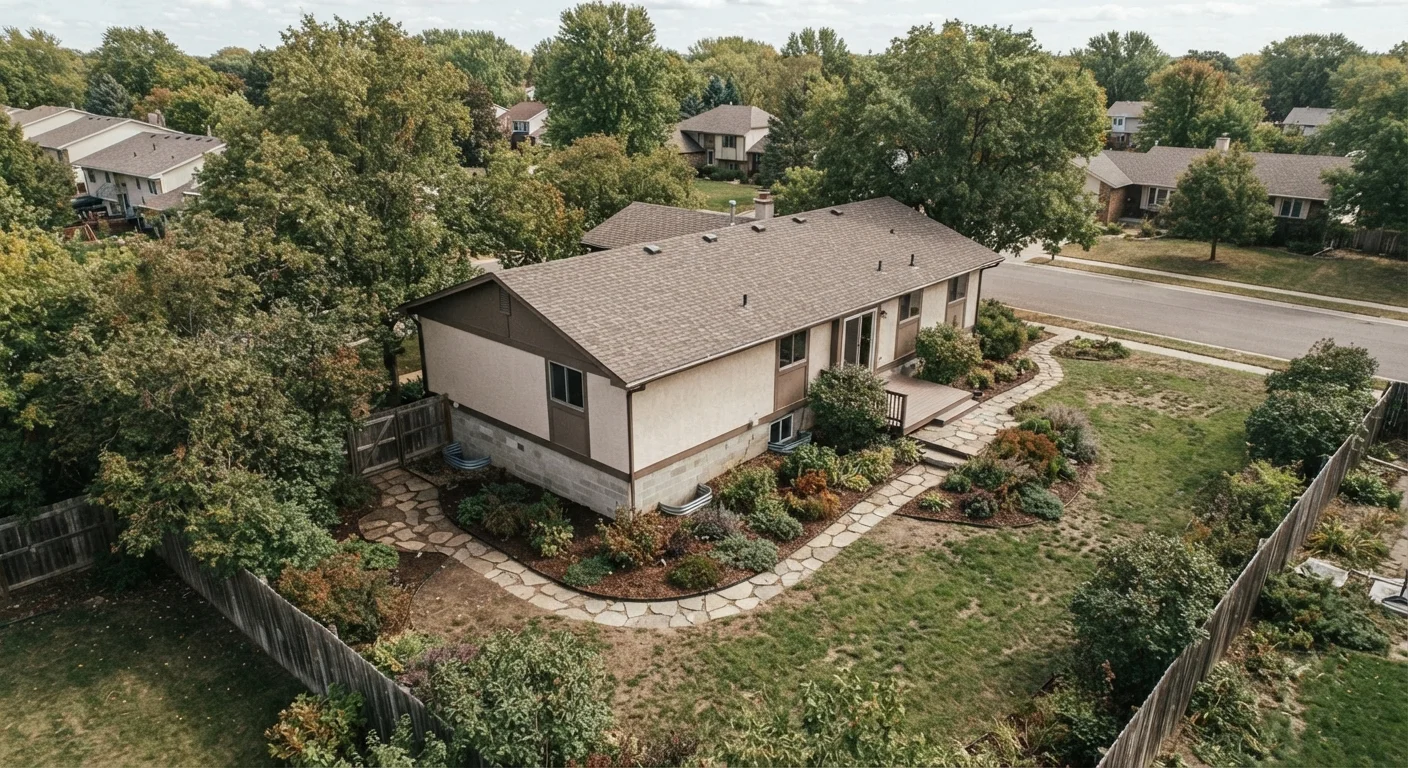
Why the Garden-to-House Boundary Deserves More Attention
Most homeowners think carefully about what goes in their garden, but far fewer consider how those choices interact with the house itself. The zone where landscaping meets structure - typically the first 3-6 feet from the foundation - is where small decisions can compound into serious, expensive problems.
Moisture intrusion, root penetration, compromised drainage, and even structural movement can all trace their origins to landscaping choices that seemed harmless at planting time. Understanding the risks before you plant or pave is the most cost-effective form of home protection available. For a broader view of how outdoor maintenance protects your home, see our guidance on the impact of neglected gutters - a closely related risk zone.
When to Call a Professional
If you notice cracks in your foundation wall, doors or windows that no longer close properly, or persistent water intrusion in a basement or crawlspace, these can be signs of structural movement that goes beyond a DIY fix. A licensed structural engineer or foundation specialist should assess any active or suspected structural issues before landscaping changes are made. Permits may also be required for significant regrading or drainage work - check with your local building authority.
Best Practices for Protecting Your Foundation Through Smart Landscaping
The following practices reflect what structural engineers, arborists, and building professionals consistently recommend for homeowners navigating the overlap between garden design and home maintenance.
Maintain a grading slope that directs water away from the foundation
Flat or inward-sloping ground channels rainwater and irrigation runoff directly against the foundation. Over time, this moisture infiltration can weaken concrete, promote mold growth in crawlspaces, and cause soil expansion and contraction that shifts the structure. The general guideline from building professionals is a drop of at least 6 inches over the first 10 feet away from the house.
Keep large trees at a distance proportional to their mature root spread
Tree roots can extend well beyond the drip line of the canopy, seeking moisture wherever it's available - including near a foundation or alongside drainage pipes. Clay soils amplify this risk because roots cause the soil to shrink and swell seasonally, transmitting movement to the structure above.
Leave a clear gap between mulch or soil and your siding or foundation material
Mulch and dense plantings piled against siding create persistent moisture contact that accelerates wood rot, promotes pest entry, and conceals early signs of foundation cracking. Most builders recommend keeping mulch and soil at least 6 inches below the sill plate or the top of the foundation wall.
Avoid hard paving that seals against the foundation without adequate drainage
Concrete patios and pavers installed flush against the house with no expansion gap or drainage outlet trap water at the base of the foundation. Freeze-thaw cycles then force that moisture into hairline cracks, widening them season by season.
Monitor irrigation patterns so water doesn't saturate foundation-adjacent soil
Overwatering garden beds near the house is one of the most common and overlooked sources of foundation moisture. Drip irrigation concentrated in one spot can create persistent wet zones that promote soil expansion, root growth, and basement seepage. Our article on watering habits that do more harm than good covers this in practical detail.
Remove or manage invasive and self-seeding plants before they reach the structure
Vines such as English ivy and Virginia creeper, while visually appealing, can work roots into mortar joints and retain moisture against masonry. Left unchecked, they compromise the exterior wall surface and create entry points for insects and water.
Quick Actions You Can Take This Weekend
You don't need a full landscape redesign to reduce your risk. Several small interventions can make a meaningful difference in protecting your home's structure right now.
Choosing Plants That Work With - Not Against - Your Home
Plant selection is one of the most underrated aspects of foundation protection. Aggressive-rooting species such as willows, silver maples, and bamboo are well-documented for disrupting underground infrastructure and foundations, particularly in clay-heavy soils where roots follow moisture gradients toward the building.
Shallow-rooted ornamentals, compact shrubs, and native groundcovers are generally safer choices within 5-8 feet of the structure. Native species adapted to your region often require less irrigation near the house, reducing one of the primary drivers of foundation moisture. Our article on native plants and their trade-offs covers selection considerations in depth.
When planning beds close to the house, also consider maintenance access: dense plantings that prevent you from inspecting the foundation wall, soffits, or lower siding create blind spots where damage goes undetected. Our guide to low-maintenance garden design outlines layout principles that keep upkeep manageable without sacrificing coverage.
~25%
Foundation damage cases linked to tree roots or vegetation
Structural engineers and insurance adjusters frequently cite vegetation as a contributing factor in a significant share of residential foundation claims, particularly in expansive clay soils.
6 in.
Recommended soil clearance below siding
Building industry standards and many local codes call for at least 6 inches of clearance between finish grade and wood-based siding or framing to prevent moisture contact and pest intrusion.
This article provides general home and garden information for educational purposes. For structural concerns, drainage issues, or significant landscape modifications near your foundation, consult a licensed contractor, structural engineer, or arborist as appropriate.
The content on this site is for informational purposes only and is not a substitute for professional advice. Always consult a qualified professional for guidance specific to your situation.