

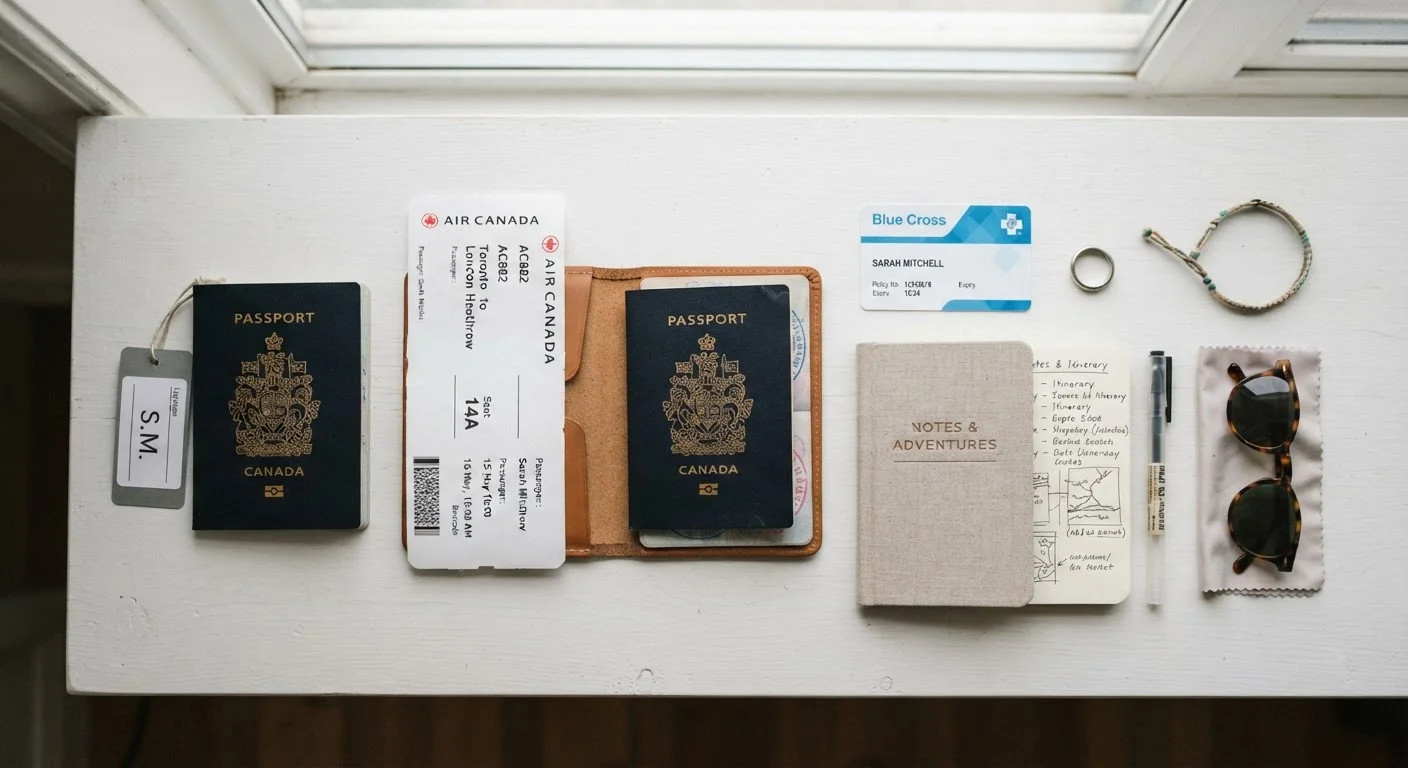
Why Your Document Prep Matters More Than You Think
Most travel problems are inconvenient. A handful are genuinely serious - a lost passport in a country where you don't speak the language, a medical emergency where no one knows your blood type or insurance details, or a missed connection that unravels an entire itinerary. In each of those scenarios, the difference between a stressful afternoon and a multi-day crisis often comes down to one thing: whether you prepared your documents before you left home.
This guide is a quick-reference checklist of the contacts and documents worth having on every trip - domestic or international, short or long. A broader pre-trip safety checklist can help you layer these steps into your full departure routine.
| Documents to carry in original form | Passport, visa/entry authorization, travel insurance card |
| Documents sufficient as copies | Prescription records, emergency contact list, itinerary |
| US travelers abroad: key program | STEP (Smart Traveler Enrollment Program) via US Dept. of State (US Department of State) |
| Backup copies: recommended locations | Checked bag, secure cloud folder, email to a trusted contact |
| Emergency number varies by country | 911 does not work universally - look up local number before departure |
The Core Documents: What to Carry and What to Copy
For any international trip, your passport is the foundation. Beyond that, certain documents are worth carrying in their original form, while others are just as valuable as photocopies or digital scans stored securely. Here's how to think about each category:
- Passport: Carry the original. Keep a photocopy in your checked bag and a scanned copy in a secure cloud folder (not just your phone's camera roll). Entry document requirements vary by destination - check them well in advance.
- Visa or entry authorization: Print it out even if it's electronic. Border officials sometimes ask to see a physical copy, and spotty airport Wi-Fi is a real risk.
- Travel insurance card: Know your policy number and the 24-hour emergency assistance line. Many policies require you to call before seeking non-emergency treatment abroad.
- Prescription documentation: If you carry medications, bring a copy of the original prescription in the generic drug name. Traveling with medications involves specific customs considerations worth reviewing.
- Emergency contact list: A printed card with the names, relationships, and phone numbers of two trusted contacts at home - in case your phone is lost or stolen.
STEP
The Smart Traveler Enrollment Program, a free service from the US Department of State that lets American citizens traveling or living abroad register with the nearest embassy or consulate. It enables the embassy to contact you in an emergency and share safety updates.
Travel insurance emergency line
A dedicated 24-hour phone line provided by travel insurers for urgent assistance abroad - separate from general customer service. It typically connects you to a coordinator who can help manage medical referrals, evacuations, or claims in real time.
Entry authorization
An electronic or paper document - such as an ESTA, eTA, or eVisa - that grants pre-approval to enter a country, separate from a visa stamp. Rules about carrying a printed copy vary by destination and border official.
Generic drug name
The non-brand chemical name for a medication (e.g., ibuprofen rather than Advil). Using generic names on prescription documentation helps foreign pharmacists and medical staff identify your medication regardless of brand availability in that country.
Emergency Numbers Worth Knowing Before You Land
Local emergency numbers vary by country, and 911 does not work everywhere. Before departure, look up the general emergency number for your destination and note it somewhere offline - the back of your itinerary printout works well.
Beyond the local emergency line, three numbers carry particular weight for US travelers abroad:
- Nearest US Embassy or Consulate: The US Department of State's website lists contact numbers by country. In cases of arrest, serious injury, or passport loss, the embassy is your first official point of contact. You can also enroll in the STEP program before departure so the embassy knows you're in-country.
- Your travel insurance emergency line: This is separate from the general customer service number. It's often printed on the back of your insurance card and operates around the clock.
- Your bank's international collect number: Distinct from the domestic toll-free line, this is what you call if your card is compromised overseas.
A guide to key pre-departure numbers covers these categories in fuller detail, including standard document validity windows worth knowing.
Medical Information: A Small Card That Carries Big Weight
Consider carrying a small card in your wallet listing your blood type, any known allergies, and current medications. In a medical emergency abroad where you're unable to communicate, this information can help local providers make faster, safer decisions. This is general guidance - consult your healthcare provider about what information is most relevant to your situation. For broader guidance, see navigating medical emergencies abroad.
If you're traveling as part of a group or family, designate one person to hold backup copies of everyone's documents. If things go sideways, having centralized records can save hours. For what to do once something has gone wrong, this step-by-step breakdown of common travel crises is worth bookmarking.
Digital Backups: How to Store Sensitive Documents Safely
Storing document scans digitally adds a meaningful safety net - but how you store them matters. Emailing files to yourself is a common approach, but a dedicated secure option is more reliable. Consider a password-protected folder in a cloud storage service you can access from any browser, or a travel-specific app that stores documents offline.
Key items worth scanning and storing digitally include: the photo page of your passport, your travel insurance policy summary, your itinerary and hotel confirmations, emergency contacts, and your health insurance card. Avoid storing documents in a publicly accessible format or a shared account.
This pre-departure checklist includes digital backup steps alongside other commonly overlooked logistics. First-time international travelers may also find this introduction to international travel a useful companion read.
This article provides general travel preparation information and is not a substitute for official guidance. Always verify entry requirements, visa rules, and emergency contact details with official government and service-provider sources before traveling.
The content on this site is for informational purposes only and is not a substitute for professional advice. Always consult a qualified professional for guidance specific to your situation.