

Our Verdict
Rising damp, penetrating damp, and condensation are three genuinely different problems that share only the symptom of unwanted moisture. Correctly identifying which type you are dealing with - before spending money on remediation - is the single most important step. Condensation can often be managed with ventilation changes; penetrating damp and rising damp typically require professional assessment and structural repairs.
| Best for | Recommended |
|---|---|
| Homeowners seeing low wall staining and peeling skirting boards | Rising damp investigation |
| Those noticing damp patches appearing only after heavy rain | Penetrating damp checks |
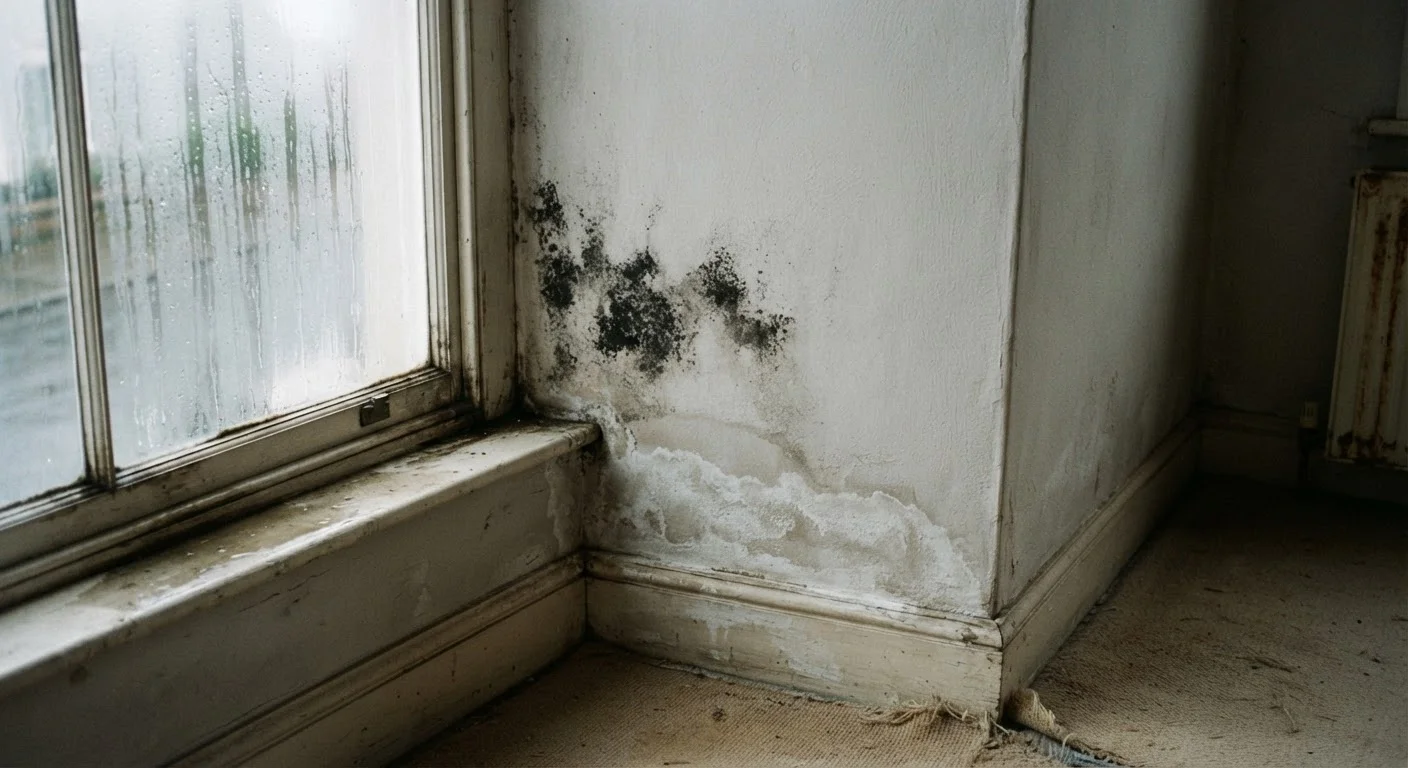
| Households with mould on cold surfaces like windows and external walls | Condensation management and ventilation improvements |
Why Getting the Diagnosis Right Matters
A damp patch on a wall can mean three very different things, and the remedy for one type will do nothing - or even make things worse - if applied to another. Homeowners who apply anti-mould paint over a rising damp problem, for example, may simply trap moisture inside the wall, accelerating decay behind the surface.
The good news is that each type has recognisable patterns. Once you know what to look for, you can narrow down the likely cause before calling in a professional or attempting any repair. For a closer look at how wall damp and condensation compare specifically, see our guide on understanding the difference between damp walls and condensation.
| Rising Damp | Penetrating Damp | Condensation | |
|---|---|---|---|
| Direction of travel | Upward from ground | Horizontal from outside | Surface (indoor air) |
| Typical location | Base of walls, up to 1m | Any external wall or roof | Cold surfaces, windows, corners |
| Key visual clue | Tidemark, efflorescence | Patches after rainfall | Mould on cold spots |
| Weather dependent? | No | Yes, worsens in rain | Yes, worsens in winter |
| Primary fix | Repair damp-proof course | Seal entry point (pointing, roof, windows) | Improve ventilation, reduce humidity |
| DIY-friendly? | Rarely - needs specialist | Partially (gutters, caulking) | Often yes |
Rising Damp: Ground Moisture Climbing Your Walls
Rising damp occurs when moisture from the ground is drawn upward through masonry by capillary action - the same process that pulls water through a paper towel. It is limited by physics: water cannot rise much above 1 metre (roughly 3 feet) in a typical wall, which is why rising damp almost always produces a distinct tidemark at that height.
Other indicators include:
- White powdery deposits called efflorescence - salts left behind as moisture evaporates
- Peeling wallpaper or paint at low levels
- Damage concentrated near the base of walls, especially around skirting boards
- Problems that persist regardless of weather
Rising damp usually points to a failed or missing damp-proof course (DPC) - the waterproof barrier built into walls just above ground level. Repairing or installing a DPC is not a DIY task; it requires a qualified specialist. Before engaging anyone, it is worth getting more than one assessment, as this work is sometimes oversold. You may also want to review signs your home's waterproofing is failing for related red flags.
Penetrating Damp: Water Coming In from Outside
Penetrating damp enters a building horizontally - through walls, around windows, or via a roof. Unlike rising damp, it is directly tied to rainfall and weather exposure. A damp patch that appears or grows after a heavy storm is a strong indicator.
Common entry points include cracked or missing mortar (pointing), failed window seals, blocked gutters that allow water to overflow against the wall, and damaged roof flashings. In older properties, solid masonry walls without a cavity can become saturated enough to allow moisture to push all the way through.
Check Gutters and Downspouts First
Before investigating masonry or roofing, inspect your gutters. Blocked or overflowing gutters are among the most common causes of penetrating damp and are straightforward to clear. A gutter that constantly spills water against a wall will eventually saturate even sound brickwork. Cleaning gutters twice a year - typically in late spring and late autumn - is a low-cost preventive measure.
Fixing penetrating damp means addressing the specific entry point. This could range from repointing brickwork and clearing gutters - tasks many homeowners can tackle - to replacing roof flashings or resealing window frames, which may need a roofer or joiner. Our article on caulking and weatherstripping covers how to seal gaps around windows and doors effectively.
Condensation: The Most Common Culprit
Condensation forms when warm, moisture-laden air meets a cold surface and the water vapour it carries turns to liquid. It is the leading cause of mould in US and UK homes alike, and it is especially prevalent in cooler months when indoor heating raises humidity while outdoor temperatures chill walls and windows.
Signs that point to condensation rather than structural damp:
- Mould or moisture concentrated on cold spots - window frames, external corners, north-facing walls
- Problems that worsen in winter or after cooking and bathing
- Moisture appearing on the surface of walls rather than seeming to come from within
- Absence of a tidemark or efflorescence
The fix is almost always improved ventilation and reduced indoor humidity. Extractor fans in kitchens and bathrooms, trickle vents on windows, and habits like covering pots while cooking all help. For a thorough overview of how airflow affects moisture management throughout the home, see our guide on why ventilation is a maintenance priority. Roof spaces deserve particular attention - our article on ventilation, insulation, and damp in your roof space explains why balance there matters too.
If mould has already spread onto drywall or plaster, the underlying moisture problem must be resolved first. Surface cleaning alone will not prevent regrowth. In cases of significant mould coverage, consult a professional, particularly if anyone in the home has respiratory sensitivities.
This article provides general home maintenance information only. For significant structural issues or health concerns related to mould exposure, consult a qualified professional.
The content on this site is for informational purposes only and is not a substitute for professional advice. Always consult a qualified professional for guidance specific to your situation.