

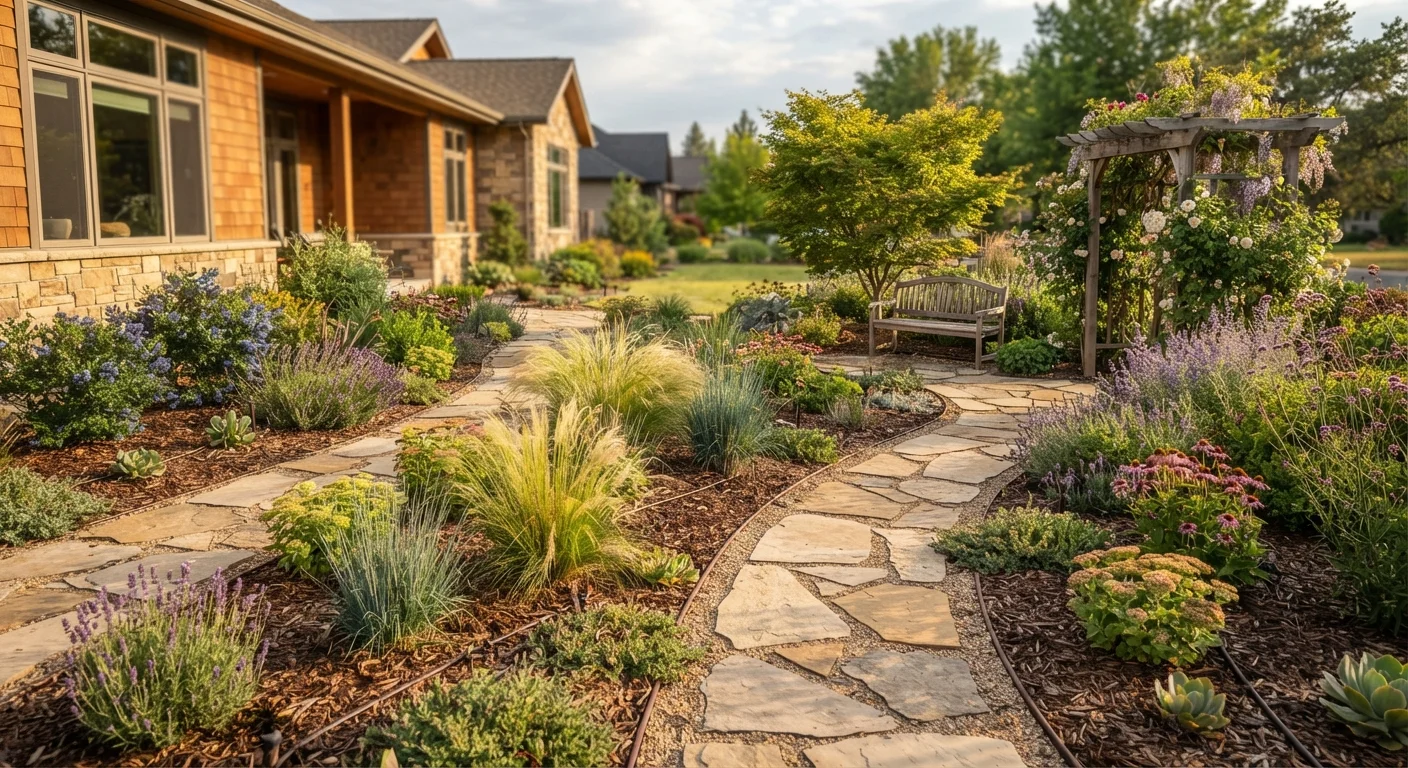
Start With the Right Plants for Your Conditions
The single biggest driver of garden maintenance is plant mismatch. When a plant is fighting your soil, climate, or light conditions, it demands constant attention just to survive. Before selecting any plant, spend time observing your space: note where sun and shade fall at different times of day, whether drainage is slow or fast, and how harsh your winters typically get.
Perennials suited to your region will return year after year with minimal intervention, whereas tender annuals need replanting each season. Native plants - species indigenous to your local ecosystem - are especially worth considering. They've adapted to regional rainfall patterns and soil chemistry, so they typically need less watering and fertilizing once established. That said, even native plants can struggle if placed in the wrong microclimate within your yard, so site selection still matters.
Test Your Soil Before You Plant
A basic soil test - available through many university extension services - tells you your soil's pH and nutrient levels. This takes the guesswork out of fertilizing and helps you select plants most likely to thrive without amendments. Most extension programs offer testing at low or no cost.
Design for Simplicity From the Start
A garden's layout determines how easy it is to maintain for years to come. Irregular, free-form bed shapes may look natural, but they create awkward mowing edges and unpredictable growth boundaries. Simple, geometric, or gently curved beds with defined borders - whether edging stone, metal strip, or a clean spade-cut line - are significantly easier to manage over time.
Reducing total lawn area can also lower overall maintenance. Lawn requires regular mowing, fertilizing, watering, and aeration. Replacing sections with ground cover plants, gravel, or low-growing perennials can cut those demands considerably. If you're rethinking your outdoor space more broadly, design principles that actually work offer a helpful framework for the decision-making process.
~30%
Reduction in outdoor water use with hydrozoning
Water efficiency research from various US cooperative extension services suggests grouping plants by water need can meaningfully reduce irrigation demand in home gardens.
50-80%
Fewer weeds reported with consistent mulching
Horticultural guidance from university extension programs consistently notes that adequate mulch depth dramatically reduces weed emergence in landscape beds.
Use Mulch Strategically
A 2-3 inch layer of organic mulch - shredded bark, wood chips, or composted leaves - does heavy lifting in any low-maintenance garden. It suppresses weed germination, retains soil moisture so you water less frequently, and gradually improves soil structure as it breaks down. Applying mulch in spring and refreshing it lightly in autumn is one of the highest-return tasks a gardener can do.
Avoid piling mulch directly against plant stems or tree trunks, as this can cause rot and invite pests. Keep a small gap around the base of each plant. Many gardeners also fall for well-intentioned habits that backfire - garden myths that waste time and effort explores several common missteps worth knowing before you commit to a routine.
Organic vs. Inorganic Mulch: A Quick Note
Organic mulches like bark, wood chips, and straw break down over time and improve soil health, but they need replenishing. Inorganic options like gravel or landscape fabric suppress weeds longer but don't feed the soil and can complicate replanting. Neither is universally better - the right choice depends on your bed type and how often you want to replant.
Water Wisely and Group Plants Thoughtfully
Watering is one of the most time-consuming garden tasks, and poor habits make it worse. Grouping plants with similar water needs together - a practice sometimes called hydrozoning - means you can water efficiently without over-irrigating drought-tolerant species or neglecting thirstier ones. This also makes installing a simple drip irrigation system or soaker hose far more practical.
Deep, infrequent watering encourages roots to grow deeper, making plants more resilient during dry spells. Shallow, frequent watering does the opposite and can lead to weaker plants that need more intervention. If you have established lawn alongside beds, watering habits that do more harm than good explains the specific pitfalls to avoid.
Think Long-Term: Maintenance Still Exists
Low-maintenance does not mean no-maintenance. Every garden requires some seasonal attention - pruning, dividing overgrown clumps, refreshing mulch, and pulling the occasional weed that breaks through. What a well-designed garden does is reduce how often those tasks arise and how physically demanding they are when they do.
Planning with the future in mind - accounting for a plant's mature size, its spreading habit, and its compatibility with neighbours - prevents the most common scenario where a once-manageable garden becomes overwhelming. A garden designed for your actual time and energy is also an investment in your home's exterior appeal. For a broader look at how outdoor upkeep connects to structural care, see keeping your home's exterior in good shape.
“The best garden is one that fits the gardener's life - not a garden the gardener must reshape their life to fit.”
— Erin Hynes, Author and horticulturist, known for writing on low-effort gardening approaches
The content on this site is for informational purposes only and is not a substitute for professional advice. Always consult a qualified professional for guidance specific to your situation.