

Our Verdict
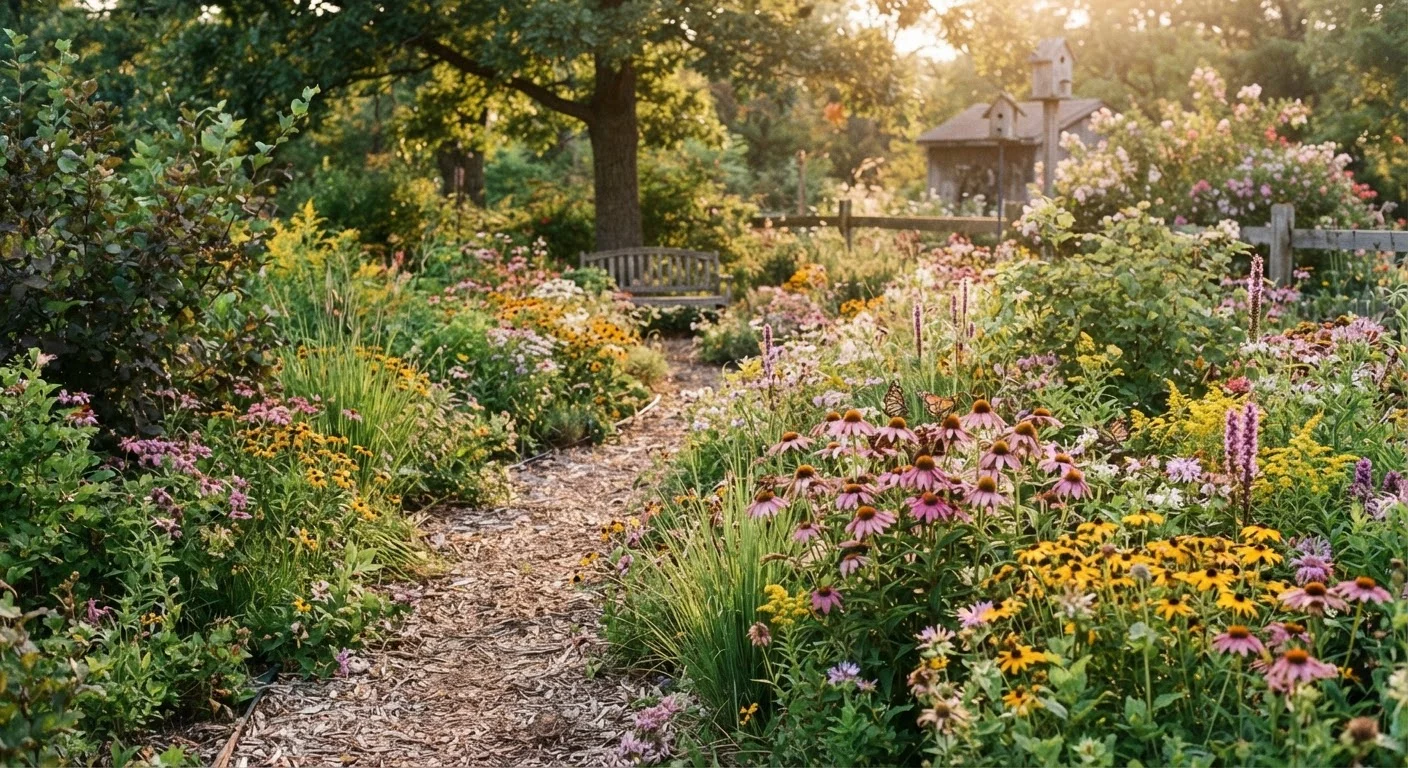
Native plants offer genuine ecological and practical benefits - particularly lower long-term maintenance, reduced chemical inputs, and meaningful support for local wildlife. However, they require careful selection, patient establishment, and sourcing diligence to deliver on those promises. The trade-offs are real but manageable with the right expectations.
Gardeners who prioritize ecological impact and long-term sustainability over a manicured, highly controlled aesthetic will get the most out of a native plant garden.
What 'Native Plant' Actually Means
A native plant is one that occurred naturally in a specific region before European settlement - not simply a plant that grows well locally or has naturalized over time. This distinction matters. A plant described as native to "North America" may be native to the Pacific Northwest but entirely foreign to the Mid-Atlantic. When shopping for natives, look for plants identified as native to your specific state or ecoregion, not just the continent.
Many gardeners are surprised to learn how regionally specific nativity can be. A prairie wildflower native to Illinois may struggle in Georgia's clay-heavy soils, even though both locations are within the US. Cross-referencing with your local Cooperative Extension office or a regional native plant society is one of the most reliable ways to identify plants genuinely suited to your area.
Cultivars vs. Straight Species
Many nurseries sell cultivated varieties (cultivars) of native plants - for example, a coneflower bred for a specific color or compact form. While these may look similar to straight species, some research suggests they can have lower pollen quality or produce fewer seeds, reducing their value to native bees and birds. Where possible, seek out straight species rather than cultivars, especially for plants you're growing primarily for wildlife support.
The Real Advantages of Going Native
The strongest case for native plants is ecological. Because they co-evolved with local insects, birds, and soil organisms, they support food webs that imported ornamentals simply cannot replicate. Research by entomologist Doug Tallamy and colleagues has highlighted that native oaks, for example, support hundreds of caterpillar species - a critical food source for nesting birds - while many non-native trees support far fewer.
Supports local pollinators and wildlife effectively
Native plants have co-evolved with regional insects and birds, making them far more valuable as habitat than most exotic ornamentals. Even a small planting can provide nesting material, larval food, and nectar for species under pressure.
Lower water needs once established
Because native plants are adapted to local rainfall patterns, they typically need little to no supplemental irrigation after the first few seasons. This can translate to meaningful savings in time and water use over the long term.
Reduced need for fertilizers and pesticides
Natives are adapted to local soil conditions and generally resistant to regional pests, reducing the need for chemical inputs. This benefits both the gardener and the surrounding ecosystem.
Contributes to regional biodiversity
Planting natives helps maintain the genetic and species diversity of local plant communities. Even urban and suburban gardens can serve as meaningful wildlife corridors when planted thoughtfully.
Can improve soil health over time
Deep-rooted native perennials and grasses build organic matter and improve soil structure without tilling. This supports beneficial soil organisms and can reduce erosion on slopes.
Beyond wildlife value, natives can meaningfully reduce garden maintenance once established. Their root systems are adapted to local rainfall patterns, which typically means less supplemental irrigation. They also tend to resist local pests and diseases without the need for chemical intervention. For gardeners interested in designing a low-maintenance garden, natives are one of the most evidence-backed tools available.
14x
More caterpillar species supported by native oaks
Research associated with entomologist Doug Tallamy's work suggests native oaks can support dramatically more caterpillar species than many commonly planted non-native trees.
~30%
Estimated reduction in outdoor water use with native plants
The EPA's WaterSense program has noted that replacing thirsty turf and non-native plantings with regionally adapted natives and drought-tolerant plants can significantly cut landscape water use.
Honest Limitations Worth Knowing
Native plants are not a set-it-and-forget-it solution. The establishment phase - generally the first one to three growing seasons - can be demanding. Young native plants often need consistent watering and weeding until their root systems are deep enough to access moisture independently. Impatient gardeners sometimes abandon natives during this window, concluding incorrectly that they've failed.
Establishment phase requires patience and attention
Most native plants need consistent care during their first one to three growing seasons before they become self-sufficient. Watering and weed management during this window are essential and often underestimated.
Sourcing true natives is genuinely difficult
Mislabeling in the nursery trade is common, and many plants marketed as 'native' are cultivars with reduced ecological value. Identifying reputable suppliers takes research and varies widely by region.
Aesthetic may conflict with neighborhood norms
Native meadow plantings can appear informal or untended to neighbors and HOAs accustomed to conventional lawns. This can create social friction or, in some areas, conflict with local ordinances.
Regional specificity limits plant selection
A plant native to one part of the US may be entirely wrong for another region. Narrowing choices to genuinely local natives can feel restrictive, especially for gardeners used to a wide ornamental palette.
Limited availability in many areas
Native plant nurseries are less widespread than conventional garden centers, and seasonal availability can be unpredictable. Mail-order options exist but add cost and logistical complexity.
Sourcing is another genuine challenge. The native plant market is less standardized than the broader nursery trade, and mislabeling is common. Plants sold as "native" are sometimes cultivars (cultivated varieties) that may have reduced ecological value compared to straight species - particularly for pollen and seed production. Seeking out reputable native plant nurseries or local plant swaps can help, though availability varies significantly by region.
Aesthetic expectations also require adjustment. Native meadow-style gardens can look unmaintained to neighbors accustomed to conventional lawns. In neighborhoods with strict HOA guidelines or municipal codes governing vegetation height, this can become a practical issue. Thoughtful design - defined borders, visible structure, and strategic placement of showier natives - can help bridge that gap. See also our guide to ground cover plants for natives that work well as low-growing, tidy fillers.
Making Natives Work in a Real Garden
The most successful native gardens tend to blend ecological intent with practical design. Grouping plants by water and light needs, layering heights from ground covers to shrubs to canopy trees, and leaving some leaf litter for overwintering insects are all practices that amplify ecological benefit. Companion planting principles apply here too - certain native combinations naturally support one another in terms of pest resistance and soil health.
It's also worth considering how planting choices interact with your home's structure. Larger native trees and aggressive-rooted shrubs placed too close to foundations can cause problems over time. Our guide to garden-to-house boundaries outlines the distances and plant types to be mindful of before you establish a new bed.
For most gardeners, a hybrid approach works well: anchor beds with native species that anchor pollinator and wildlife value, and fill gaps with non-invasive, well-behaved non-natives where needed. Perfection isn't the goal - every native plant added to a garden meaningfully expands its ecological footprint.
The content on this site is for informational purposes only and is not a substitute for professional advice. Always consult a qualified professional for guidance specific to your situation.